
A solar and roof replacement project is one of the bigger decisions a homeowner can make, and the timing question tends to show up right when the weather turns. In San Diego, that moment often arrives with a stained ceiling corner or a roofer telling you the shingles are close to done.
Suddenly the forecast feels personal. This guide walks through when bundling the two projects makes sense, what the process really looks like, and how to decide without feeling rushed.
Which Kind of Homeowner Are You Right Now?
Most people asking this question fall into one of three camps. Knowing yours makes everything that follows much simpler.
- The patch-and-pray homeowner. You might be someone who has called a roofer more than once. Small leaks keep coming back, and you have held off on solar because you don't want panels on a roof you will replace soon.
- The solar-ready planner. Your roof is fine for now, but you know it will need attention during the life of a solar system. You would rather not pay to remove and reinstall panels later.
- The bill watcher. Your roof seems solid. Your real frustration is the electric bill, especially in summer when the AC runs hard in inland neighborhoods like Escondido.
Homeowners in Chula Vista and Oceanside land in all three groups. One team handling the roof and energy system together is the idea behind Sunline Energy's in-house roofing, solar, and electrical work.
This matters because each group needs a different plan.
Matching Your Roof Condition to the Right Solar Plan
Here's the thing: the roof under a solar array has to keep pace with the panels on top of it. So the roof's remaining life usually drives the plan.
| If You're This Homeowner | Consider This | Why It Fits |
|---|---|---|
| Aging roof, recurring leaks | Roof replacement and solar as one project | One plan, one point of accountability, no panel removal later |
| Roof in fair shape | Roof inspection before solar design | Confirms the roof can carry the array long term |
| Roof recently replaced | Solar, possibly with battery storage | The roof is ready, so the focus shifts to energy goals |
| Not ready for either yet | A roof check before winter storms | Find small problems before the rain does |
None of these paths is wrong. The goal is matching the project to the roof you actually have.
Know a neighbor weighing the same choice? Sunline's referral program is an easy way to pass along a contact you trust.
What the Rainy Season Really Changes for Local Roofs
Look, Southern California doesn't get much rain compared with most of the country. That is exactly why roof problems hide here.
A roof can go months without a real test. Then the first strong winter storm finds every weak spot at once, often overnight.
Coastal homes deal with salt air and marine layer moisture. Inland homes along the I-15 corridor bake through hot, drying summers. Both stresses tend to show up as leaks when the rain finally comes.
Installing solar on a roof that needs replacing soon usually means paying to remove and reinstall the panels later. Doing both together avoids that second round of work.
Weather affects the work itself, too. Roofing crews need dry days, so winter projects are scheduled around the forecast. It isn't the fastest season to build, but planning now puts you in line for the dry stretches instead of reacting after a leak.
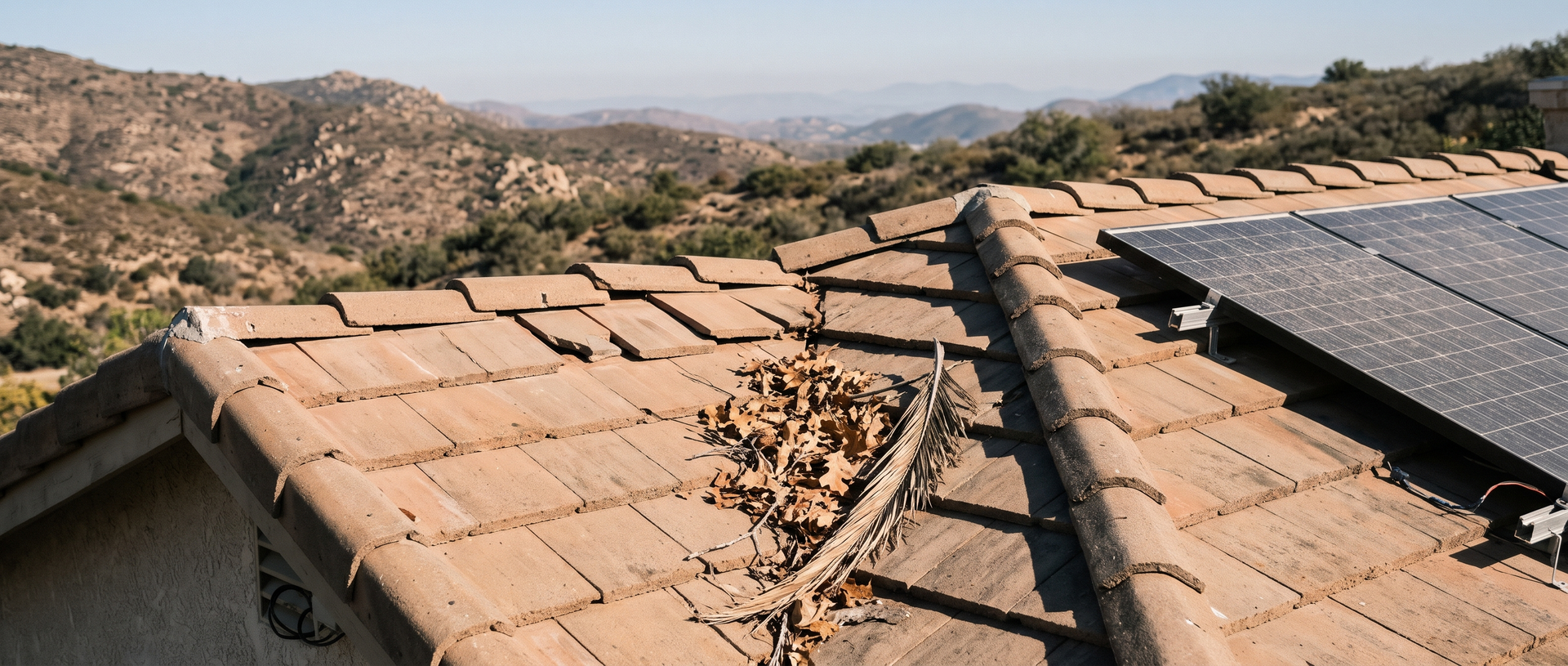
A roof that looks fine from the street can still be near the end of its useful life. A professional inspection is the only reliable way to know.
This helps homeowners who would rather fix the roof once than chase leaks every winter.
Is a Solar and Roof Replacement Worth It Over Time?
Whether it's worth it depends on your roof, your energy use, and your goals. What usually decides it is how ownership plays out after the crew leaves.
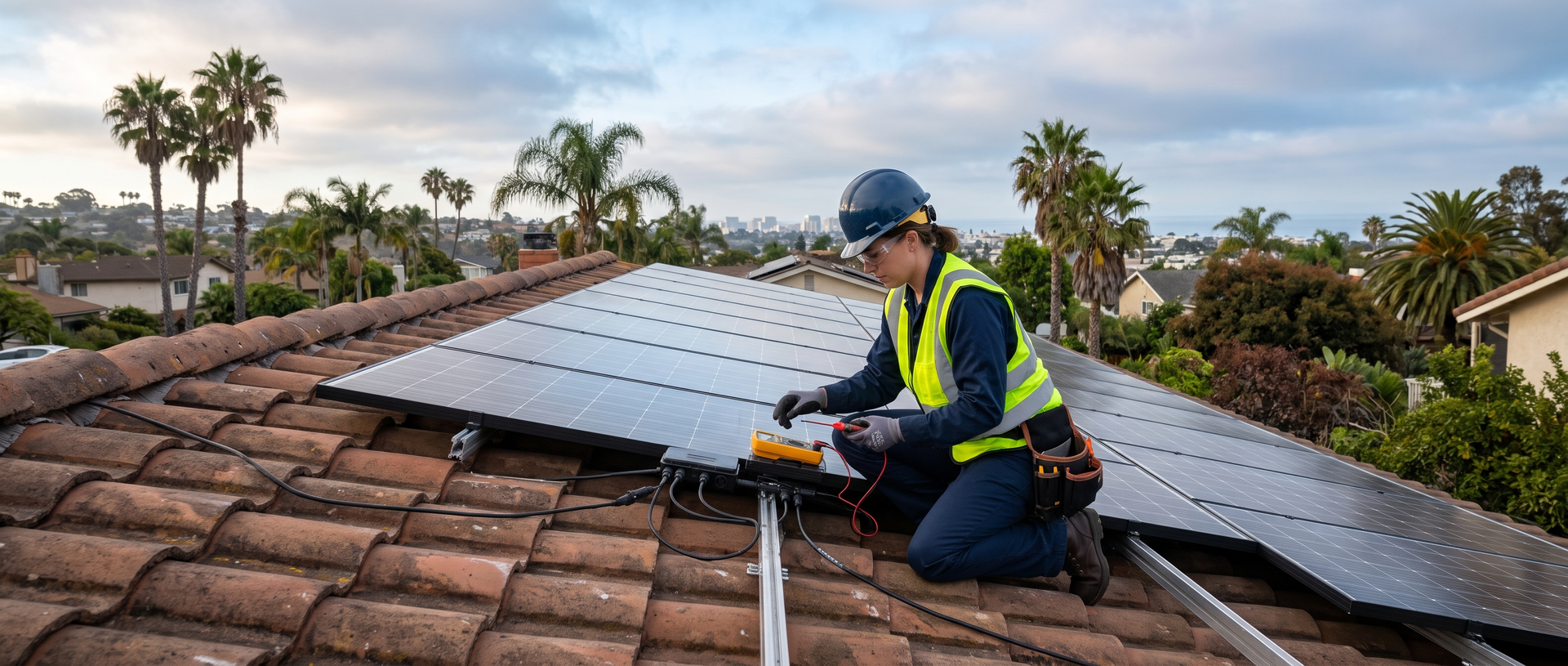
- Before installation. A site visit reviews roof condition, structure, shading, and electrical panel capacity. Design comes next, followed by permits.
- The first few months. Inspections and SDG&E interconnection approval happen before the system can operate. Each step runs on its own schedule.
- Year one. You learn your system's rhythm. Under SDG&E's current Solar Billing Plan, solar you use at home is generally worth more than solar you send to the grid, which is why many homeowners look at adding battery storage.
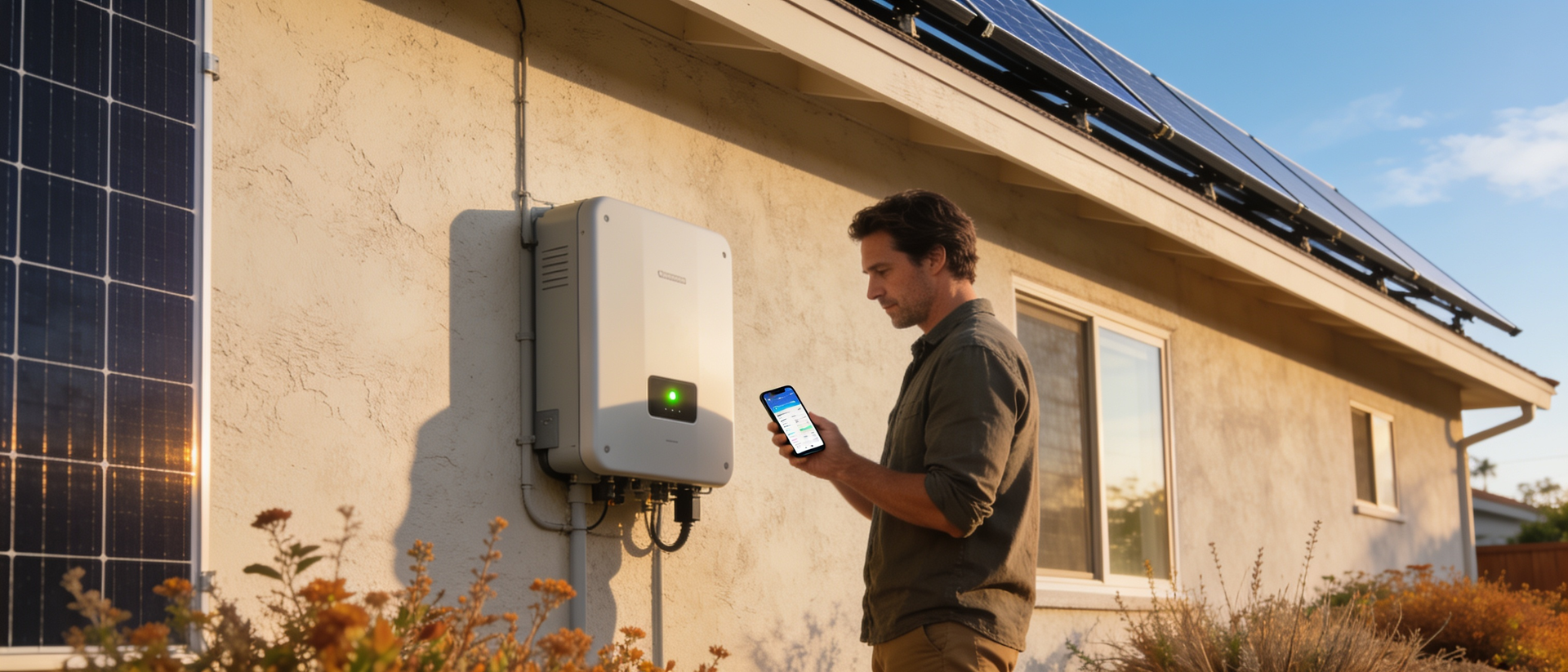
- Year three and beyond. The goal is a quiet roof and a system you rarely think about. When questions do come up, Sunline Energy's support team is there for monitoring concerns and service.
Good to know: The federal residential clean energy tax credit for homeowner-owned systems ended for expenditures after 2025. Utility rules and other incentive programs can change, and not every household qualifies, so verify current details before you decide.
This benefits homeowners who want the project done once.
Common Questions About Solar and Roof Replacement in San Diego
Should I replace my roof before installing solar in San Diego?
If your roof is near the end of its life, replacing it first usually makes sense. Panels stay on the roof for many years, and removing them later for a reroof adds cost and hassle. Coastal and inland homes age differently, so an inspection tells you where yours stands.
Can a solar and roof replacement be done during the rainy season?
Yes, in many cases. Roofing work is scheduled around dry stretches, and local winters often have breaks between storms. Crews protect the open roof during the job, though a storm can shift the schedule. Starting your planning early gives you the most flexibility with timing.
Will solar panels cause my new roof to leak?
A properly designed and installed system should not cause leaks. The key is flashing and sealing every roof attachment correctly. When one company handles both the roofing and the solar, one team is accountable for how they meet, which many Chula Vista homeowners find reassuring.
Do I need battery storage with a solar and roof replacement?
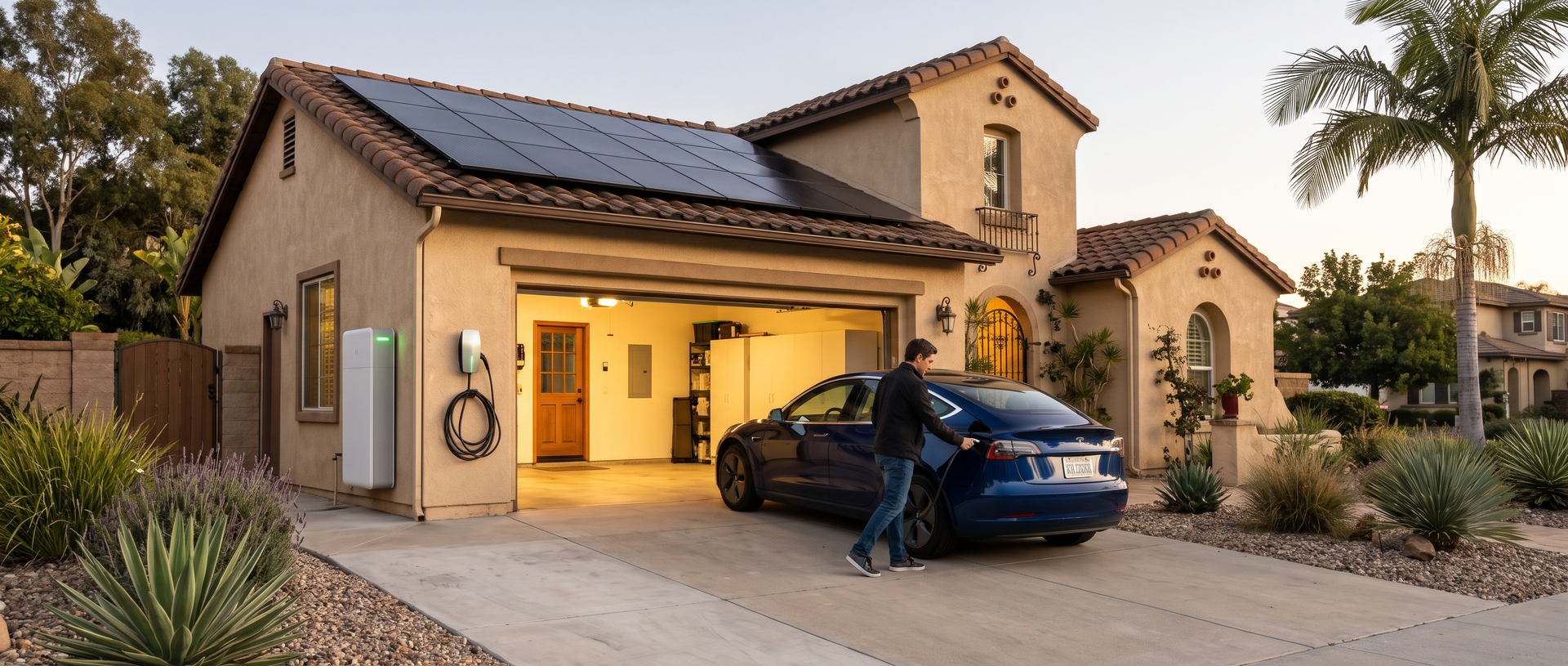
Not necessarily, but it's worth considering. Under SDG&E's Solar Billing Plan, solar you store and use in the evening is often worth more than solar you export. A battery can also keep essentials running during an outage. Your energy use and goals decide whether it fits.
Making the Call With Confidence
A solar and roof replacement is worth a serious look before the heart of the rainy season if your roof is aging and solar is already on your list. Doing both together means one plan, one set of permits, and no panels to pull up later.
If your roof still has good years left, an inspection keeps your options open. Either way, the outcome you want is the same: a dry home and an energy system you trust. Explore services on the Sunline Energy homepage, or request a free solar and roofing quote when you're ready to talk specifics.
Ready to Take the Next Step?
Talk with Sunline Energy about a roof and solar plan designed around your property and energy goals.