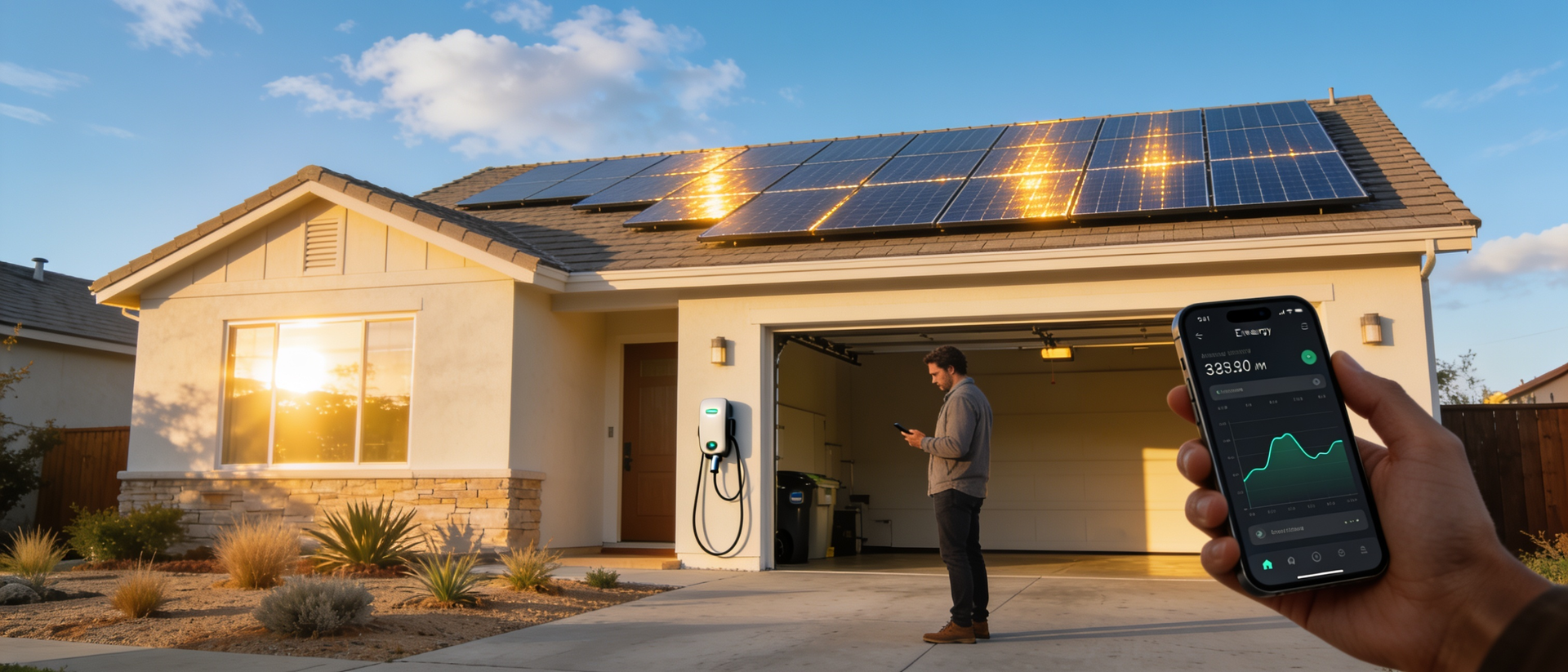

Yes, you can usually combine solar, a battery, and an EV charger in one project, and for many households it is the cleaner way to do it. The real question is not whether it is possible, but whether the pieces are planned to work together.
In San Diego, more homeowners are asking this as they bring home an EV or rethink how they handle power outages. Designing everything at once can mean one assessment, one coordinated layout, and fewer surprises with your electrical panel.
Here is how to tell whether a combined solar, battery, and EV charger project fits your home, and what the process typically looks like.
Think of it like a kitchen remodel. You can replace the counters, the sink, and the wiring in three separate jobs. Planning them together usually means fewer walls opened twice.
Three Households That Usually Ask This Question
The right setup depends less on equipment and more on what you want your home to do.
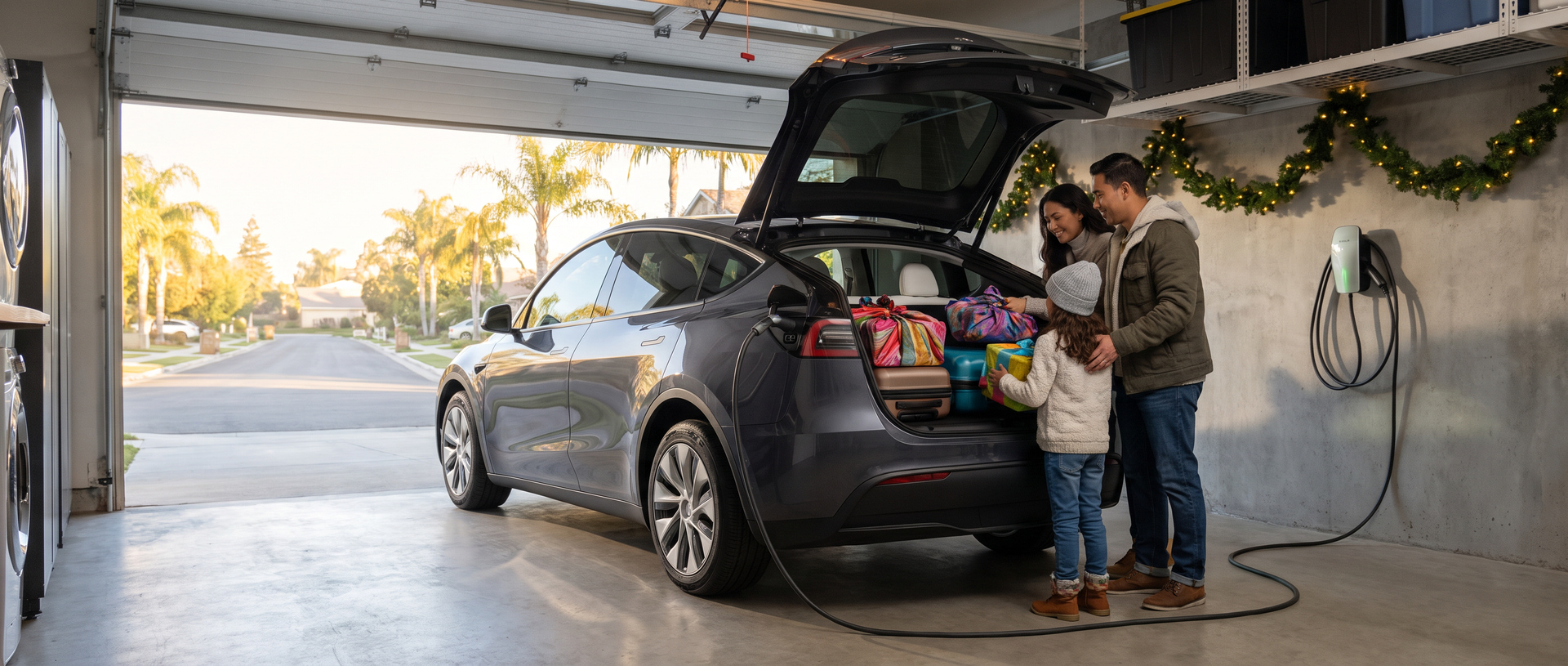
- The new EV driver. You just brought home an electric vehicle and commute on I-15 from Escondido or along I-5. Your top priority is reliable overnight charging at home.
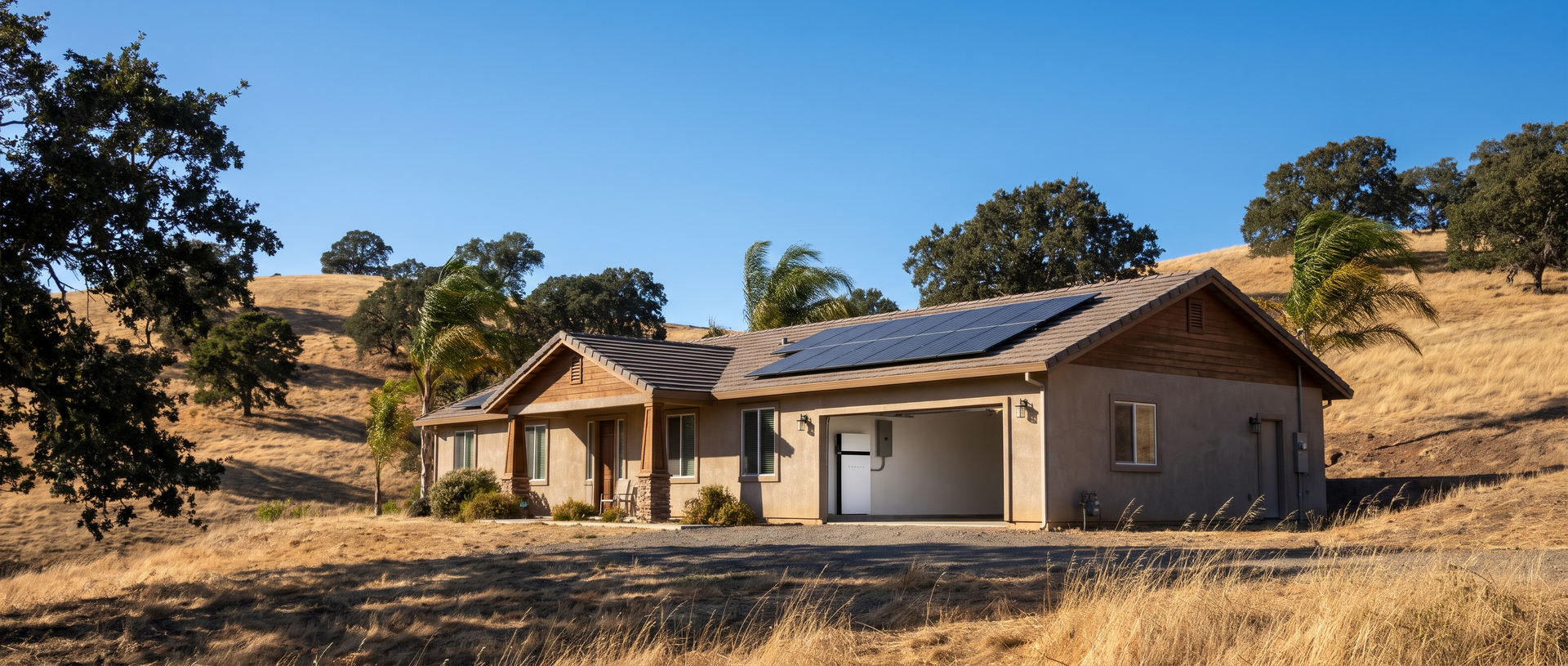
- The outage-conscious household. You work from home, or you simply hate losing the fridge and Wi-Fi during a grid outage or a fire-weather power shutoff. Backup matters to you as much as your bill.
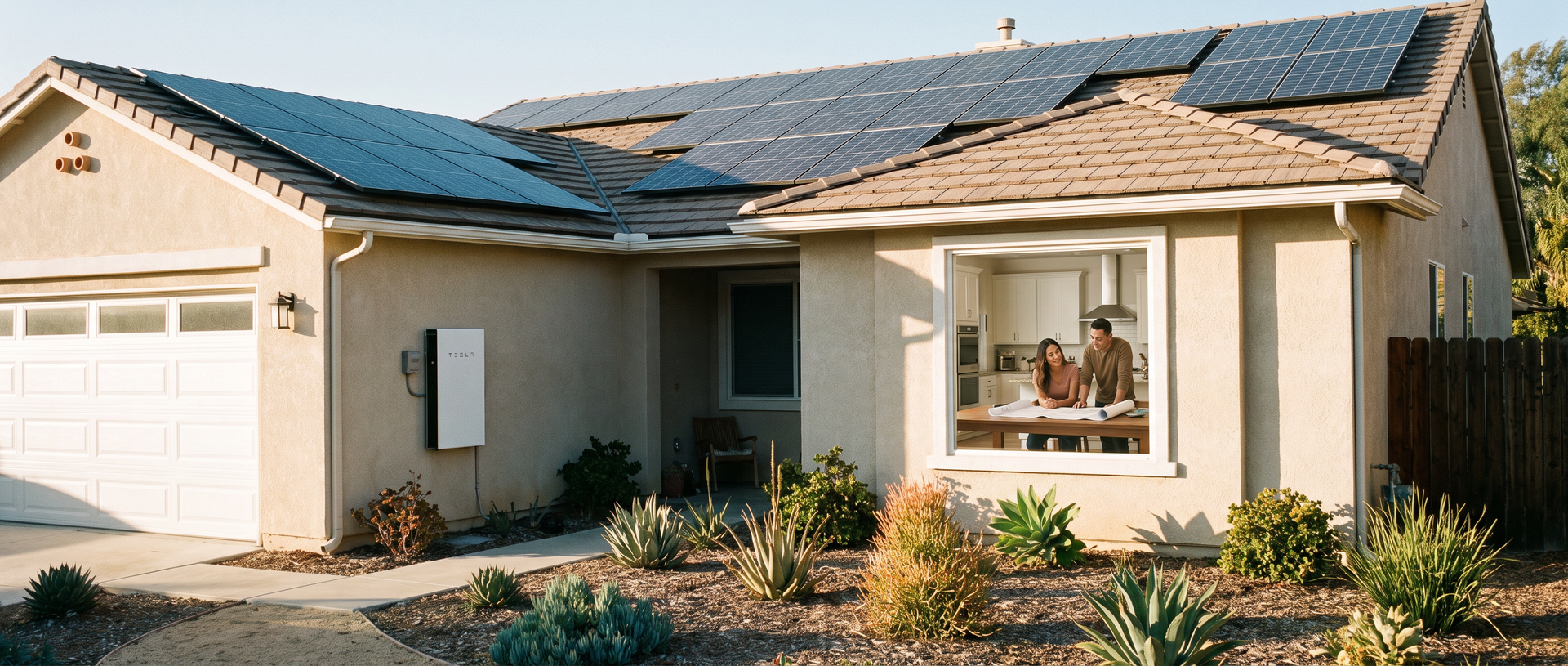
- The phased planner. You live in Chula Vista and want solar now, with an EV likely in a few years. You want today's system built with tomorrow in mind.
You might be someone who fits two of these at once. That is exactly why Sunline Energy's in-house engineering and electrical team starts with your goals, not a preset package.
This helps homeowners who feel overwhelmed by equipment choices and want a clear starting point.
Matching a Solar, Battery, and EV Charger Project to Your Priorities
No single combination is right for everyone. Use the table below to see which direction fits your situation.
| If Your Priority Is | Consider This | Why It Fits |
|---|---|---|
| Charging an EV at home | Solar plus a Level 2 charger | Daily charging is planned into the system design |
| Keeping power during outages | Solar plus home battery storage | A battery can back up selected circuits |
| EV now, battery later | Solar and charger, with room to add storage | Avoids redesigning the system down the road |
| An older electrical panel | A panel and service assessment first | Capacity often decides what fits |
These are starting points, not rules. Your roof, energy use, and electrical service all shape the final design, and you can explore each piece on the Sunline Energy homepage.
This matters for buyers who want to avoid adding equipment later that does not fit together.
How a Combined System Fits a Real Day
Picture a weekday. Your panels produce most of their power from late morning through afternoon, while your EV sits at work or in the driveway.
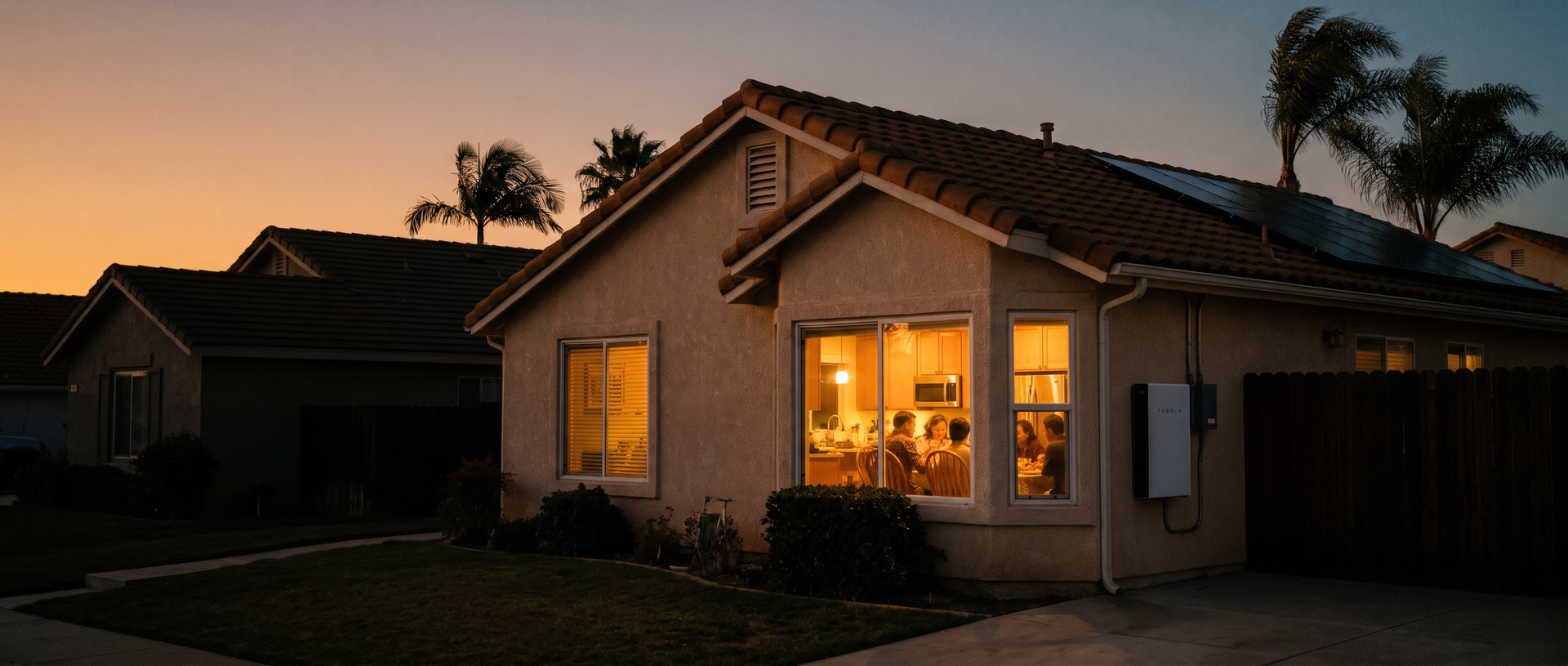
A battery can store some of that midday energy for the evening, when many households run dishwashers, air conditioning, and lights. Your charger can then be scheduled for overnight, when the car is home.
Billing rules matter here. Under California's current net billing structure, solar exported to the grid is generally credited at lower values than under older programs, which is one reason many owners look at storage. Utility rules and rates change, so verify current SDG&E program details before deciding.
In many homes, the electrical panel is the real deciding factor. Solar, storage, and a Level 2 charger all lean on panel capacity, so an early assessment prevents surprises.
How a Combined Project Typically Moves Forward
- Review your utility bills, driving habits, and backup goals.
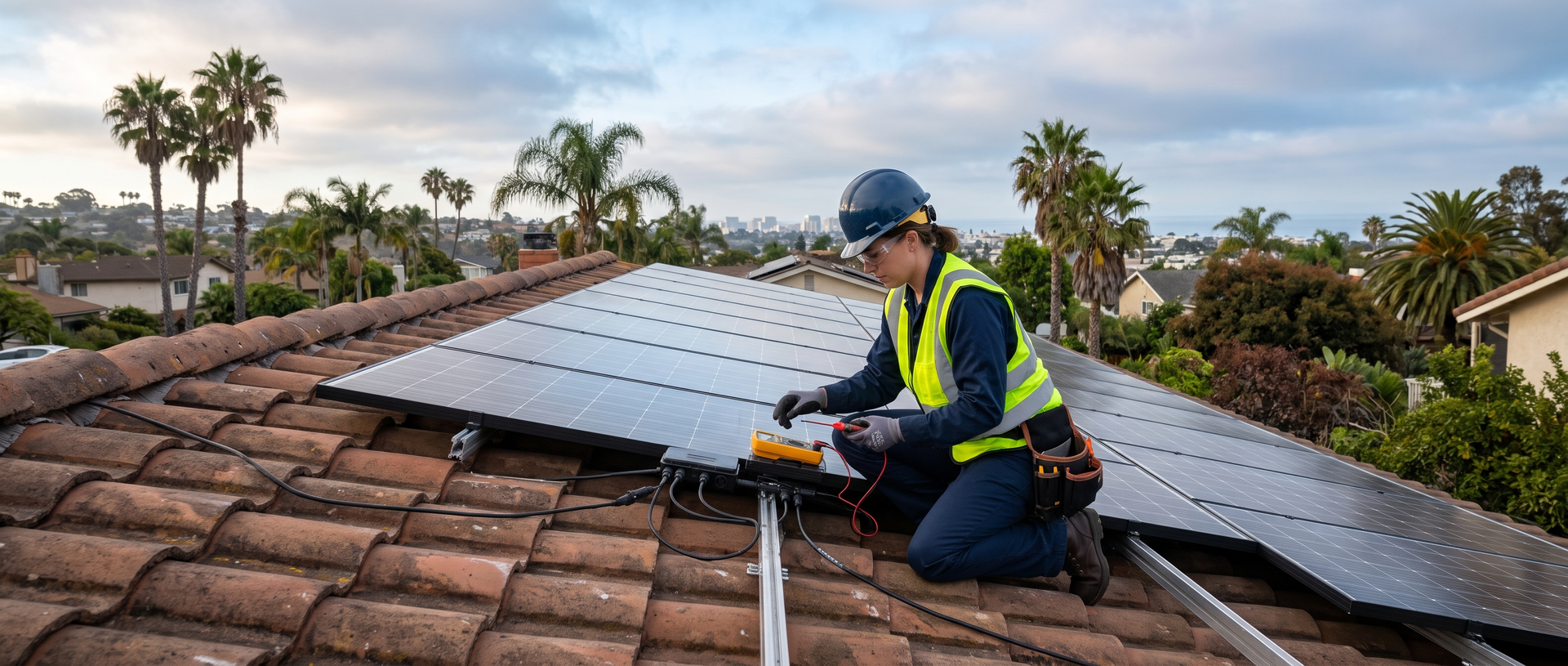
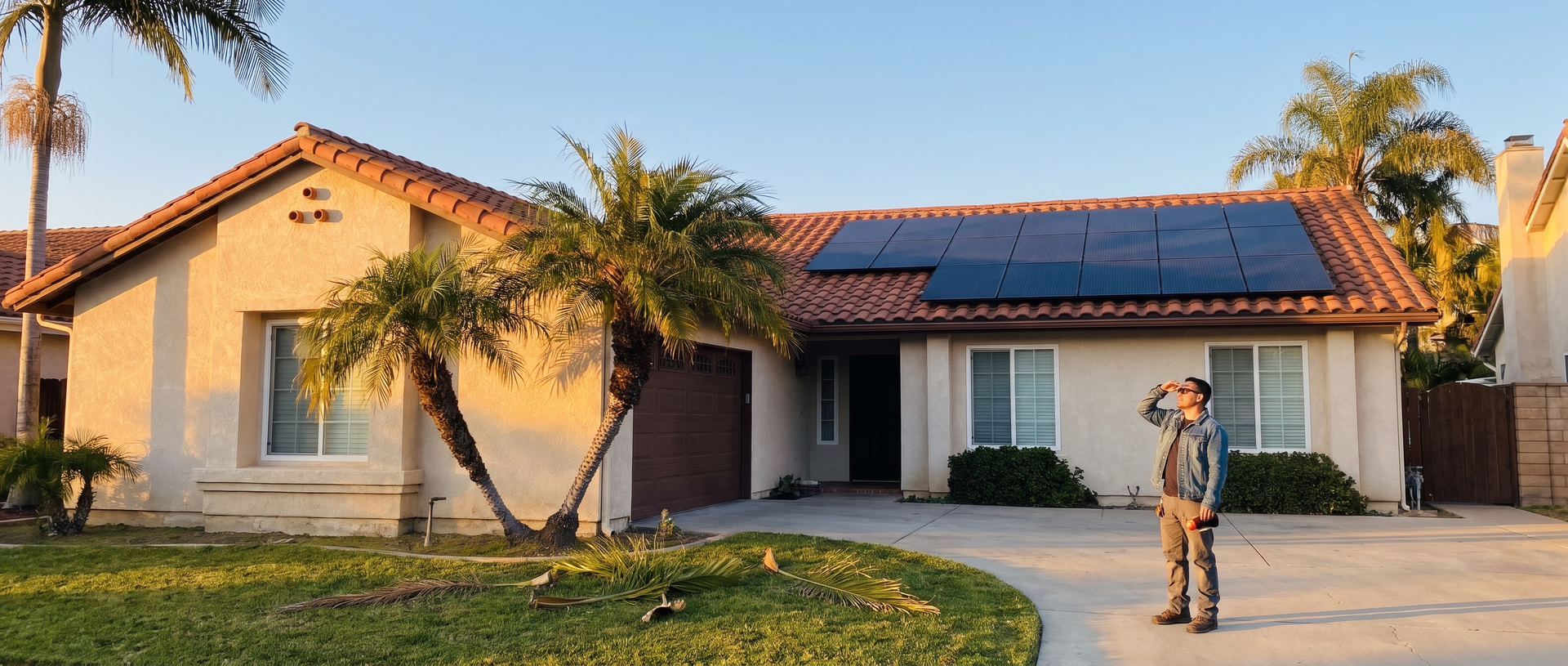
- Evaluate roof condition, orientation, and shading.
- Assess the electrical panel and service capacity.
- Design the solar, battery, and charger layout together.
- Submit permits and complete required inspections, which vary by city.
- Install the equipment and complete utility interconnection before the system turns on.
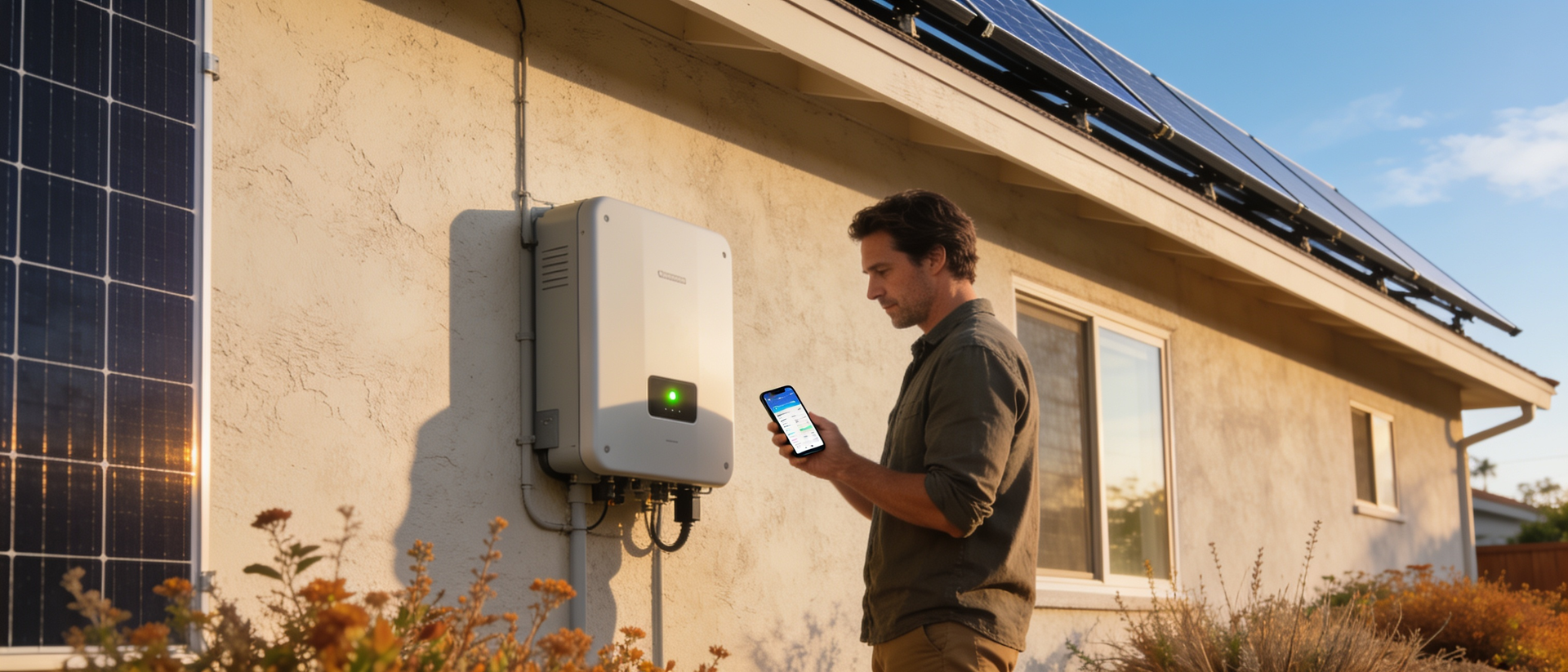
- Set up monitoring and charging schedules.
This benefits households who want one coordinated plan instead of juggling three separate contractors.
Living With a Combined System Over Time
Honestly, the first few weeks are mostly about learning a new rhythm. You check the apps, watch the battery fill at midday, and notice when the car finishes charging overnight.
Month one: you set preferences for backup reserve and charging times. Year two: you understand your seasonal patterns, including lower winter solar production. Year five and beyond: firmware updates, occasional service, and roof care keep things running smoothly.
Each component carries its own warranty terms, so keep documentation for the panels, inverter, battery, and charger in one place. When questions come up, the Sunline Energy support team is a single place to start.
This matters for owners who want long-term support, not just a good installation day.
Common Questions About a Solar, Battery, and EV Charger Project in San Diego
Can I install solar, a battery, and an EV charger at the same time?
Yes, many homes can install solar, a battery, and an EV charger in one coordinated project. Doing it together allows one design, shared electrical planning, and coordinated permitting. Your roof, electrical panel, and the permit requirements in your city will shape the final plan.
Do I need a new electrical panel for solar, a battery, and an EV charger?
Not always, but it depends on your panel's capacity and condition. Adding solar, battery storage, and a Level 2 EV charger can push older panels to their limits. An electrical assessment early in planning shows whether an upgrade or an alternative design makes sense.
Can I add a battery or EV charger to my existing solar system later?
Often, yes. Many existing solar systems can accept a battery or EV charger later, though compatibility depends on your inverter, panel capacity, and equipment age. Homeowners in Oceanside and across San Diego County should have their current system reviewed before buying new equipment.
Will a home battery charge my EV during a power outage?
It depends on your battery's capacity and how backup circuits are configured. Many systems prioritize essentials like the refrigerator, lights, and internet, and leave the EV charger off backup circuits. If outage charging matters to you, raise it early in the design conversation.
Planning Your Solar, Battery, and EV Charger Project With Confidence
Combining solar, a battery, and an EV charger works best when the system is designed around how you actually live. If you want simpler planning and fewer surprises, one coordinated solar, battery, and EV charger project is often the smoother path.
When you are ready, request a free quote for a combined system. If a friend or neighbor is weighing the same decision, the Sunline Energy referral program makes it easy to pass along.
Ready to Plan Your Combined Project?
Talk with Sunline Energy about a solar, battery, and EV charging design built around your property and energy goals.