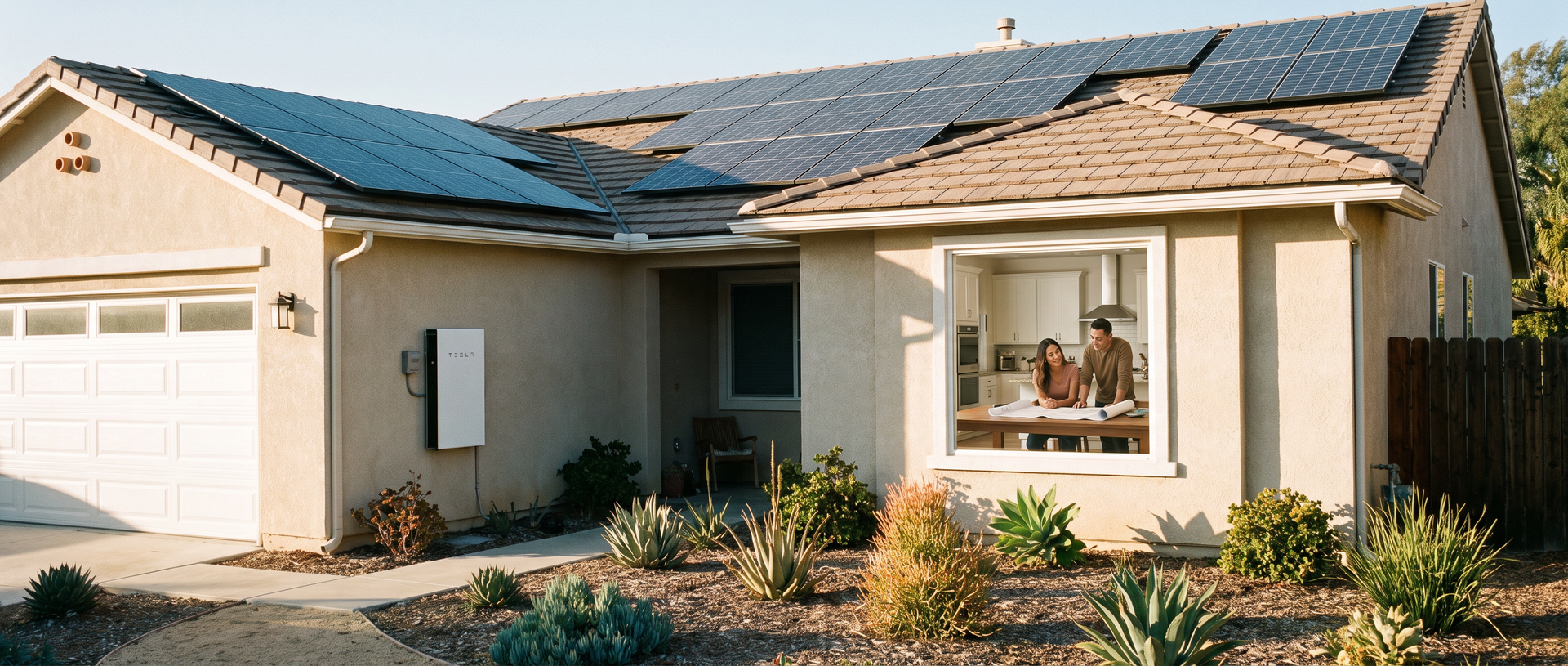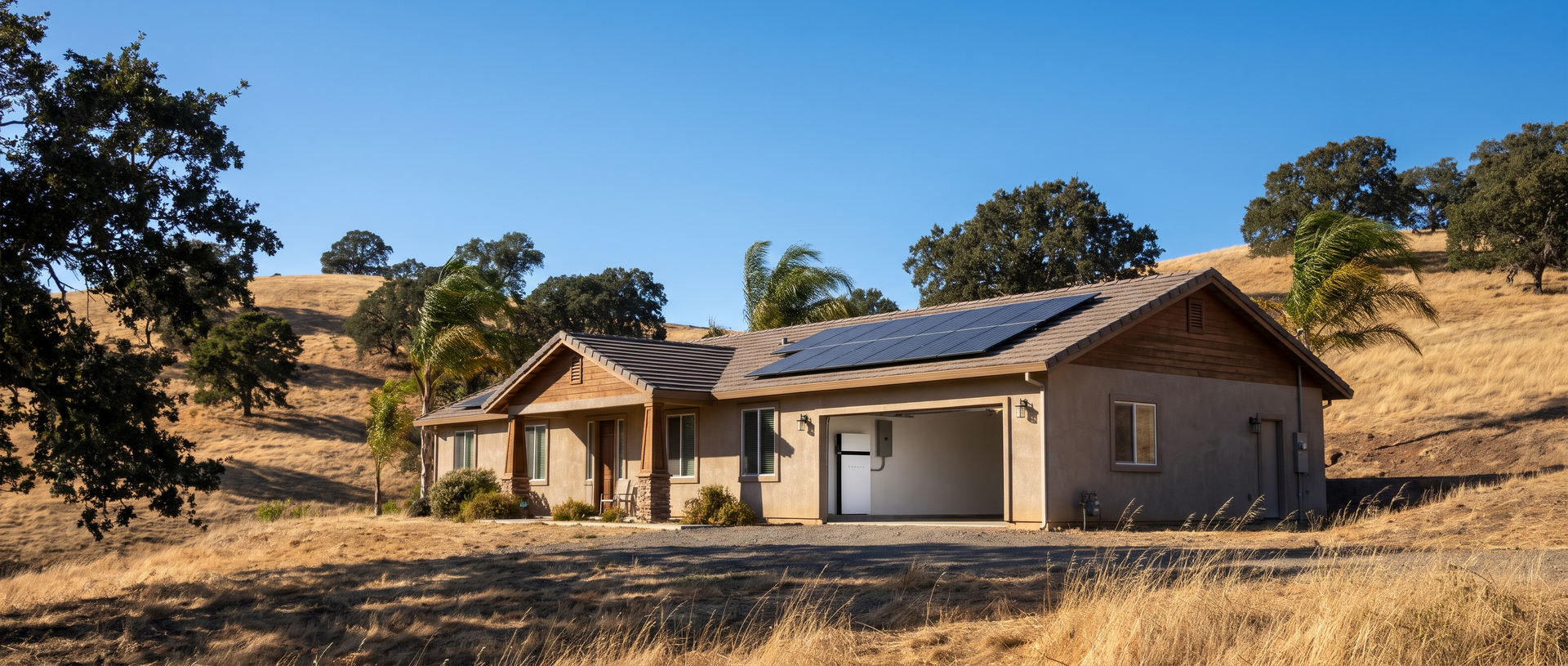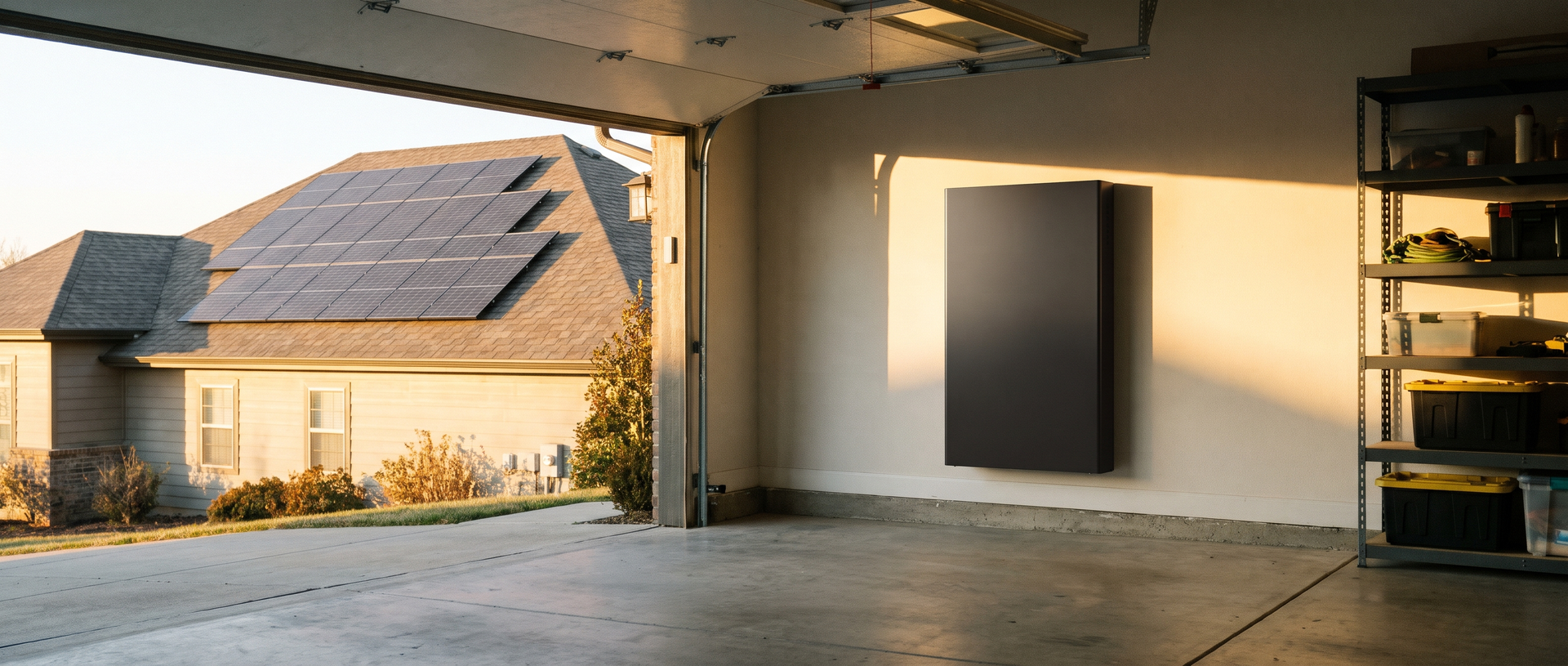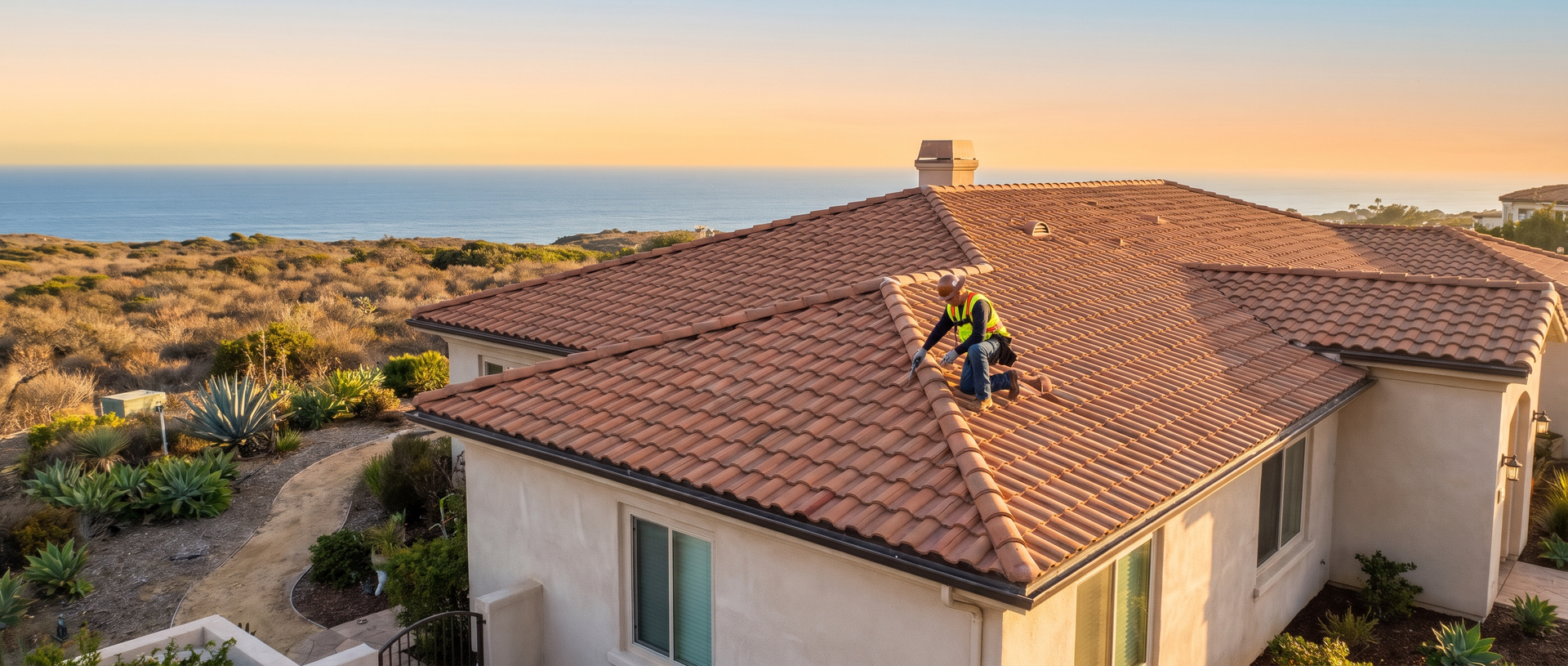

A roof inspection after Santa Ana winds is one of the smartest moves a San Diego homeowner can make once the gusts finally settle. Those dry, powerful winds can loosen tiles, lift shingle edges, and pile debris in places you never look.
The tricky part? Wind damage rarely announces itself. It usually shows up weeks later, during the first real rain. This guide covers what to look for, what to leave to a professional, and how to choose your next step with confidence.
Three Kinds of Homeowners After a Windstorm
Not every roof needs the same response. Most homeowners fall into one of three groups, and knowing yours makes the next step much clearer.
- The "it looks fine" homeowner. You walked outside, saw nothing in the yard, and moved on. You might be someone who assumes no mess means no damage. That is often where hidden problems begin.
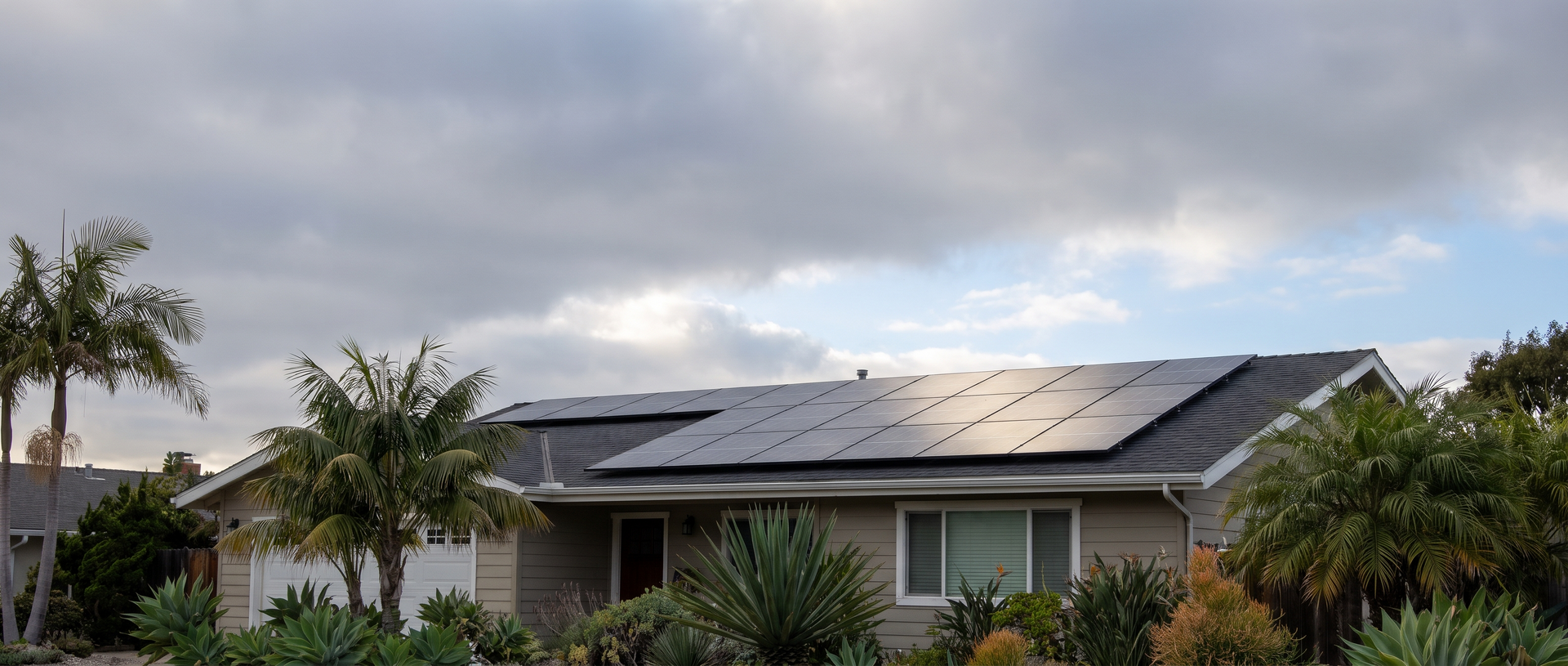
- The solar homeowner. You have panels overhead and wonder whether the racking, wiring, or roof attachments took a hit. Your roof and your solar system now share the same risks.
- The aging roof homeowner. Your roof has been patched before, or it sits under tall eucalyptus or palms. Wind tends to find the weak spots first.
Homeowners from coastal Oceanside to inland Escondido and Chula Vista feel these winds differently, but the questions are the same. Sunline Energy brings in-house roofing, solar, and electrical expertise together, which you can read more about on our About Sunline Energy page.
This matters for homeowners who want a clear plan instead of a guess.
Matching What You See to the Right Next Step
Here's the thing: you don't need to diagnose your roof yourself. You only need to notice the signs and match them to a sensible response.
| If You Notice This | Consider This | Why It Fits |
|---|---|---|
| Tile or shingle pieces in the yard | A professional roof inspection | Missing pieces can expose underlayment before winter rain |
| Debris on the roof or in gutters | Debris removal and a gutter check | Clogged valleys can push water where it doesn't belong |
| Panels look shifted or monitoring shows a drop | A solar system check | Racking, wiring, and roof seals work as one system |
| No visible damage, but an older roof | A preventive check before the rainy months | Small lifts and cracks are simpler to fix early |
If you already have a Sunline Energy solar or roofing system, our customer support page is the fastest way to request a follow-up. Either way, the goal is the same: peace of mind before the first storm of the season.
A Ground-Level Checklist for Your Roof Inspection After Santa Ana Winds
Look, the safest roof check starts with your feet on the ground. Climbing a roof after a windstorm is risky, especially on tile, which can crack underfoot. A pair of binoculars or your phone's zoom works surprisingly well.
- Scan the roofline. Look for tiles sitting crooked, shingles with lifted edges, or gaps along the ridge.
- Check flashing and vents. Metal flashing around chimneys, vents, and skylights can bend or pull loose in strong gusts.
- Look for debris. Palm fronds, eucalyptus bark, and dry leaves collect in valleys and gutters. During fire season, clearing dry debris near vents is worth doing promptly.
- Walk the perimeter. Tile fragments, shingle granules, or bent gutter sections on the ground are all clues.
- Check inside. Look at ceilings and, if it's safe to access, the attic for daylight, new stains, or damp insulation.
- Review your solar monitoring. An unexpected production drop after a wind event deserves a call.
Key insight: Santa Ana damage often stays dry and invisible until the first rain. The calm week after the wind is the best time to catch it.
Anyone who has driven home on I-15 or SR-78 during a gusty evening knows how quickly those winds shift. Your roof feels every one of those gusts, too.
What Happens in the Months After the Wind
It isn't dramatic, but it matters. A lifted tile or loose flashing rarely causes trouble the next day. The real test comes later.
In the first week, your roof may look perfectly normal. By the first winter storm, water can slip under a displaced tile and reach the underlayment. Over a full season, repeated wetting can lead to ceiling stains, wood rot, or attic moisture.
Catching issues early usually means a smaller, simpler repair. Waiting can turn a quick fix into a larger project. That's why a short professional check often makes sense, even when nothing looks wrong.
If you have solar, the roof and the array should be evaluated together, since attachments and wiring depend on a sound roof surface. Learn more about Sunline Energy's approach to long-term system care on our homepage.
This helps homeowners who want to avoid surprises when the rainy months arrive.
Common Questions About a Roof Inspection After Santa Ana Winds in San Diego
Do I need a roof inspection after Santa Ana winds if I don't see damage?
Often, yes. Wind damage like lifted shingles, cracked tiles, or loose flashing can be hard to spot from the ground. A professional roof inspection after Santa Ana winds can catch these issues in San Diego before the first winter rain exposes them.
Is it safe to climb on my roof to check for wind damage?
It's usually safer to stay on the ground. Tile roofs can crack underfoot, and loose materials after a windstorm add risk. Use binoculars or a camera zoom, check the yard and attic, and let a trained roofing professional handle anything that requires climbing.
Can Santa Ana winds damage my solar panels?
They can affect your system. Panels installed to code are engineered with wind in mind, but strong gusts and flying debris can still stress racking, wiring, or roof seals. If monitoring shows a drop after a windstorm in Escondido or elsewhere in San Diego County, schedule a check.
How soon should I check my roof after a windstorm?
Check as soon as the winds die down and conditions are safe. A quick ground-level look within a few days helps you spot obvious problems. In Chula Vista, Oceanside, and across San Diego, scheduling repairs before the rainy season helps protect your home from water damage.
Peace of Mind Before the Rain
Santa Ana winds pass quickly, but their effects can linger quietly overhead. A roof inspection after Santa Ana winds turns uncertainty into a clear plan.
If you see damage, get it looked at before the rain. If you see nothing, a preventive check confirms your roof is ready. Either way, you head into winter with confidence. You can request a free roof and solar check anytime, and if a neighbor is asking the same questions, our referral program makes it easy to share.
Ready to Make Sure Your Roof Is Storm-Ready?
Talk with Sunline Energy about a roof and solar check designed around your property.