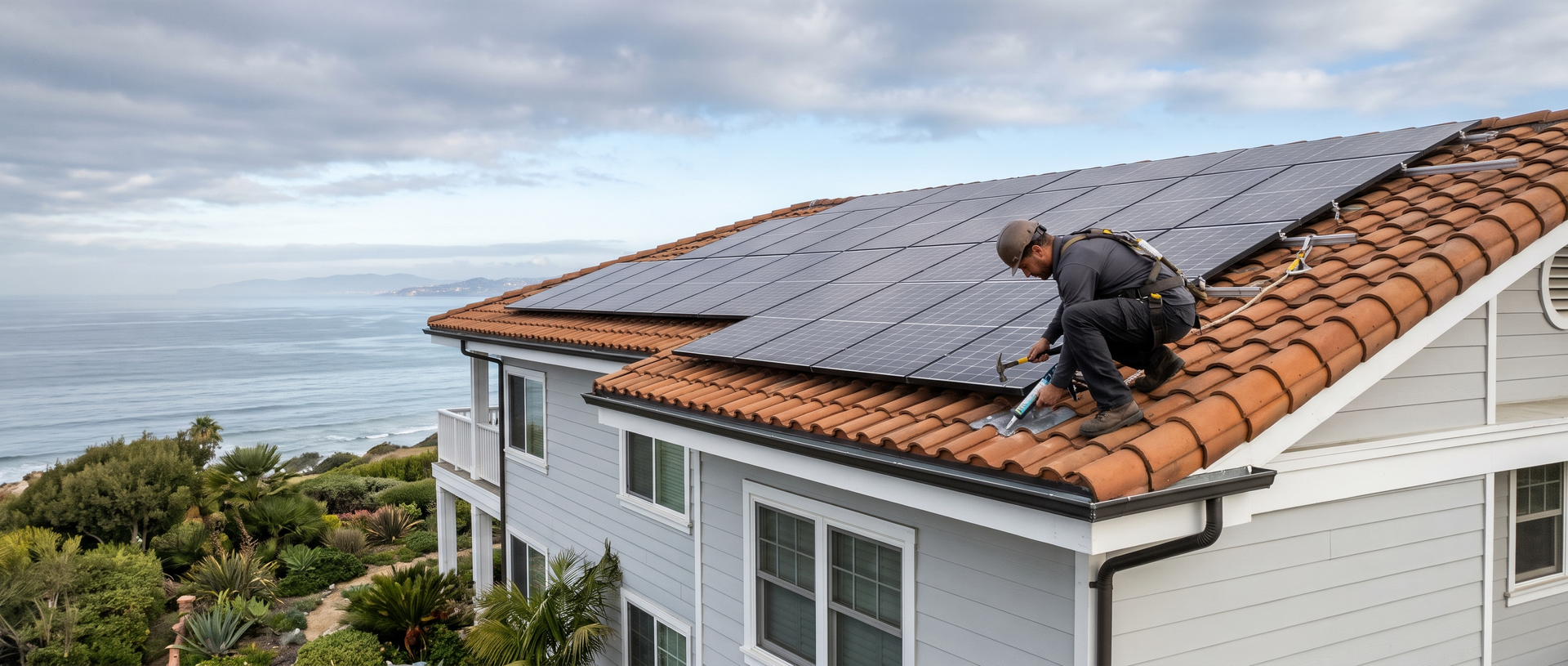
Solar production during marine layer season in San Diego usually dips on gray mornings, and that is completely normal. Your panels are not failing. The sun is simply working through a low cloud deck.
This guide explains what the marine layer actually does to your system, what is worth watching in your app, and when a dip deserves a closer look.
Which Kind of Solar Owner Are You This Season?
Gray season tends to bring out three kinds of homeowners. Knowing which one you are makes the season much easier to read.
- The App Checker. You might be someone who opens the monitoring app every morning. Near the coast in Oceanside or Chula Vista, a slow start before the clouds burn off can look alarming hour by hour.
- The Bill Watcher. You care less about daily graphs and more about the monthly statement. Your real question is whether a gloomy stretch will show up on your bill.
- The Planner. You are still deciding on solar, or thinking about expanding. You want to know whether coastal clouds make solar a weaker choice than it looks on paper.
Each type needs a different kind of reassurance. The common thread is perspective: one gray month is a single chapter, not the whole year. You can see how Sunline Energy approaches solar, storage, and roofing on the Sunline Energy homepage.
This matters most for homeowners who measure success day by day instead of season by season.
How the Marine Layer Affects Solar Output by Situation
The marine layer is a shallow layer of low clouds that forms over cool ocean water. It is most familiar in late spring and early summer, often called May Gray and June Gloom, though it can roll in during other months too.
Panels still produce under it because diffuse light passes through the clouds. Output is lower than on a clear afternoon, and the pattern depends on where you live.
| If You're This Homeowner | What You May Notice | Why It Matters |
|---|---|---|
| Coastal home near the beach | Slower mornings, stronger afternoons once skies clear | Production often recovers as the day warms |
| Inland home, such as in Escondido | Clouds clearing earlier in the day | More distance from the ocean often means less time under the cloud deck |
| Shaded roof or older equipment | Dips that seem deeper than the neighbors' | Worth a professional check, not just a weather explanation |
| Planning a new system | Seasonal variation in the design estimate | Good design accounts for the full year, not one month |
Sunline Energy's in-house engineering team considers seasonal patterns like these during system design. Learn more about Sunline Energy and its team.
This helps homeowners set expectations that match their actual address, not a statewide average.
What Marine Layer Season Feels Like on a Real Solar Home
Picture a June weekday. You head out on I-5 under a flat gray sky, and your app shows a modest morning curve. By early afternoon the sun breaks through, and the graph starts to climb.
That shape is typical along the coast. A slow morning does not mean a lost day.
There is also a quiet upside. Solar panels tend to run more efficiently when they are cooler, and marine layer days are often mild. You may not see peak output, but the panels are not fighting extra heat either.
Where homeowners get tripped up is comparing one gloomy week to a bright week in April. Solar performance is best judged over a full year, not a single overcast stretch.
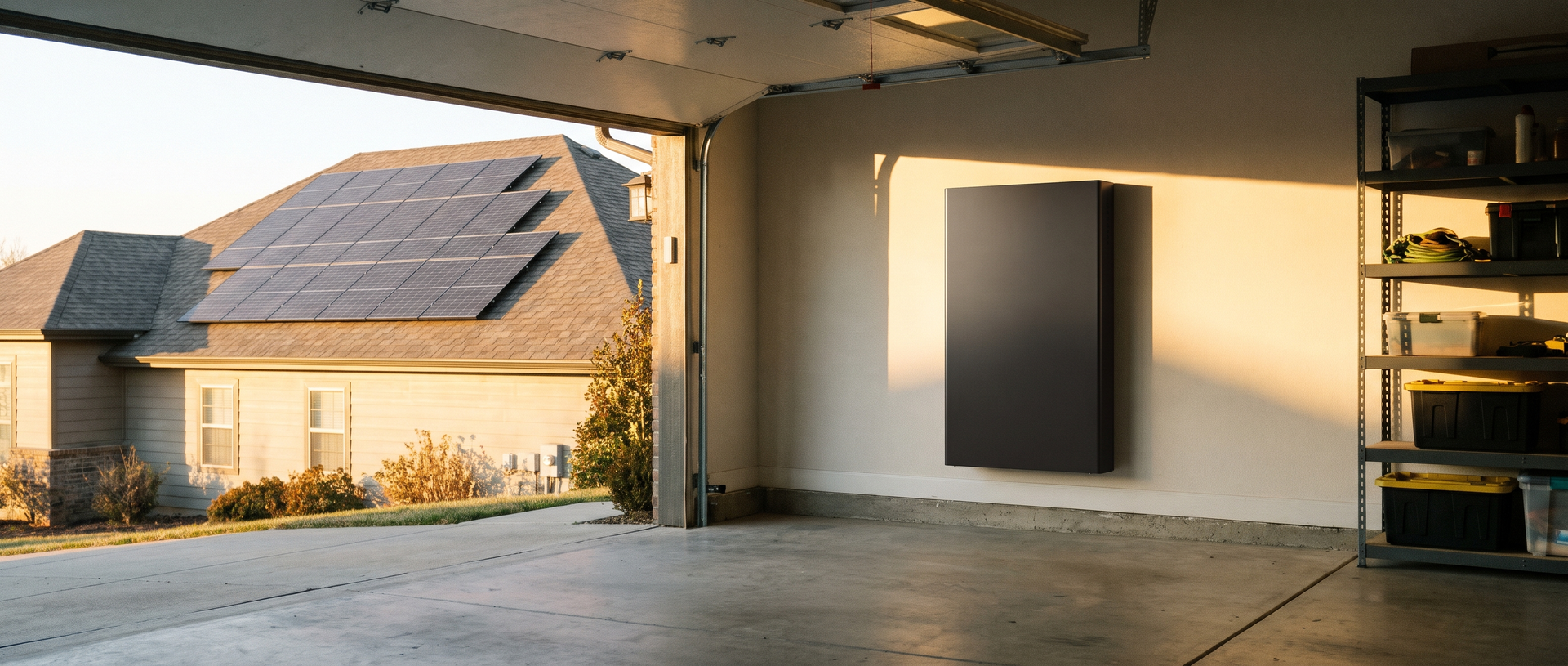
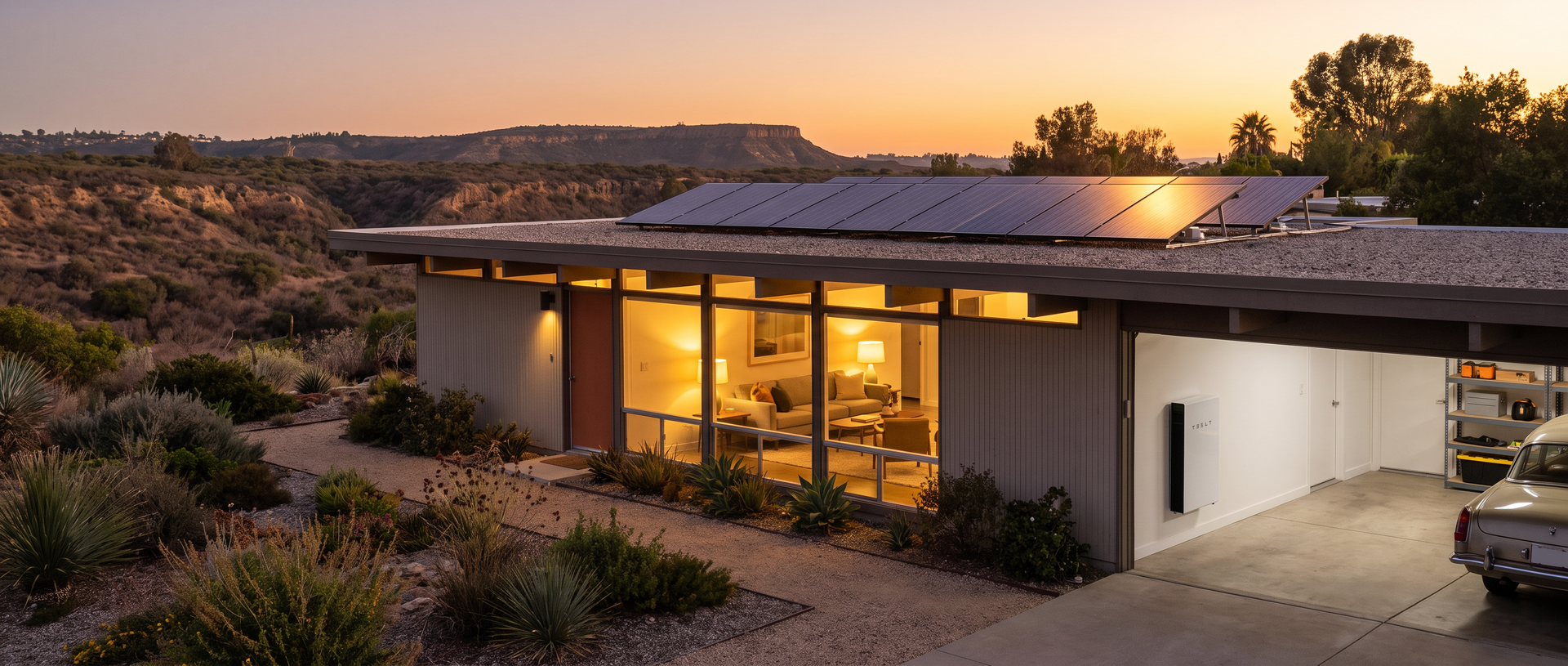
If gray days line up with heavy evening use, a battery can store midday production for later. Whether that makes sense depends on your utility plan and usage, so it is worth reviewing case by case.
Marine Layer Season and Long-Term Solar Ownership
Seasonal dips are expected. Sudden drops on a clear, sunny day are not.
In month one, many new owners check the app constantly. By year three, most have learned their home's rhythm: softer early summer mornings, strong spring and fall days, and shorter winter afternoons.
A few habits help you separate weather from a real issue:
- Compare the same month year over year, not one week to the next.
- Check whether the sky actually explains the dip that day.
- Watch for zero readings, error messages, or one group of panels lagging behind.
- Keep an eye on dust and debris, especially after long dry stretches.
If something looks off on a sunny day, that is the moment to reach out. Sunline Energy's support team can help review your monitoring data and check your equipment.
Key takeaway: Low output on gray days is normal. Low output on clear days is the signal worth acting on.
Common Questions About Solar Production During Marine Layer Season in San Diego
Does the marine layer stop solar production in San Diego?
No. Solar panels keep producing under the marine layer because diffuse light passes through the clouds. Output is usually lower than on a clear day, and coastal homes often see production climb once the cloud deck burns off in the late morning or afternoon.
Why is my solar production lower in June than in April?
Lower June output is often tied to the marine layer, which is common along the coast in early summer. April can bring clearer skies with mild temperatures. Comparing the same month across different years gives a more reliable picture than comparing two different months.
Should I add a battery because of marine layer season?
A battery does not create more solar energy, but it can store midday production for evening use. Whether that makes sense depends on your utility plan, usage patterns, and goals. A system review can show whether storage fits your home in coastal San Diego.
When should I worry about low solar production on cloudy days?
Low output on gray days is expected, but production that stays low on clear, sunny afternoons is worth investigating. Error codes, zero readings, or one section of panels lagging behind the rest are also good reasons to request a professional system check.
Reading Your Solar Production Through Every Season
Solar production during marine layer season in San Diego is lower on gray days, and that is part of a normal yearly pattern. Once you know what to watch for, cloudy mornings stop feeling like a problem.
If your output dips only when the sky does, your system is likely doing its job. If it dips on clear days, a quick check brings peace of mind. Happy with your system? Sunline's referral program is an easy way to share it, and you can reach the Sunline Energy support team anytime questions come up.
Ready to Take the Next Step?
Talk with Sunline Energy about a solar system designed around your property, your local climate, and your energy goals.