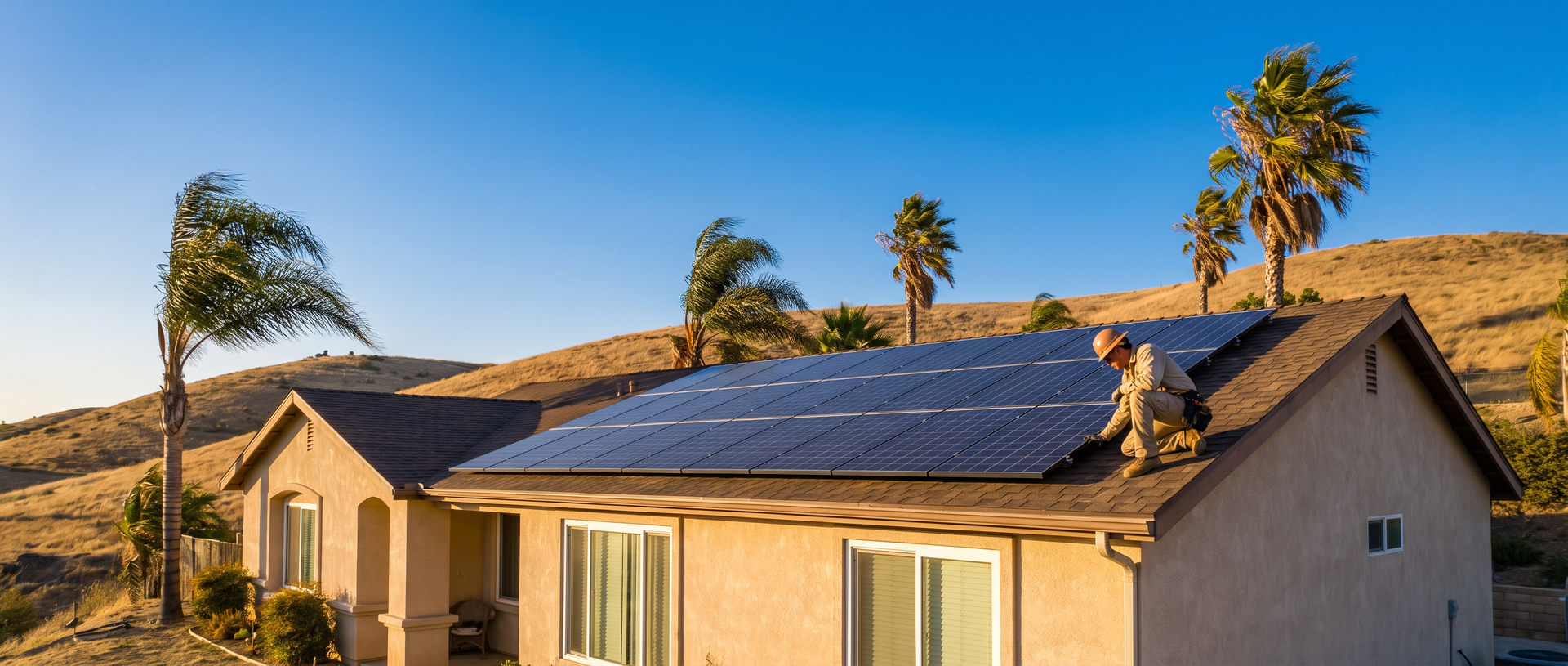
A solar service visit before winter is one of the simplest ways to protect a system that lives a few blocks from the Pacific. In Imperial Beach, salt air, marine moisture, and the first winter storms can expose small problems that stayed hidden all summer.
So is a visit worth it for your home? Often, yes. But not always. This guide helps you decide, explains what a visit usually covers, and shows how coastal conditions change the math.
Which Solar Owner Are You Heading Into Winter?
Not every system needs the same attention. Most owners near the beach fit one of three profiles.
- The set-it-and-forget-it owner. You might be someone whose panels have run quietly for years without a single check. Nothing seems wrong, but you honestly aren't sure.
- The app watcher. You might check your monitoring app now and then and have a hunch that production looks lower than it did last fall.
- The inherited-system owner. You might have bought a home that came with solar, along with very little paperwork about who installed it or when it was last serviced.
Homeowners in Chula Vista, Escondido, and Oceanside ask the same question every fall, though coastal homes tend to face more salt exposure than inland ones. To learn how the team approaches long-term system care, read about Sunline Energy.
Bottom line: this helps you figure out whether you need a visit or just a closer look at your data.
Matching a Solar Service Visit Before Winter to Your Situation
Think of it like rinsing and checking your surfboard before a big swell. Most of the time it's fine. The check is how you find out before it matters.
| If You're This Owner | Consider This | Why It Fits |
|---|---|---|
| No service check in several years | A full pre-winter service visit | Catches wear before winter storms test the system |
| Production looks lower than last year | A diagnostic visit with a monitoring review | Separates normal seasonal change from a real equipment issue |
| You bought a home with existing solar | A baseline inspection | Gives you a clear starting point for future care |
| Recently serviced and monitoring looks normal | Keep watching your data | A visit may not be necessary yet |
That last row is worth repeating. If your system was checked recently and production tracks normally, you may not need anything right now. This matters for owners who want to spend on care only when it makes sense.
You can explore the full range of solar, battery, and roofing services on the Sunline Energy homepage.
What Coastal Air Does to a Rooftop System
Drive down Seacoast Drive on a gray morning and you can feel the mist on your windshield. Your panels feel it too, every day of the year.
Over time, salt air can leave a film on glass and speed up corrosion on exposed metal, connectors, and fasteners. Gulls and pigeons may leave debris or try to nest under arrays. Then winter arrives with rain and gusty wind off the water, which puts roof seals and attachments to the test.
Lower winter production isn't automatically a problem. Shorter days and a lower sun angle naturally reduce output. The real question is whether your numbers dropped more than the season explains.
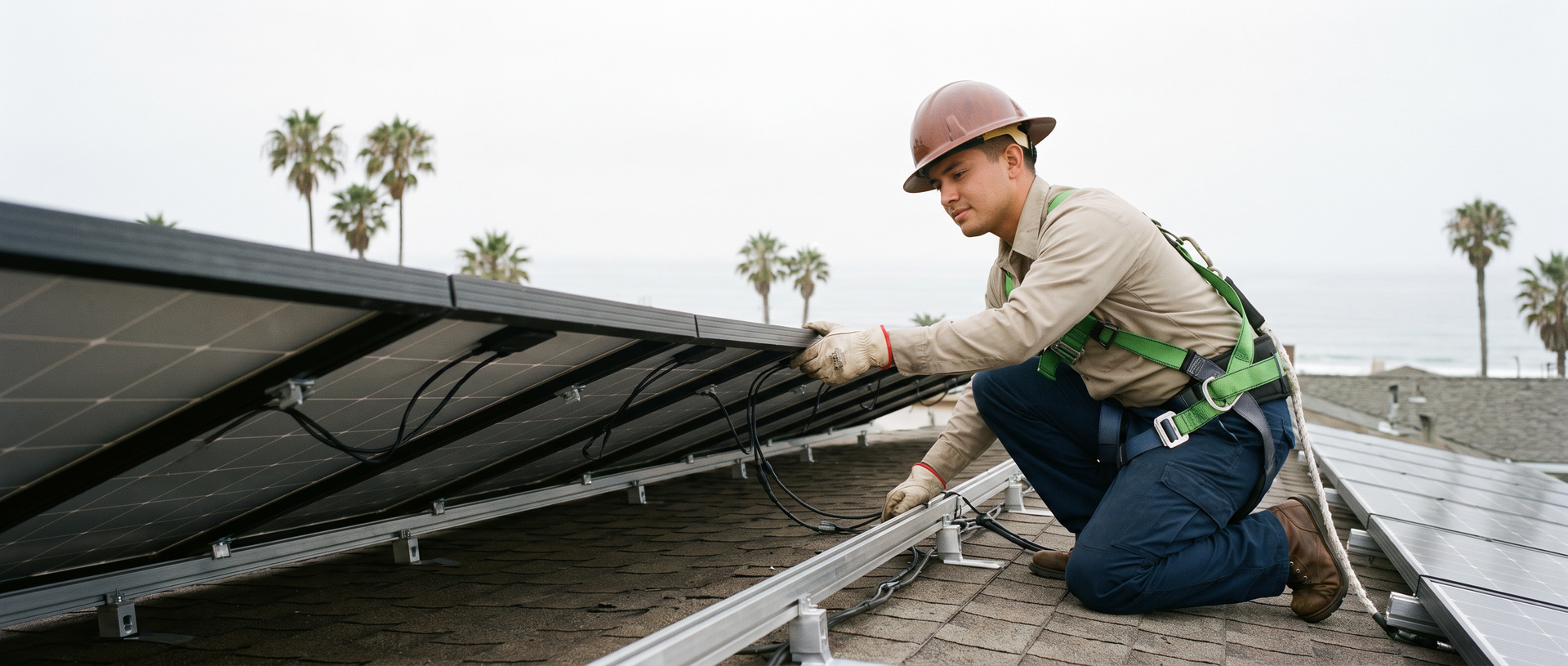
A typical pre-winter visit may include:
- A visual inspection of panels, racking, and roof attachments
- A check of wiring and connectors for corrosion or damage
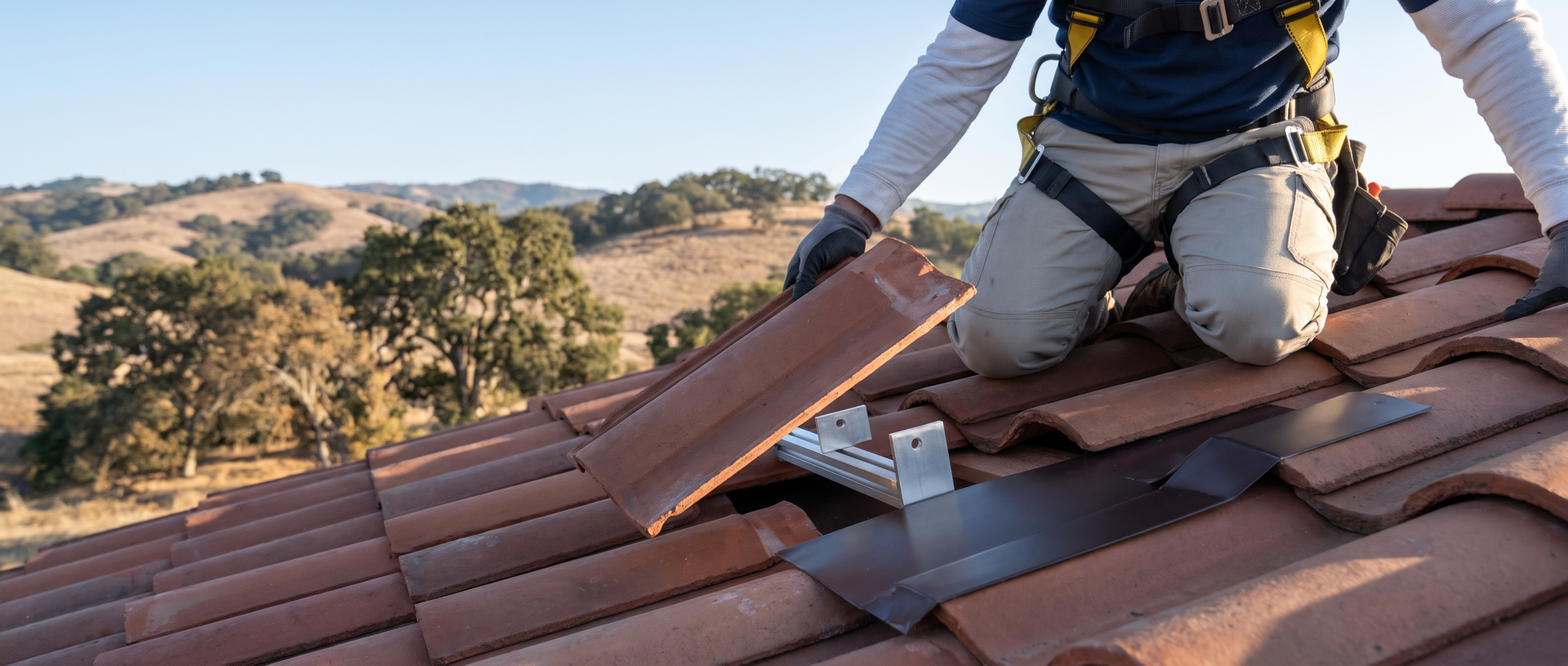
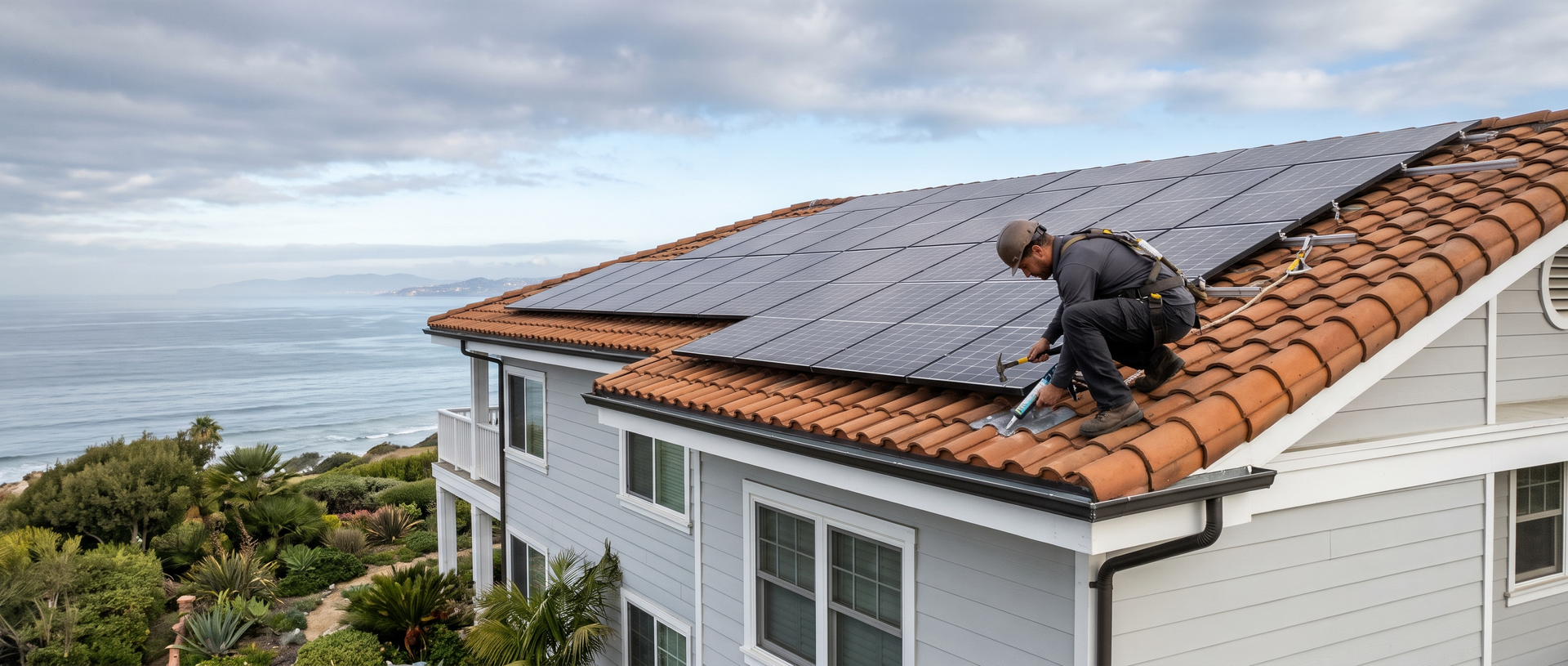
- A look at roof penetrations and flashing around the array
- Inverter and monitoring review, including any error codes
- Checking for debris or pest activity under the panels
Is it glamorous? No. But a loose connector or tired seal is much easier to fix on a dry October afternoon than during a February storm.
Living With a Coastal Solar System Over the Years
Owning solar near the ocean is a long game. The goal is steady, predictable performance, not a perfect report every single year.
- After the visit. You should leave with a clear explanation of what was found and what, if anything, needs attention.
- Through the winter. Watch your monitoring app after storms for sudden drops or error alerts.
- By spring. Compare production to the same months last year as days lengthen.
- Year after year. Let system age, monitoring data, and coastal exposure guide how often you schedule checks.
One safety note: please don't climb onto your roof to hose off panels. Walking on panels or using high-pressure water can cause damage. If something looks off, reach out to Sunline Energy support instead. This benefits owners who want their system to keep working quietly for years.
Common Questions About a Solar Service Visit Before Winter in Imperial Beach
Is a solar service visit before winter worth it in Imperial Beach?
For many coastal homes, yes. Salt air, marine moisture, and winter wind can wear on connectors, racking, and roof seals. A pre-winter visit helps catch small issues before the rainy season, especially if your system hasn't been checked in a few years.
Why does my solar system produce less in winter?
Shorter days and a lower sun angle naturally reduce winter production, and cloudy or marine layer days add to that. A seasonal dip is normal. A sharp drop compared with the same months last year may point to an equipment or shading issue worth checking.
Should I clean my solar panels myself near the beach?
It's usually better not to. Climbing onto the roof is risky, and walking on panels or using high-pressure water can cause damage. If salt film or bird debris is a concern near the beach, ask a qualified technician to evaluate and clean the panels safely.
How often should a solar system near the ocean be serviced?
There's no single schedule that fits every home. Systems close to the water in Imperial Beach may benefit from more frequent checks because of salt exposure. System age, monitoring data, and manufacturer guidance are the best guides for deciding when a visit makes sense.
Heading Into Winter With Confidence
A solar service visit before winter is really about peace of mind. If your system is older, underperforming, or new to you, a check now can reveal small issues before storms make them bigger. If everything looks healthy, keep watching your data.
Know a neighbor with panels who hasn't had a check in years? Share the Sunline Energy referral program, or contact Sunline Energy with your questions.
Ready to Take the Next Step?
Talk with Sunline Energy about a pre-winter service plan designed around your coastal home and your system.