
Holiday electricity use in San Diego rarely comes from one big thing. It builds quietly from roofline lights, a busy oven, extra laundry, and a houseful of guests charging phones.
Then the bill arrives in January and nobody can say exactly why it jumped. This guide shows you how to estimate your own holiday load, where the hidden usage hides, and how solar and battery storage fit into the picture.
Which Holiday Household Are You?
Before you can trim anything, it helps to know what kind of December your home actually has. Most homeowners we talk with fall into one of three patterns.
- The Roofline Decorator. You might be someone who lines the eaves, wraps the palms, and runs an inflatable or two. Your extra usage is mostly lighting, and mostly after dark.
- The Full-House Host. Family flies in, the oven runs for hours, and the washer never stops. Your load is spread across the whole day.
- The Already-Solar Homeowner. You went solar in Chula Vista, Escondido, or Oceanside and still noticed a winter bump. That surprises a lot of people, and it has a clear explanation.
Plenty of homes are a mix. Knowing your dominant pattern tells you which fix will actually move the needle. If you are new to how a home energy system works, the Sunline Energy home page is a good place to get oriented.
Estimating Holiday Electricity Use for Your San Diego Home
You do not need a meter on every outlet. Check the wattage on each light strand or decoration label, then run one simple formula.
Watts ÷ 1,000 × hours per night × number of nights = kWh used.
Example: a display drawing 200 watts, on six hours a night for 30 nights, uses about 36 kWh for the season. Compare that to your monthly usage on your SDG&E bill to see how much it really matters.
Once you have a rough number, match your situation to the change that fits it best.
| If You're This Homeowner | Consider This | Why It Fits |
|---|---|---|
| Decorator with older incandescent strands | LED strands plus plug-in timers | Same glow, far less draw, no lights burning at 3 a.m. |
| Host with a full house | Run laundry and dishes earlier in the day | Keeps busy days out of pricier evening hours |
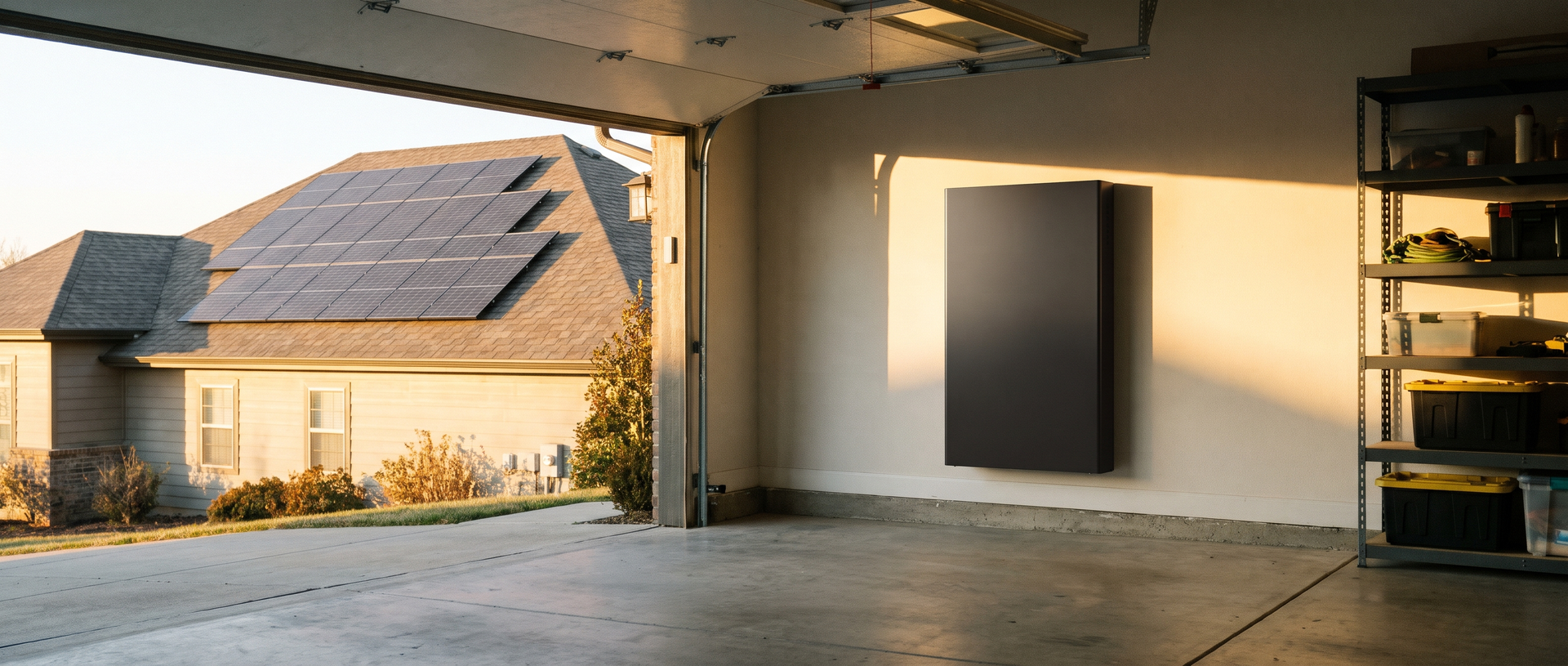
| Solar owner without a battery | Ask about adding battery storage | Saves midday solar for evening use |
| Planning solar for next year | Bring 12 months of usage to a design consult | Sizes the system around your real seasonal load |
SDG&E notes that LED holiday lights can use up to 80% less energy than incandescent strands. Our team's approach to design starts with exactly this kind of real usage data, which you can read more about on our About Sunline Energy page.
Why December Hits Differently Here
Here's the thing most people miss: the timing of holiday usage matters as much as the amount. Decorations switch on right as the sun drops behind the coast.
Your lights peak in the evening, which is exactly when a solar array is producing little or nothing. Winter days are also shorter, and the sun sits lower in the sky, so panels naturally produce less than they do in June.
Many SDG&E customers are on time-of-use plans where late afternoon and evening hours cost more. Check your own plan details, since rate structures change. Add a chilly inland night in Escondido, when a space heater or heat pump kicks on, and the evening load stacks up fast.
Is a holiday light display a reason to panic about your bill? No. But understanding when you use power is the first step to controlling what it costs you.
Living With Your System After the Season
The holidays are a useful stress test. They show you how your home really uses energy when life gets busy.
- Month one: Compare your December usage to a typical month. Note which days spiked.
- After the first winter: If you have solar, review your monitoring app to see how production and evening usage lined up.
- Year three and beyond: Seasonal patterns become predictable. Routine panel checks, roof condition, and battery health keep things running as designed.
Equipment questions come up over time, and that is normal. Sunline Energy offers ongoing system support and service so you are not left guessing.
Common Questions About Holiday Electricity Use in San Diego
How much electricity do holiday lights use in a San Diego home?
It depends on wattage and hours. Multiply each strand's watts by nightly hours and nights, then divide by 1,000 for kWh. A 200-watt display running six hours nightly for a month uses about 36 kWh. LED strands use far less than incandescent ones.
Why does my solar home use more grid power during the holidays?
Most holiday usage happens after sunset, when panels are not producing. San Diego winter days are also shorter, so production dips. Without battery storage, evening lights, cooking, and heating draw from the grid. A battery can shift stored daytime solar into those evening hours.
Can a home battery help with holiday electricity use?
Yes, a battery can store solar energy produced during the day for use in the evening. That helps when lights and cooking peak after dark. Results depend on system size, your rate plan, and daily usage, so a design review based on real bills is the best starting point.
What is the easiest way to lower holiday electricity use in San Diego?
Switch to LED strands and put every display on a timer. Then move laundry and dishwasher loads earlier in the day, away from evening rate periods. These changes cost little, take minutes, and work for homes in Oceanside, Chula Vista, and Escondido alike.
Enjoy the Lights Without the January Surprise
Holiday electricity use does not have to be a mystery. If you know your numbers and when you use power, you can decorate, host, and relax with confidence.
If your solar system feels undersized in winter, or you want stored power for the evening rush, a thoughtful design conversation is the natural next step. Know a neighbor wondering the same thing? Our referral program makes it easy to share, and you can always contact Sunline Energy with questions.
Ready to Take the Next Step?
Talk with Sunline Energy about a solar and battery setup designed around your home's real year-round usage.