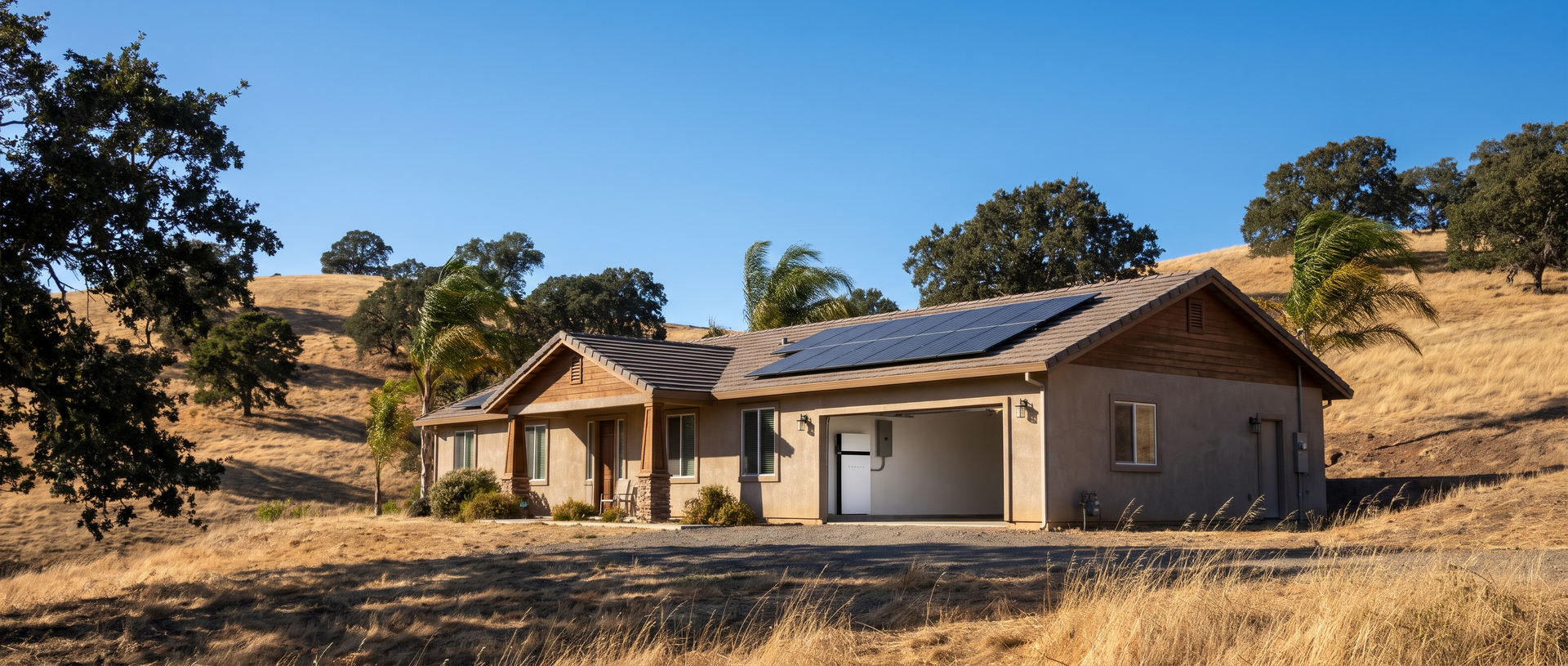

Solar can lower your SDG&E bill in winter, but the result depends more on timing than on sunshine. On SDG&E's common time-of-use plans, the winter season runs from November 1 through May 31, and on-peak pricing runs from 4 p.m. to 9 p.m. every day.
That window starts right as rooftop panels begin to fade. So the real question for San Diego homeowners isn't just "will solar work in winter?" It's "how does my household use power after the sun goes down?"
Three Winter Solar Households, Three Different Bills
Two neighbors with identical panels can get very different winter bills. Here's why.
- The Daytime Home. You might be someone who works from home in Escondido, runs laundry at midday, and cooks lunch in. Solar powers much of your day as you use it.
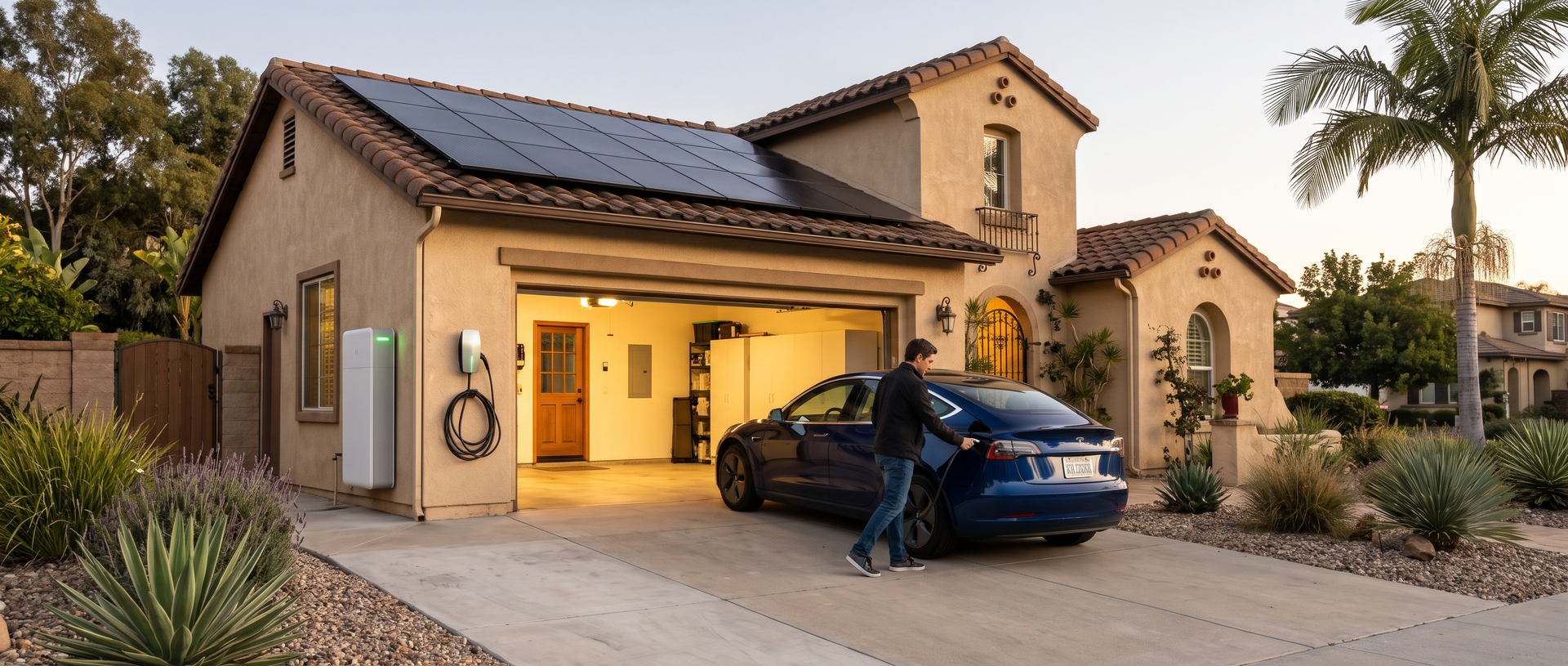
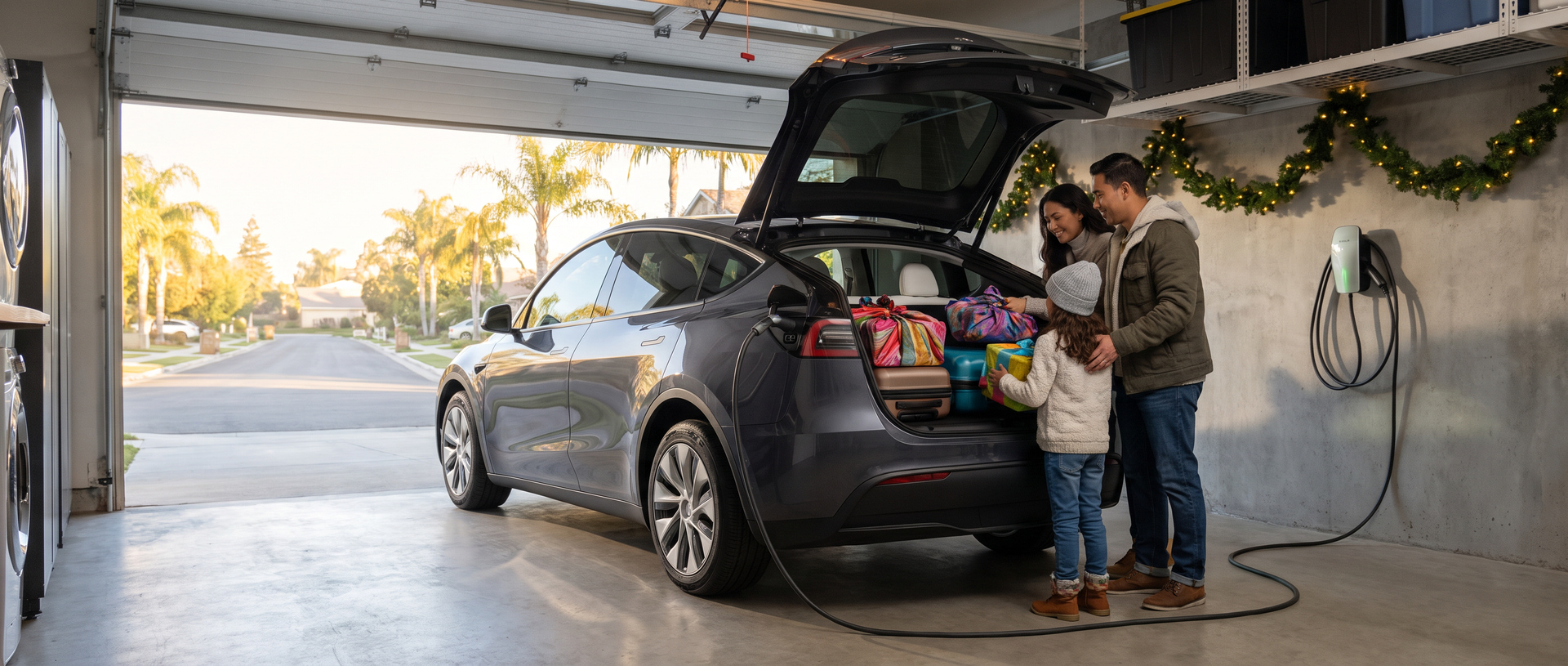
- The Evening-Heavy Commuter. You might be someone who drives home from Chula Vista or Oceanside after 5 p.m., then cooks, runs the dishwasher, and charges an EV. Most of your use lands in on-peak hours.
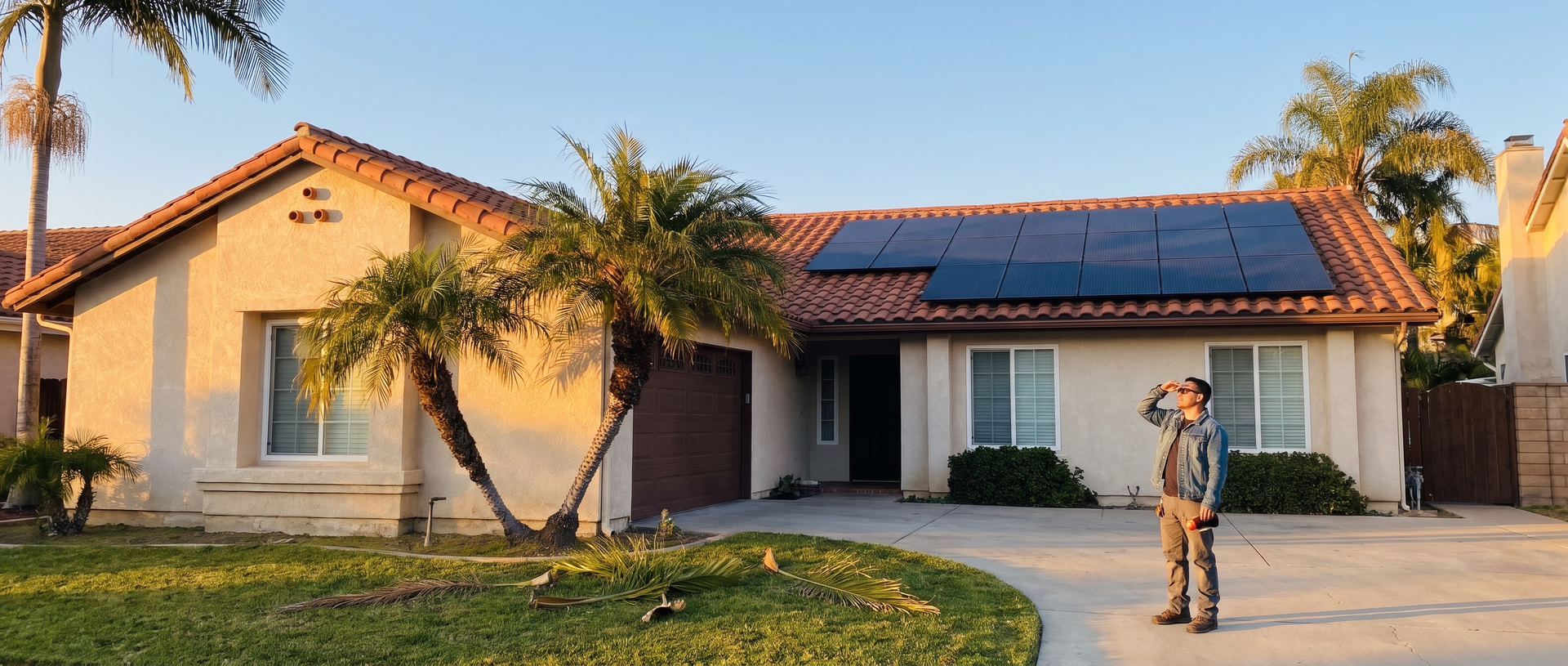
- The Surprised Solar Owner. You might already have solar and wonder why your winter bill went up. That's common, and it usually has a clear explanation.
Knowing which household you are shapes every recommendation. That's why Sunline Energy's in-house engineering and design team starts with your usage, not a one-size package.
This matters for homeowners who want a system designed for their routine, not an average one.
Matching Solar and Storage to Your Winter Routine
Most new solar customers in SDG&E territory are on the Solar Billing Plan, sometimes called NEM 3.0. Under it, energy you send back to the grid earns export credits that vary by hour and season. Those credits are usually worth less than the retail price you pay for grid power.
In plain terms: solar energy you use yourself is often worth more than solar energy you export.
| If You're This Household | Consider This | Why It Fits |
|---|---|---|
| Home during the day | Solar sized to daytime use | Panels offset power as you use it |
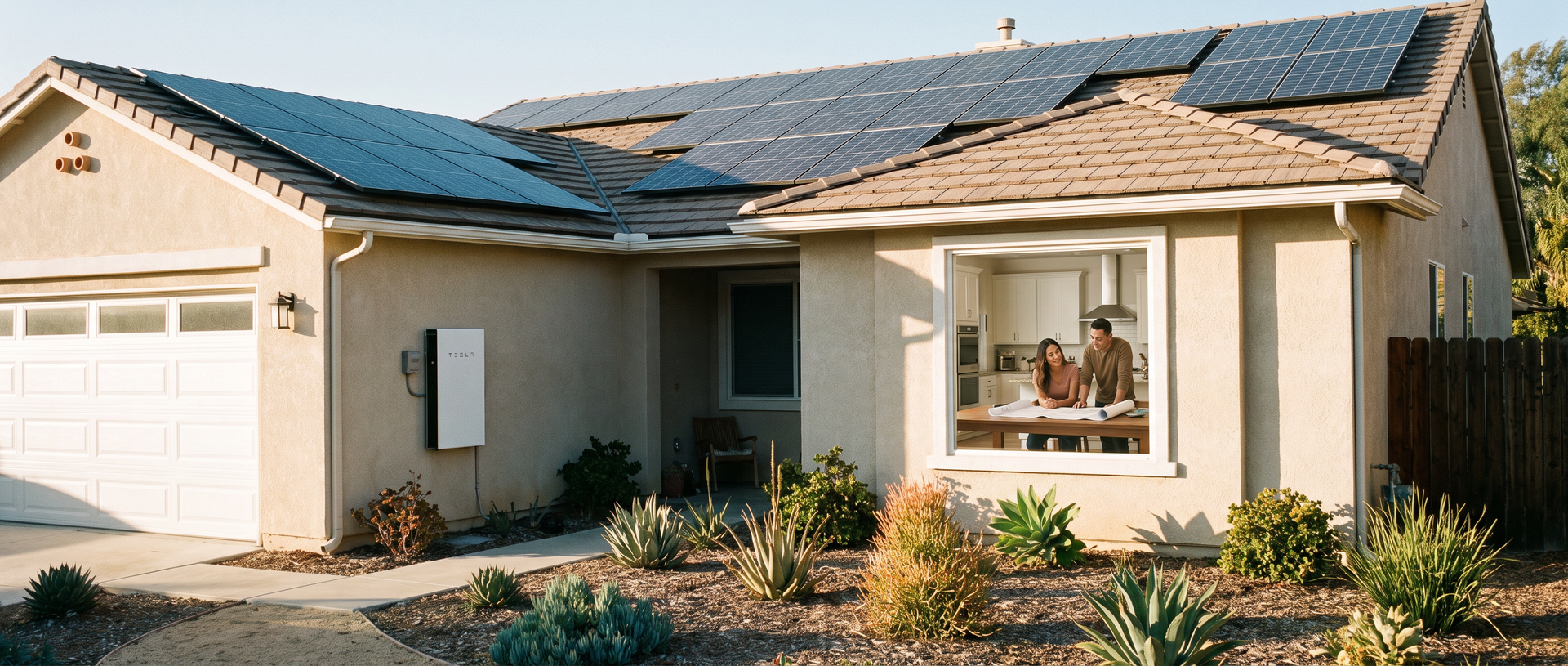
| Most use after 4 p.m. | Solar paired with battery storage | Stored energy covers on-peak evening hours |
| EV or heat pump at home | Solar, storage, and a rate plan review | Your SDG&E plan choice affects overall value |
| Existing solar, no battery | Compatible battery add-on | Shifts midday surplus into the evening |
SDG&E offers several residential plans, including options for homes with EVs, storage, or heat pumps. Rates and plan rules change, so review yours before deciding. You can explore Sunline Energy's solar, battery, and roofing services to see what fits.
What a San Diego Winter Really Does to Solar
San Diego winters are often bright and clear. But the days are shorter, the sun sits lower, and winter storms can bring a few cloudy stretches in a row. Coastal mornings may start gray before clearing.
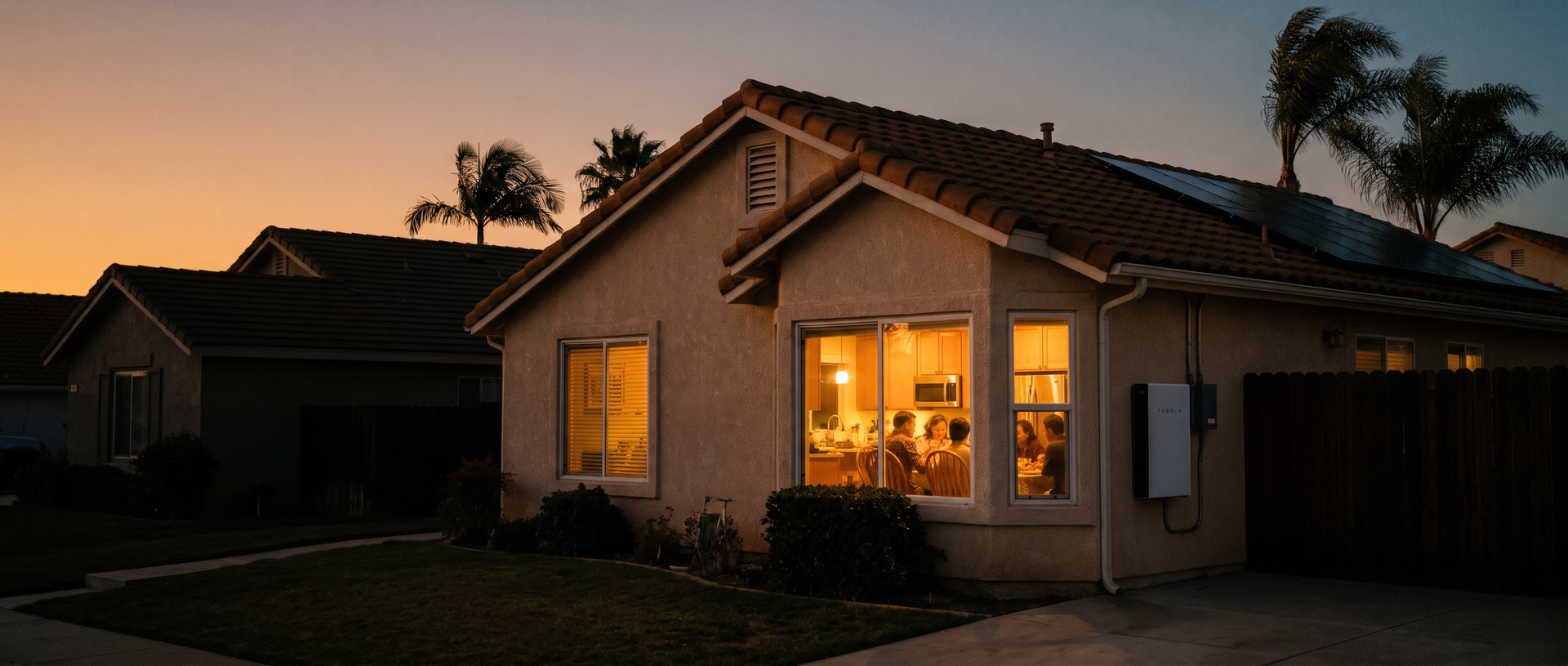
Then there's the holiday factor. Guests arrive, the oven runs for hours, string lights glow until bedtime, and the TV stays on later. Almost all of that happens after 4 p.m.
Is solar alone going to erase your winter bill? Usually not, and anyone promising that deserves a second look. In winter, the hour you use power can matter as much as how much your panels produce.
A few habits help regardless of your setup:
- Run laundry and the dishwasher during daylight hours when possible.
- Schedule EV charging outside the 4 p.m. to 9 p.m. window.
- Pre-cool or pre-warm your home before on-peak hours begin.
This helps families who want fewer surprises when the January bill arrives.
Living With Solar Through Your First Winter and Beyond
Solar is a long-term decision, so it helps to know what ownership feels like over time.
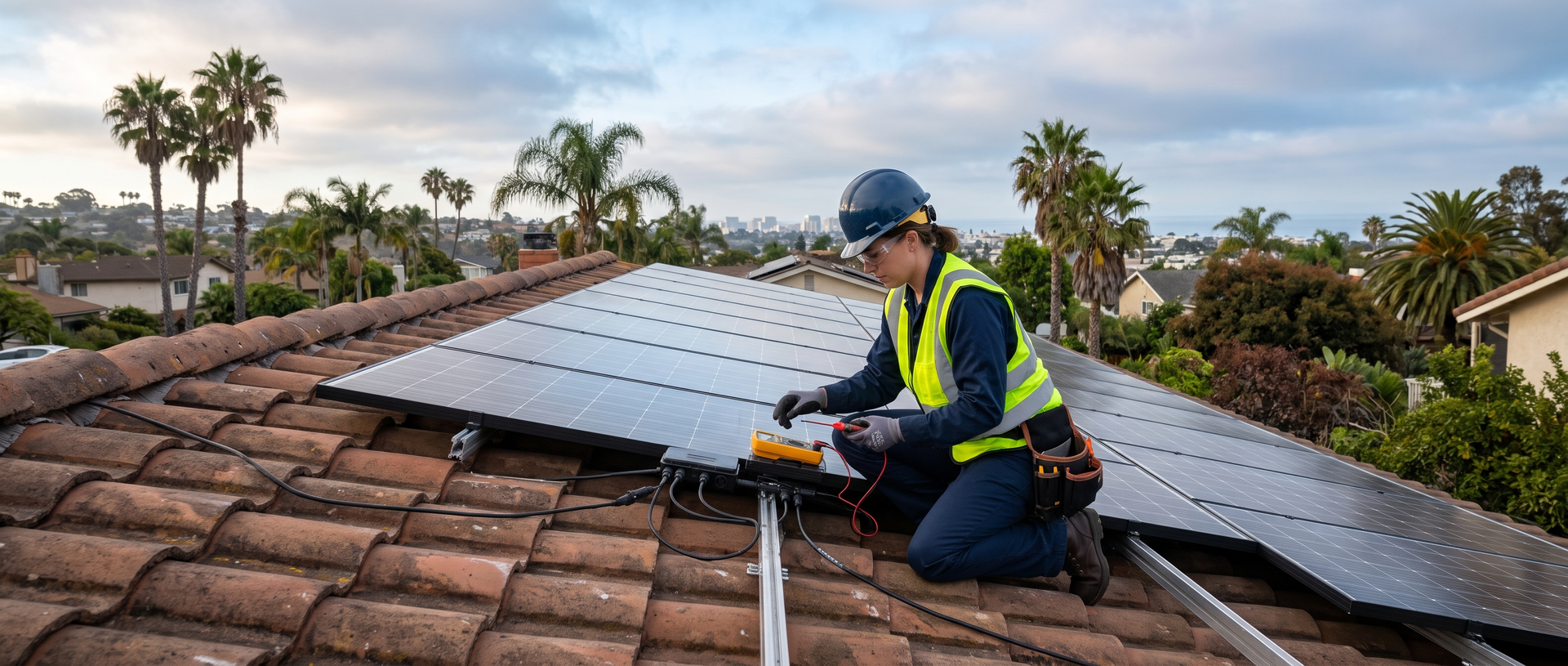
- Before installation: Your roof condition, shading, and electrical panel are reviewed. Permits, inspections, and SDG&E interconnection approval come before your system turns on.
- Month one: You start seeing export credits on your bill and production data in your monitoring app.
- First winter: Production dips with shorter days. Credits earned can roll forward to later months, though they can't cover fixed items like the Base Services Charge.
- Year one: Your annual true-up shows how the full year balanced out, sunny summer months included.
A note on incentives and rates: Federal tax credit rules for residential solar have changed recently, and utility rates and export pricing are updated over time. Verify current eligibility with a tax professional and confirm plan details with SDG&E.
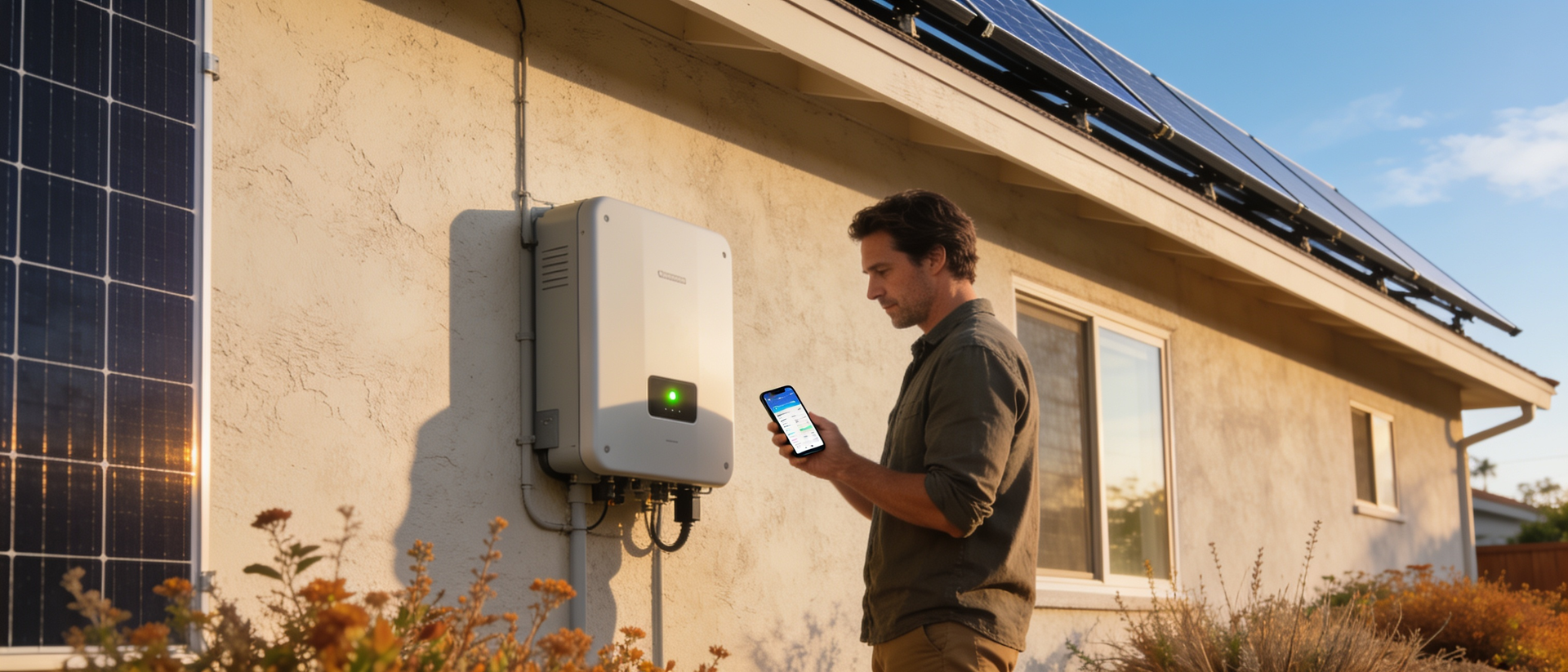
If questions come up after installation, Sunline Energy's system support and service team can help you read your bill and monitor performance.
Common Questions About Solar and Your SDG&E Winter Bill
Will solar lower my SDG&E bill during winter TOU rates?
Solar can lower your SDG&E bill in winter, but results depend on system size, roof exposure, and when you use power. Panels produce less on shorter days and stop before the 4 p.m. to 9 p.m. peak. A battery can help cover those evening hours.
Why is my SDG&E bill higher in winter even with solar?
Winter bills can rise with solar because days are shorter, holiday lighting and guests add usage, and evening peak hours arrive after panels slow down. Fixed charges like the Base Services Charge also can't be offset by export credits, so some bill usually remains.
Does a battery help with SDG&E winter on-peak hours?
Yes, a battery can help by storing midday solar energy and using it during the 4 p.m. to 9 p.m. on-peak window. That means buying less grid power when it's typically priced highest. How much it helps depends on your battery size and evening usage.
When are SDG&E winter on-peak hours?
On SDG&E's common time-of-use plans, on-peak hours run from 4 p.m. to 9 p.m. every day. The winter season runs from November 1 through May 31. Rate plans and pricing periods can change, so confirm your plan details on your SDG&E account.
A Clearer Winter Bill Starts With the Right Design
Solar can still lower your SDG&E bill in winter when the system matches how you live. If most of your use happens during the day, solar alone may go a long way. If your evenings are busy, adding storage helps you rely less on on-peak grid power.
The outcome to aim for is simple: fewer bill surprises and more confidence in every season. Know a neighbor asking the same question? Share Sunline Energy's referral program with them. When you're ready, request a solar quote built around your actual usage.
Ready to See What Solar Could Do for Your Winter Bill?
Talk with Sunline Energy about a solar and storage plan designed around your home, your SDG&E rate plan, and when your household actually uses energy.