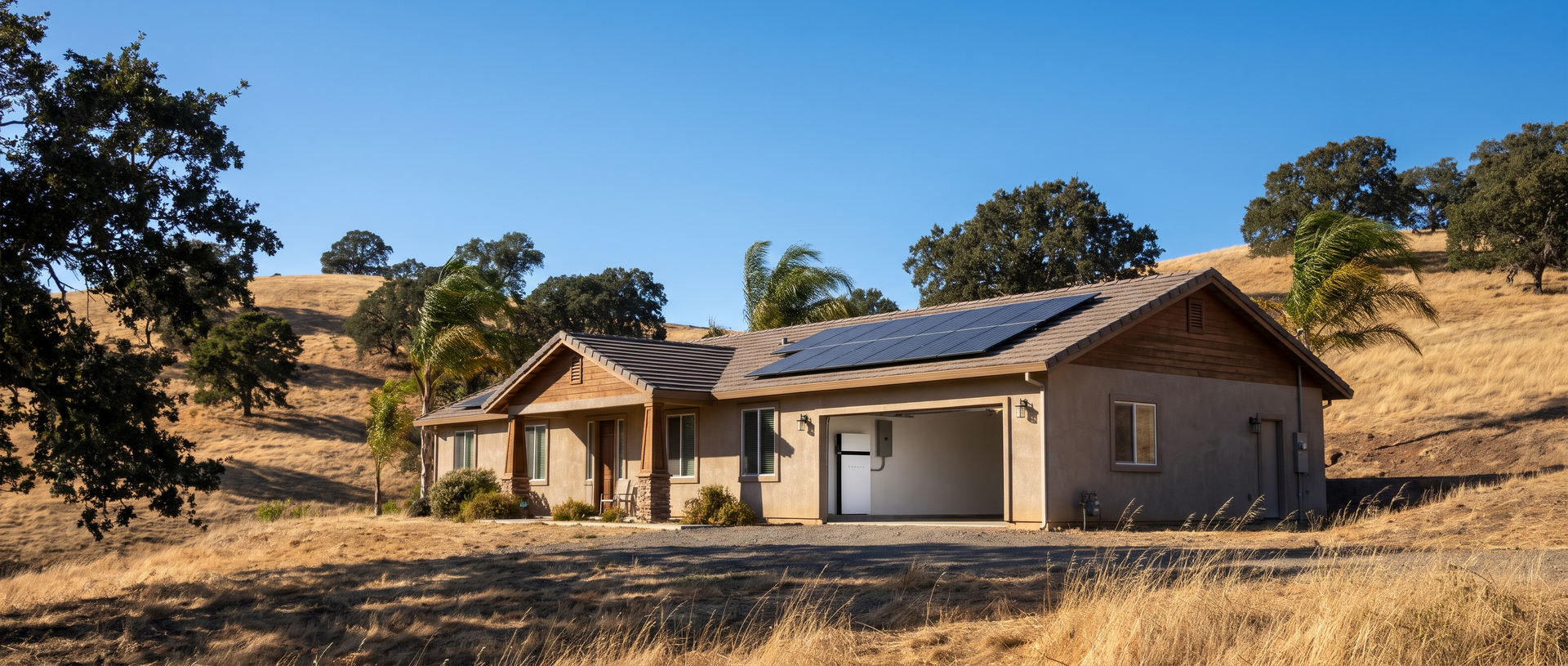

Solar panel repair in San Diego usually starts with a hunch. The bill credit looks smaller, the inverter light changed color, or a ceiling stain showed up after the first real storm.
Here's the thing: most solar problems are fixable, and many are smaller than they feel. The trick is diagnosing before replacing anything.
This guide walks through the warning signs, the paperwork worth finding, and what a careful repair process looks like for San Diego County homes.
Which Kind of Solar Problem Are You Dealing With?
Owners who call about repairs tend to fall into one of three groups. Knowing yours makes the first conversation much faster.
- The Quiet Dip. You might be someone who noticed production sliding over a few months. Nothing is flashing. It just feels like the system is working less hard than it used to.
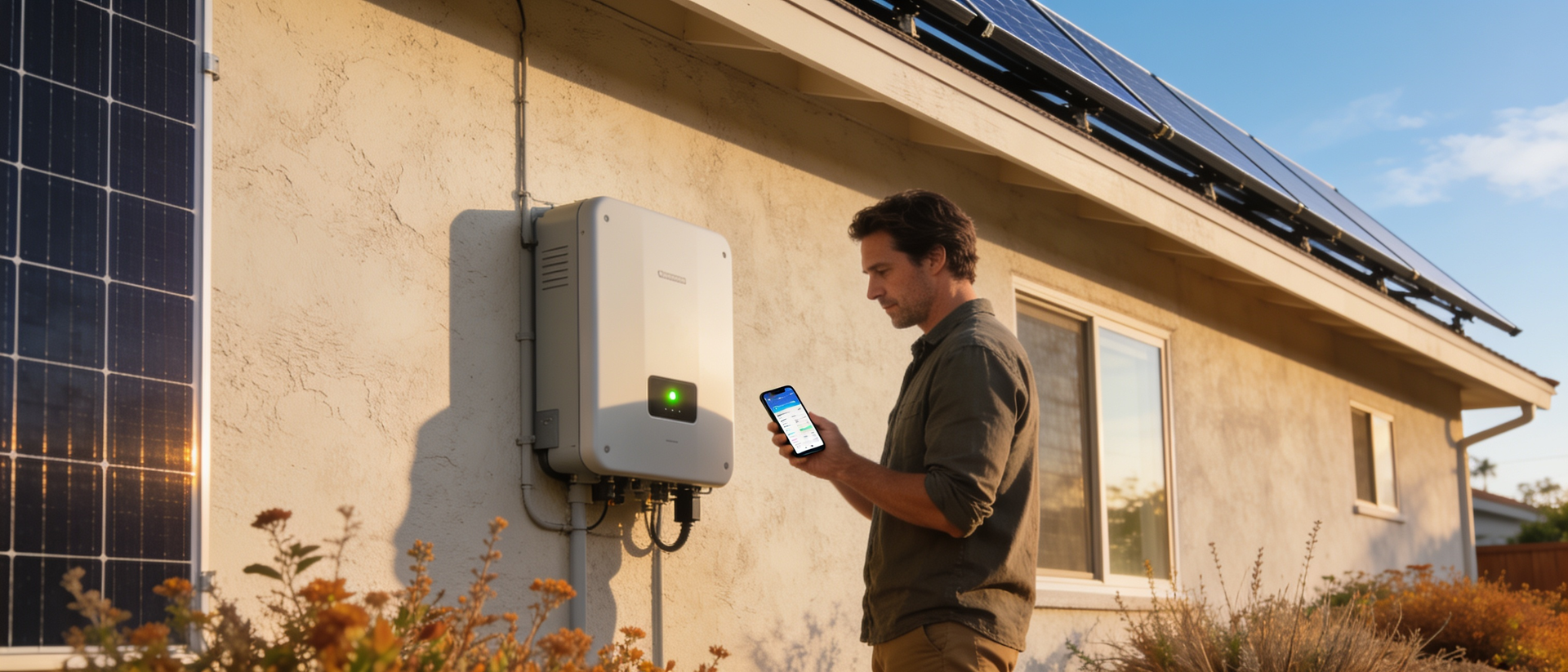
- The Red Light. Your inverter shows an error, the monitoring app went silent, or the system shut off during a hot afternoon. Owners in Escondido often see this during inland heat waves.
- The Roof Question. A leak, a nest of pigeons under the array, or a roofer telling you the panels must come off. Homes near the coast in Oceanside and Chula Vista see this pattern often.
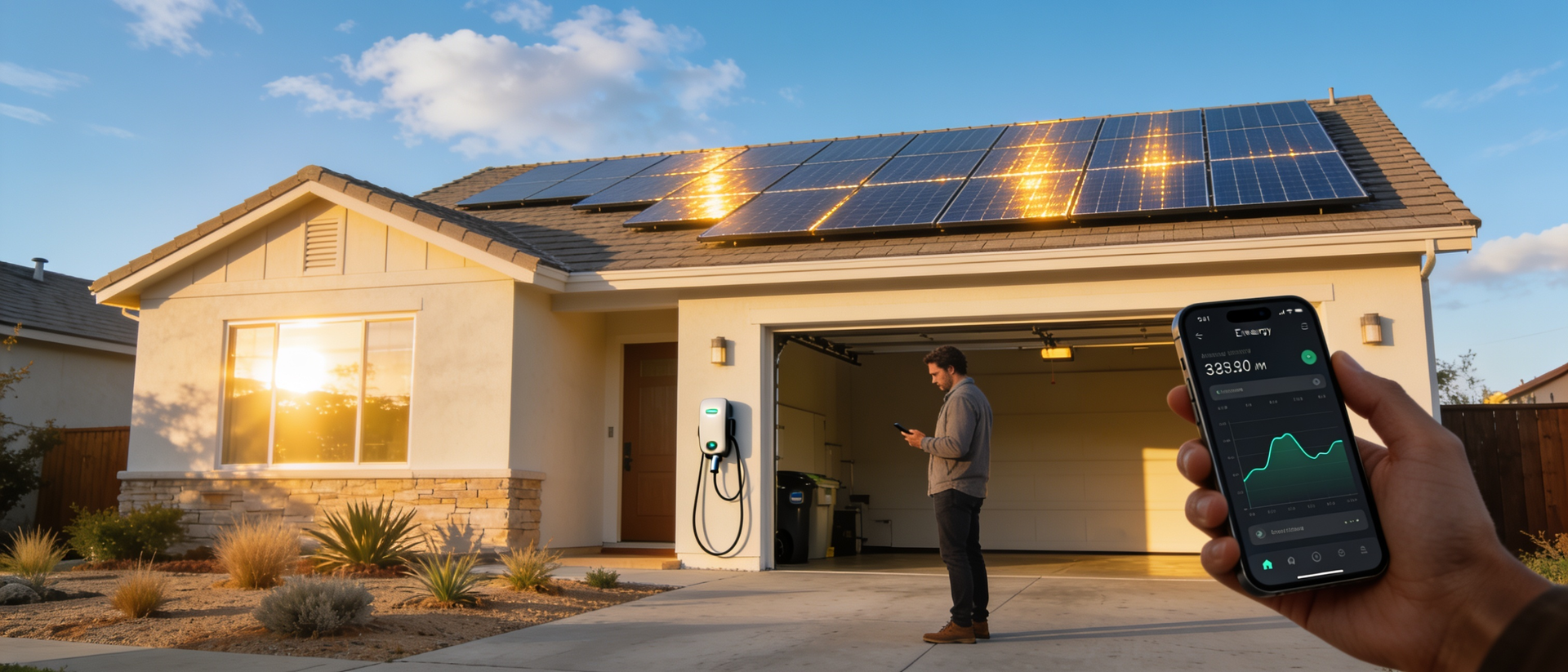
Picture a Saturday morning in Chula Vista. You open the app, coffee in hand, and the numbers look a little thin. That small moment of doubt is exactly when a calm, organized approach helps most.
Each group needs a different first step. It also helps to work with a team that handles roofing, electrical, and solar under one roof, since many problems cross those lines.
This matters for owners who want a clear starting point instead of a guessing game.
Matching the Symptom to the Right Next Step
A symptom is not a diagnosis. Still, certain patterns point toward certain kinds of service, and that keeps you from paying for the wrong fix.
{TABLE}Before you call anyone, a short self-check saves time:
- Screenshot your monitoring history for the last twelve months.
- Photograph any inverter error message or indicator light.
- Note when you first noticed the issue and what the weather was doing.
Notice that none of these rows starts with "replace the panels." Panels are durable. Connections, inverters, and roof details are where trouble usually lives.
If you are unsure which row fits, our overview of Sunline Energy's solar, battery, and roofing services shows the range of issues a single visit can cover.
What Solar Panel Repair in San Diego Actually Looks Like
Local weather can fool you. During May Gray and June Gloom, coastal systems often produce less for weeks. A seasonal dip under the marine layer is normal and is not, by itself, a sign of failure.
Other local patterns deserve a closer look. Santa Ana winds push dust and debris onto arrays each fall. Birds love the shaded gap beneath panels, and their nests can trap water and chew wiring.
A careful repair visit usually follows this rhythm:
- Review your monitoring history to separate weather from equipment issues.
- Inspect panels, wiring, connectors, inverter, and mounting from the ground up.
- Check roof penetrations and flashing anywhere water could enter.
- Confirm whether the fix requires a permit, inspection, or SDG&E notification.
- Complete the repair and verify production afterward.
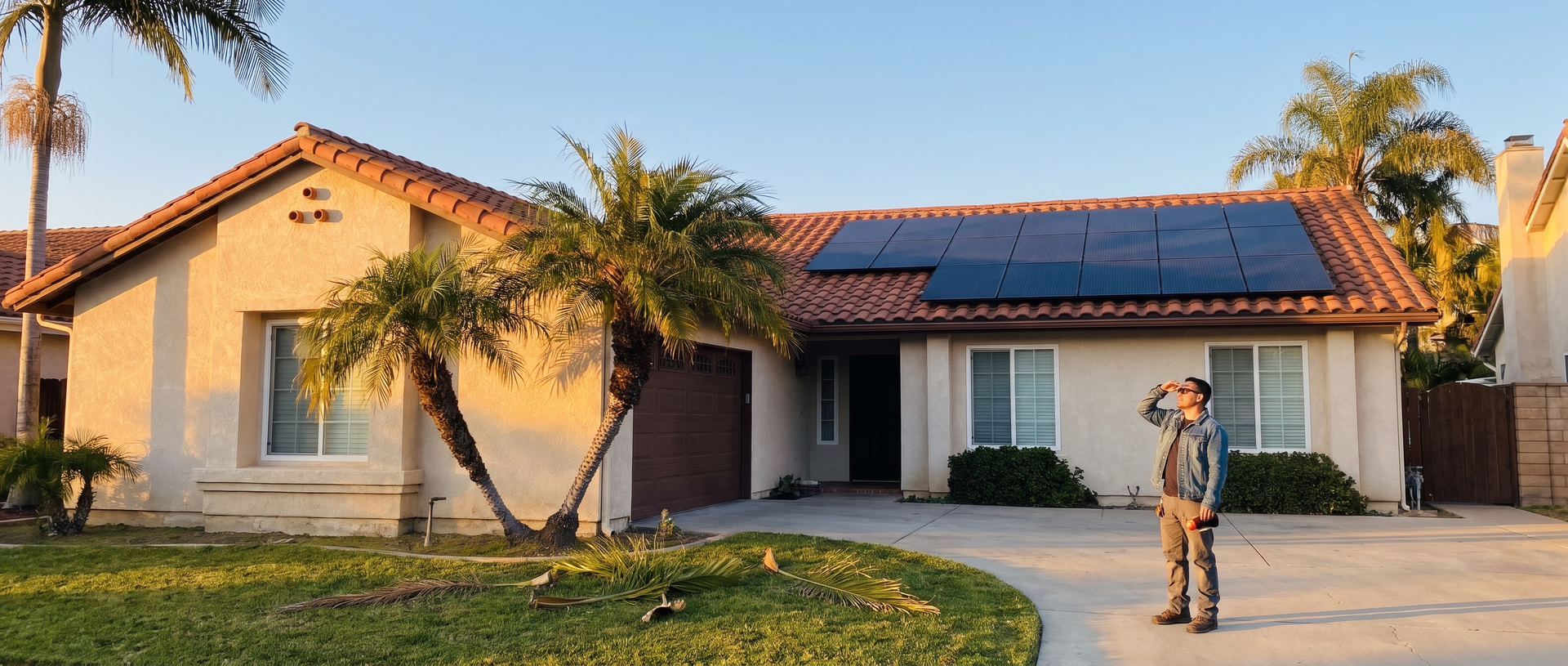
Please don't climb onto the roof to investigate yourself. Solar systems carry live voltage even when the inverter is off, and tile roofs crack easily underfoot.
Ownership Reality: Warranties, Permits, and Long-Term Care
Before you book anyone, gather your paperwork. Look for the original contract, the equipment list, and any manufacturer and workmanship warranty documents.
Those two warranty types work differently. Manufacturer warranties typically cover the equipment itself. Workmanship coverage, if you have it, comes from the installer. If your original installer is gone, the manufacturer coverage may still apply, so verify the terms before work begins.
Some repairs, especially equipment swaps, can require permits and inspections. Rules vary by city and change over time, so a good repair partner checks current requirements rather than assuming.
Homeowners comparing repair quotes often notice a difference in approach. Some start with parts. Others start with questions. In practice, the questions usually lead to the better outcome, because they reveal what actually changed.
Month one after a repair, you watch the app more than usual. By year three, the system fades into the background again. That's the goal. Our ongoing support team can help you set a simple check-in routine.
Key takeaway: Diagnose first, gather warranty documents second, and let the repair plan follow the evidence.
Common Questions About Solar Panel Repair in San Diego
{FAQ}Getting Your System Back to Quietly Doing Its Job
Solar panel repair in San Diego does not have to feel like a gamble. If the problem is a dip, start with data. If it's an error, call a qualified technician. If it involves the roof, inspect both together.
Once things are running smoothly, you might share the experience through our referral program. And whenever a question comes up, you can contact Sunline Energy for a straightforward answer.
Ready to Find Out What Your System Needs?
Talk with Sunline Energy about a clear diagnosis and a repair plan built around your home, your roof, and your equipment.