
Seeing a solar production drop in your monitoring app this September can feel alarming, especially in a place like San Diego where sunny days are the norm. Before assuming something is broken, it helps to know what's typical for the season versus what actually needs attention.
This guide walks through what a September dip usually means, what to check first, and when it's worth reaching out to Sunline Energy for a closer look.
What Kind of Solar Homeowner Are You Right Now?
Not everyone reacts to a lower number the same way, and it helps to know which situation fits you. Some homeowners check their monitoring app almost every morning out of habit, so a dip stands out right away.
Others just had their system installed this year. This is their first fall season, and they don't have last September's numbers to compare against yet.
Then there are longtime owners across San Diego, Chula Vista, Escondido, and Oceanside who've watched their production for years and can usually sense when something feels off versus routine. Sunline Energy, which has designed and installed solar systems for homeowners throughout the region, hears from all three types every fall.
Reading Your App: What a September Dip Usually Means
Your monitoring app is giving you real data, but the number by itself doesn't tell the whole story. How the drop happened, gradual or sudden, usually matters more than how big it is.
| If Your App Shows This | It Often Means | What To Do Next |
|---|---|---|
| A small, gradual dip since August | Normal seasonal changes in daylight and sun angle | Compare it to last September, not last month's summer peak |
| A sudden drop over a day or two | A tripped breaker, inverter fault, or new shading | Check the inverter status light and look for shade or debris on the panels |
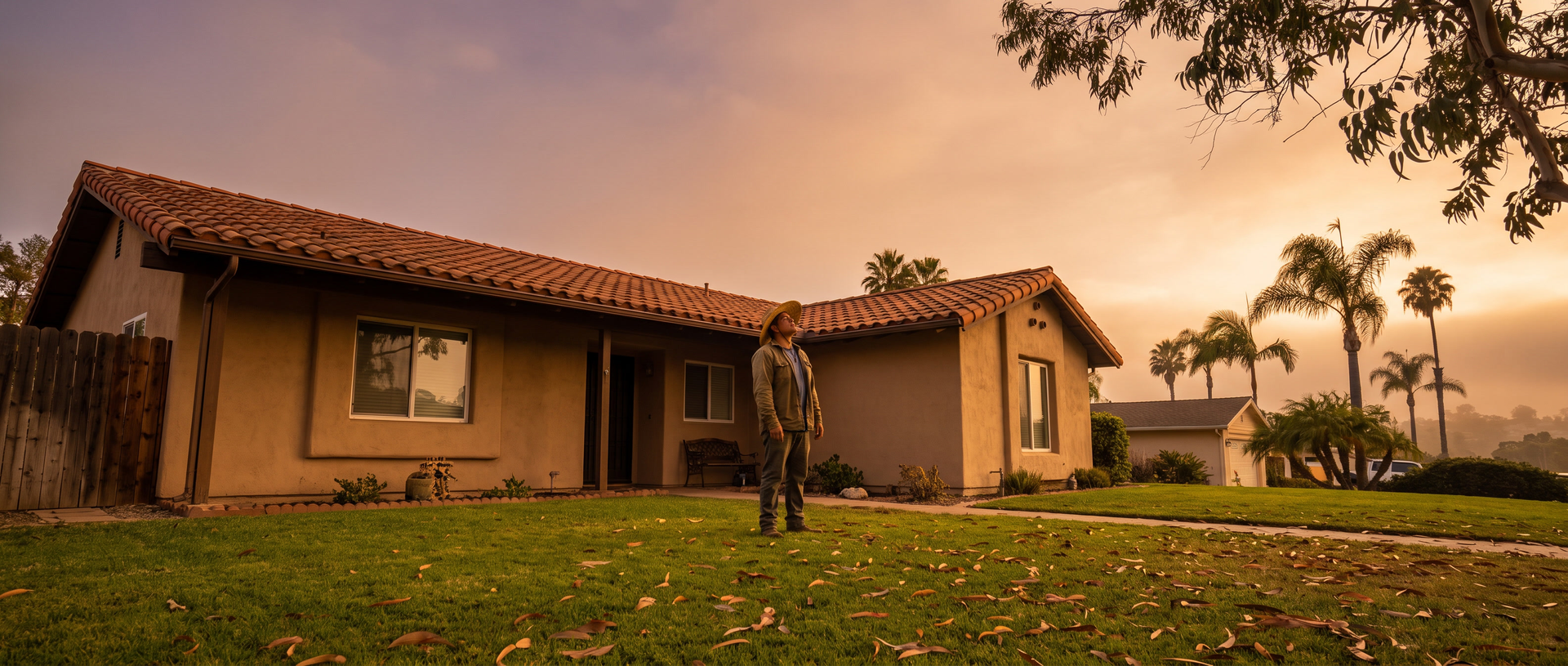
| Visible dust, pollen, or wildfire ash on the panels | Reduced light reaching the cells after a dry summer | Consider having the panels cleaned |
| Zero or near-zero production | A monitoring or Wi-Fi outage, or a system shutdown | Rule out a connectivity issue first, then contact Sunline Energy if it persists |
If you're not sure which row matches what you're seeing, Sunline Energy's support team can help you read your app's history and figure out which pattern applies.
Why September Hits Solar Production Differently in San Diego
San Diego's marine layer tends to clear earlier as summer turns to fall, but shorter days and a lower sun angle usually cancel out that extra clarity. Inland areas like Escondido often see hotter, drier air this time of year, which can kick up dust during Santa Ana wind events. Coastal spots like Oceanside sometimes deal with lingering haze instead.
A steady, gradual dip that roughly matches last year's numbers is rarely a sign of a broken system. It's not the most exciting explanation, but it's usually the correct one.
What deserves more attention is a change that doesn't match your own system's history, whether that's a sharp one-day drop or a pattern that looks nothing like last September.
What Happens Next: A Realistic Timeline
If the dip looks seasonal, the most useful first step is comparing this September to last September, not to last month's summer peak. By the second or third week, most homeowners either see production level off as daylight and sun angle settle into their fall pattern, or they notice something that clearly doesn't match, which is the cue to look closer.
Heading toward winter, systems across the Sunline Energy service area typically settle into a cooler-season rhythm. Homeowners who've been through a full year with their system usually stop worrying about the month-to-month swings altogether.
Common Questions About Solar Production Drops in San Diego
Why did my solar production suddenly drop in September?
A sudden drop usually points to a tripped breaker, an inverter fault, or new shading rather than the season itself. Check your inverter's status light and look for shade from trees, dust, or wildfire haze before assuming the system has a lasting problem.
Is a drop in solar output normal for San Diego homeowners in the fall?
Yes, a gradual dip is normal as days shorten and the sun sits lower in the sky heading into fall. Homeowners across San Diego, Chula Vista, Escondido, and Oceanside typically see this same seasonal pattern repeat every year.
How do I know if my solar panels need cleaning?
Visible dust, pollen, or ash on the panels after a dry San Diego summer is a good sign cleaning could help. If production stayed steady until a specific week and nothing else changed, buildup on the panels is often the simplest explanation.
What should I do if my solar app shows zero production?
First confirm it's a monitoring or Wi-Fi outage rather than the panels themselves, since the app can lose its connection without the system actually stopping. If production truly reads zero after checking connectivity, contact Sunline Energy so a technician can take a closer look.
The Bottom Line on Your September Numbers
A September dip in your solar production is usually the season changing, not the system failing. If the drop is gradual and matches last year's pattern, you likely don't need to do anything at all.
If it's sudden, or your app shows zero, that's worth a closer look from someone who can read the data with you. Contact Sunline Energy and we're glad to help you figure out which one you're dealing with, and if a neighbor ever asks about your system, our referral program is worth mentioning too.