
Solar inverter errors are one of the most common things San Diego homeowners notice right after a stretch of triple-digit days. If your monitoring app flagged a fault or your production dipped during the hottest part of the summer, you're probably wondering whether it's serious or just the system protecting itself. Here's what's usually behind it, and how to tell the difference.
Which Homeowner Are You?
Most people checking on a solar inverter error fall into one of three situations.
The Just-Noticed-It homeowner opened the app after a heat wave and saw a fault icon for the first time. The Repeat-Alert homeowner has seen the same warning pop up more than once, especially on the hottest afternoons in Escondido or Chula Vista. The Production-Dip homeowner hasn't seen an actual error, just noticeably lower output on the days they needed it most.
Each of these points to a different next step, which is exactly what the solar systems Sunline Energy designs are built to handle: identifying whether a shutdown is protective, temporary, or worth a closer look.
Matching Your Symptom to What's Actually Happening
Before assuming the worst, it helps to match what you're seeing to the most likely cause. Inverters are engineered with layers of built-in protection, and most heat-related alerts are that protection doing its job.
| If Your Inverter Is Doing This | It Likely Means | What To Do |
|---|---|---|
| Fault or overheat alert during peak afternoon heat | Built-in thermal protection paused production | Usually no action needed if it clears once temps drop |
| Lower output on hot days, no fault code shown | Normal power derating as components run warmer | Common on 95°F+ days, especially inland; recheck after it cools |
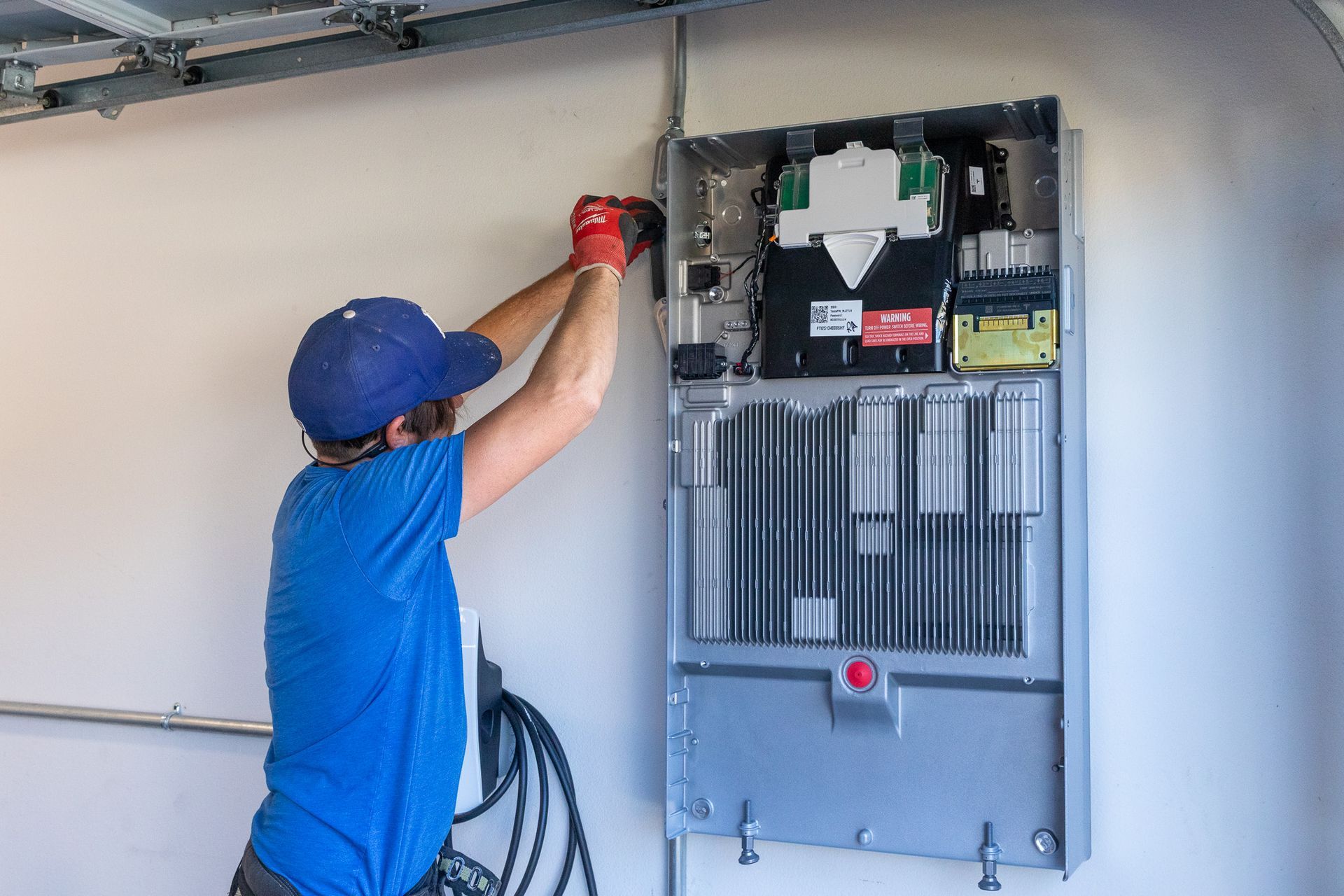
| Inverter fan running constantly or louder than usual | Ventilation working harder to manage rising heat | Check that nearby vents or airflow aren't blocked by dust or debris |
| Fault codes keep returning or system won't restart after cooling | Possible wiring, connection, or component issue | Worth a professional inspection rather than waiting it out |
If you want to dig into what a specific code means for your system, Sunline Energy's support resources are a good place to start before assuming the worst.
Why This Shows Up More in Some San Diego Neighborhoods
Geography matters here. Inland areas like Escondido and eastern Chula Vista regularly run hotter than coastal neighborhoods near Oceanside, where the marine layer takes the edge off summer afternoons. An inverter mounted in an unvented garage or attic runs even hotter than the outdoor air temperature suggests.
It's not flashy, but the fix is usually simple: good airflow around the equipment matters more than most homeowners expect. Santa Ana wind events can also kick up dust that settles into vents and slightly reduces airflow over time.
This is why homes with inverters tucked into tight, poorly ventilated spaces tend to see more heat-related alerts than homes where the unit has room to breathe.
What Ownership Looks Like After an Alert Like This
In the days right after a heat wave, most homeowners just want confirmation the alert cleared and production is back to normal. Checking the app once temperatures ease is usually enough.
Over the following summers, the pattern that matters most is repetition. One isolated fault after a record-hot day is very different from the same fault showing up every few weeks. That's the kind of thing worth flagging to Sunline Energy's in-house team, since ongoing support and inspection is part of owning a solar system, not just the installation itself.
Eligibility for any service visit, and whether an issue is covered under an existing agreement, depends on your specific system and should be confirmed directly with Sunline Energy rather than assumed from this article.
Common Questions About Solar Inverter Errors in San Diego
Why does my solar inverter show an error after a hot day in San Diego?
Most inverters include a built-in thermal protection feature that pauses production when internal temperatures climb too high, which is common on ninety-degree-plus afternoons in inland San Diego areas like Escondido. Production typically resumes once the unit cools, often within an hour or two.
Is it normal for solar production to drop during a heat wave?
Yes, some drop in output during extreme heat is normal, since solar equipment, including panels and inverters, runs less efficiently as temperatures rise. A modest dip on the hottest San Diego days is not usually a sign of a problem.
Should I call for service the first time my inverter shows a fault code?
Not necessarily. If the fault clears on its own once the day cools down, that's typically the system's protective response working as intended, not a failure. Repeated or ongoing fault codes are a better reason to request a professional inspection.
Can I prevent heat-related inverter errors in San Diego?
You can't control the weather, but keeping the area around your inverter clear of dust and debris and making sure airflow isn't blocked can help it manage heat more effectively, particularly for units in garages or attics near Chula Vista and Oceanside.
The Bottom Line
A solar inverter error after a hot San Diego summer is usually the system protecting itself, not a sign it's failing. If an alert clears once temperatures drop, that's a good outcome. If it keeps coming back, that's your cue to get it looked at rather than guess.
Curious how Sunline Energy designs systems with San Diego's heat in mind, or want to pass along your experience to a neighbor? Check out the Sunline Energy Referral Program, or reach out directly if your inverter keeps flagging the same issue.
Ready to Take the Next Step?
Talk with Sunline Energy about a solution designed around your property and energy goals.