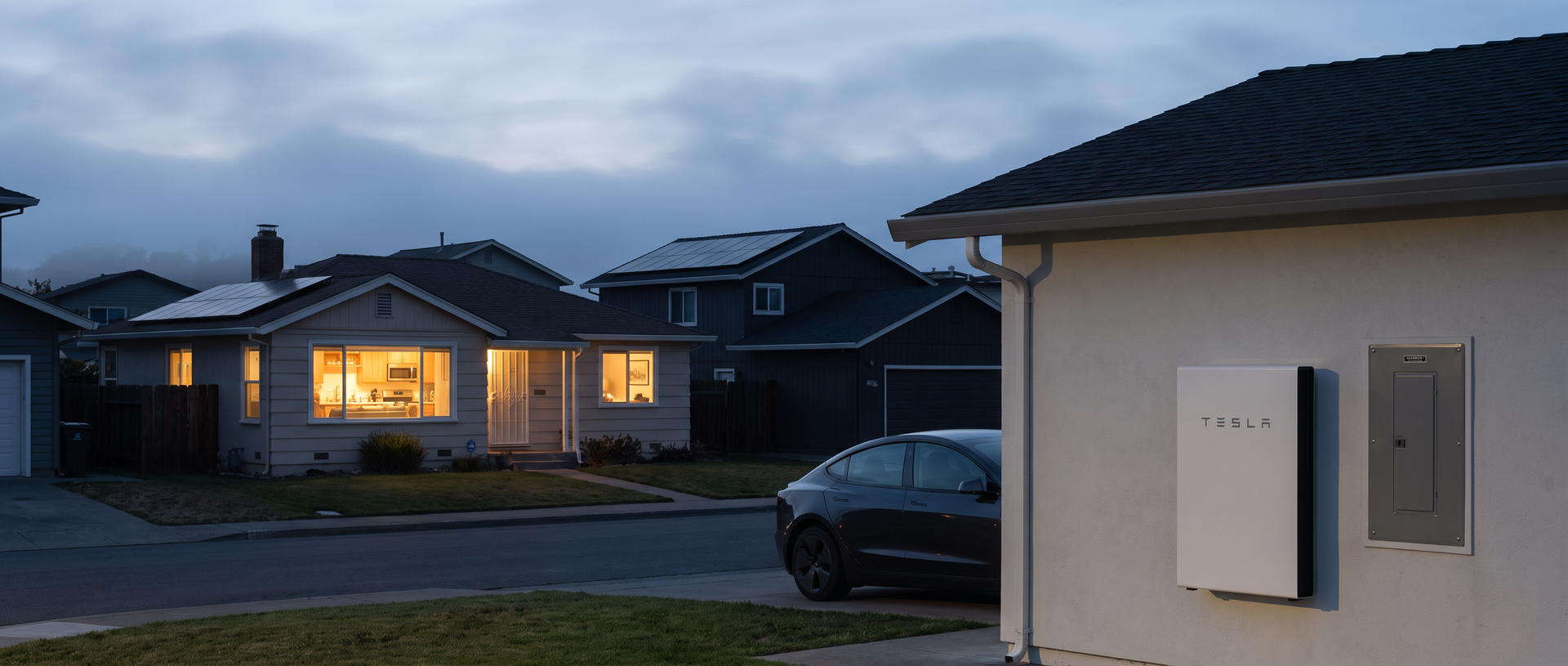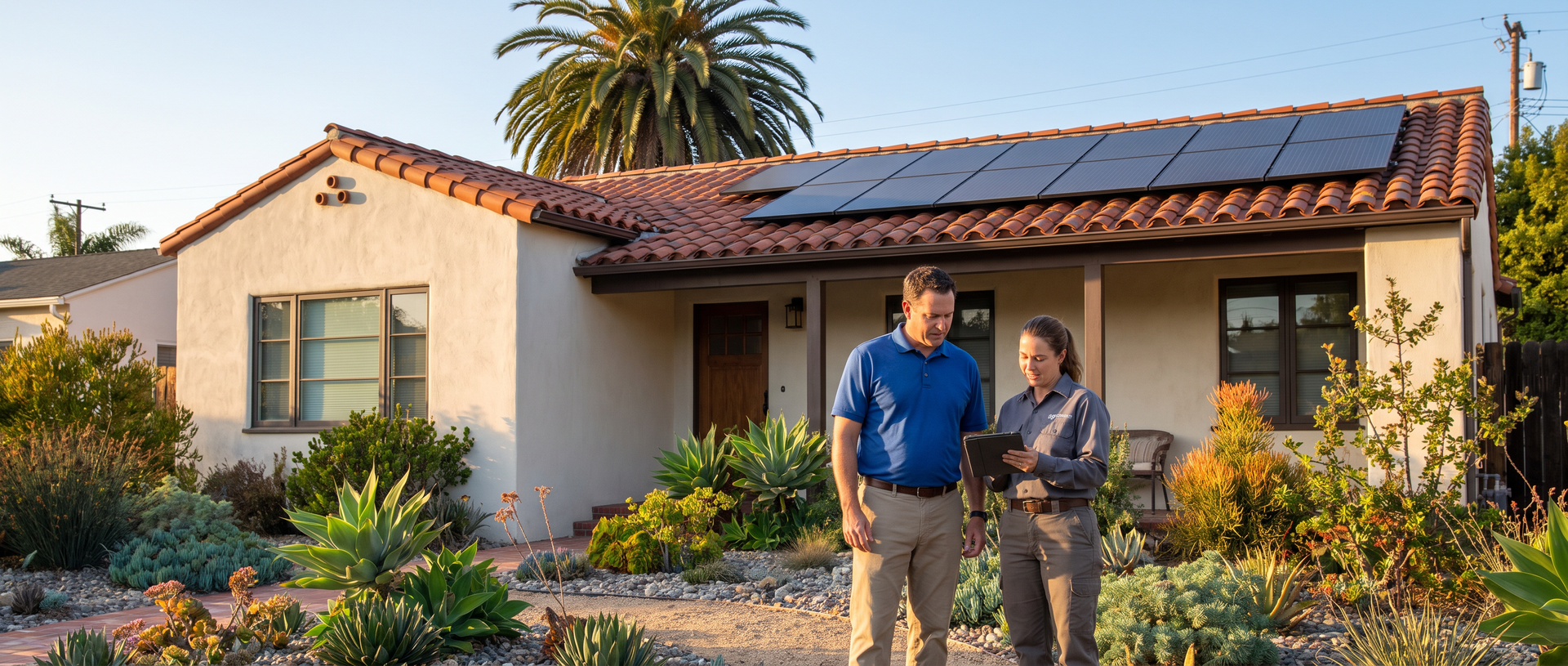

If you already have solar panels, it's easy to assume you're covered when the power goes out. That's not always true. Across San Diego, fall brings dry Santa Ana winds and a higher chance of Public Safety Power Shutoffs, and most grid-tied solar systems shut off automatically during those events without a solar battery backup in place. This guide explains why that happens, how battery storage changes the picture, and what to weigh before outage season arrives.
Which Type of Solar Homeowner Are You?
Homeowners weighing a solar battery backup usually fall into one of three groups. The first wants only the essentials covered: refrigerator, WiFi, and enough outlets to ride out a shutoff without added stress. The second wants closer to whole-home independence, especially if someone in the household relies on medical equipment or works from home.
The third group isn't ready to decide yet. They're still learning how their existing solar system behaves during an outage and want a clearer picture before committing to anything.
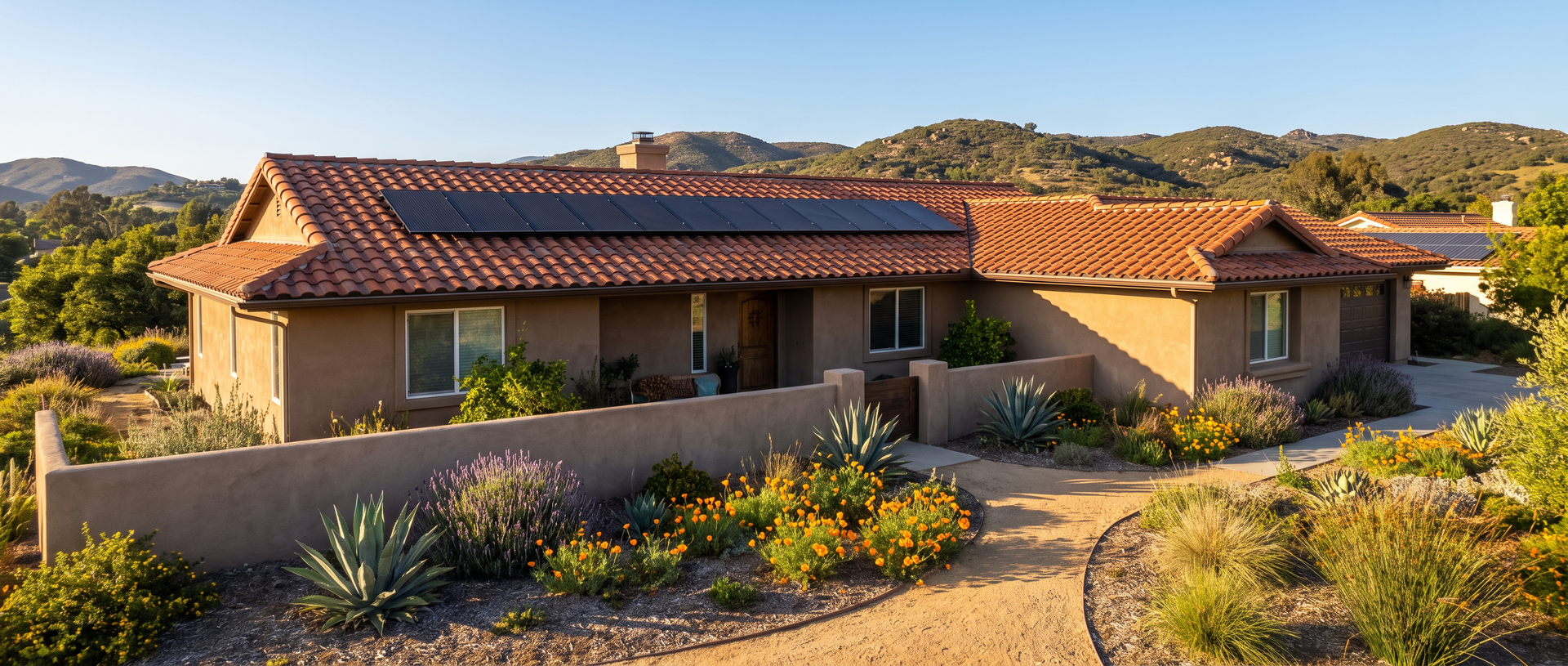
This pattern shows up across San Diego County, from coastal neighborhoods to the fire-prone canyons around Escondido and the inland areas near Chula Vista and Oceanside. Where you live, and how exposed your area is to Public Safety Power Shutoffs, often shapes which group you fall into. You can learn more about how Sunline Energy approaches home energy planning on the About Us page.
Matching Battery Backup to How You Actually Use Power
There isn't one battery configuration that fits every home. The right one depends on what you actually need powered when the grid goes down, not just what sounds impressive on paper.
| If You're This Buyer | Consider This | Why It Fits |
|---|---|---|
| Want basics covered during a shutoff | A smaller backup configuration | Keeps the fridge, WiFi, and a few outlets running without paying for capacity you won't use |
| Work from home or support medical equipment | A larger battery configuration | Provides more sustained coverage for equipment that can't go without power |
| Have solar but no battery yet | A backup assessment first | Confirms what your current system can and can't do before adding equipment |
Sizing a battery correctly starts with understanding your household's actual energy use, not a generic estimate. Sunline Energy's in-house team can walk through that with you, and homeowners who refer friends or neighbors can also look into the Referral Program once they've gone through the process themselves.
What This Looks Like During an Actual Shutoff
Santa Ana wind events typically pick up in San Diego County between September and December, and they're the main trigger for Public Safety Power Shutoffs. Homes in higher fire-risk zones, including parts of Escondido and the canyon communities scattered through the region, tend to see these shutoffs more often than flatter, coastal areas.
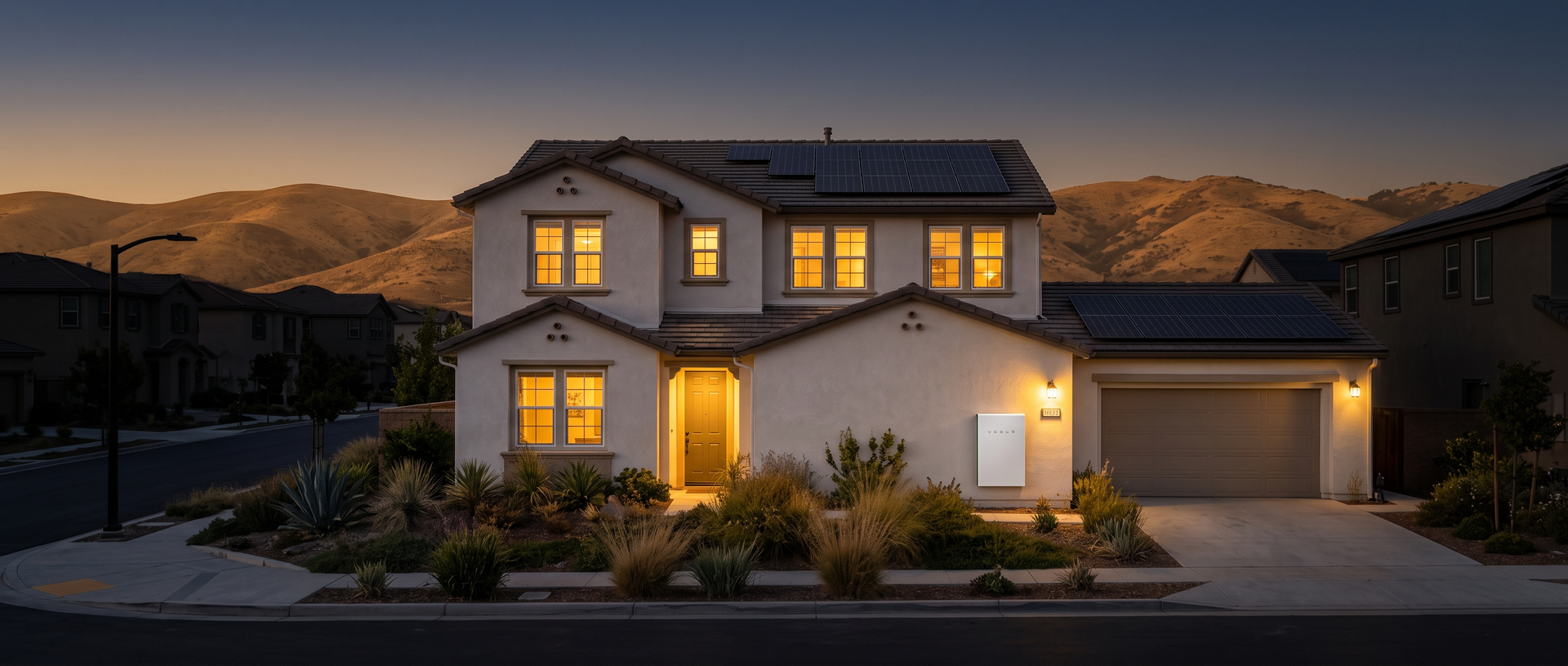
Solar panels alone don't power your home during a grid outage. That surprises a lot of people. It's a safety requirement, not a flaw, since utility crews need to know the lines are dead before they can safely make repairs.
A battery changes that by storing energy your panels already produce, so it's available when the grid isn't. It's not a fix for every scenario, but for homes that lose power multiple times a fall season, it changes what those evenings actually look like.
Living With a Battery Long After Installation
Adding a battery to an existing solar system is a bigger decision than picking a size and moving on. It's worth understanding what ownership actually looks like over time.
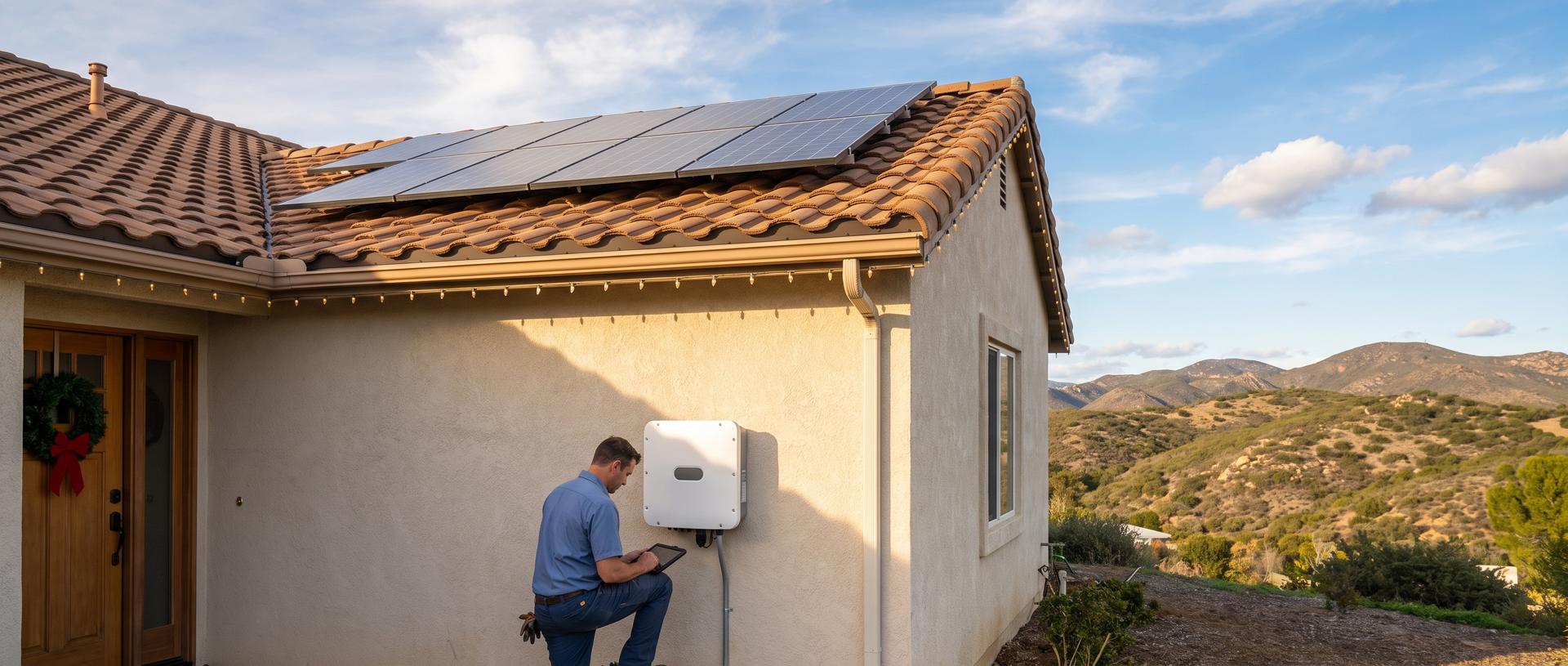
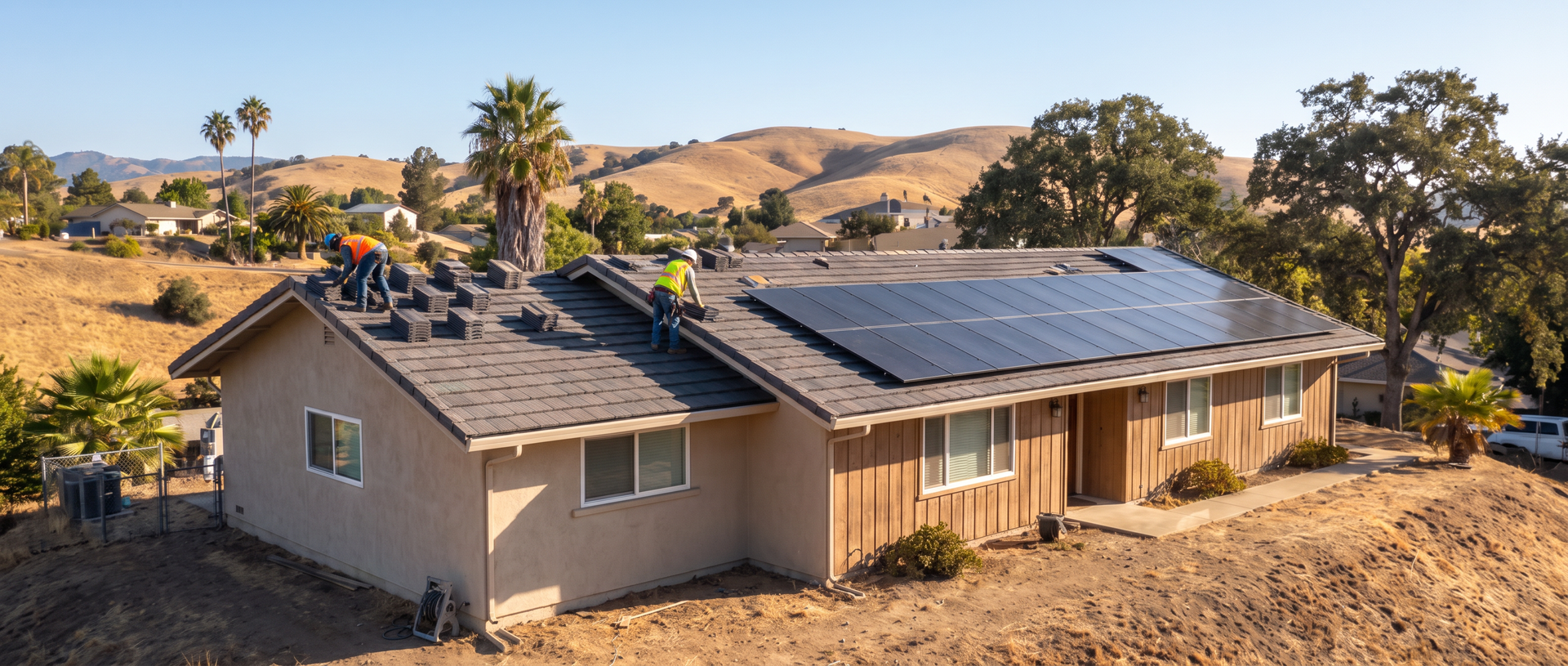
Month one usually involves a site assessment, permitting, and coordination with your utility for interconnection, since battery systems need proper approval before they're activated. By year one, most homeowners have been through at least one outage event and have a real sense of how their configuration performs.
By year three, routine maintenance and system checks become part of normal upkeep rather than something to think about often. Reliability depends on proper installation and ongoing support, which is part of why in-house design and service matter. If questions come up along the way, Sunline Energy's Support team is the place to start.
Common Questions About Solar Battery Backup in San Diego
Will a solar battery keep my whole house running during a PSPS event?
It depends on the battery's size and what you choose to back up. Many San Diego homeowners prioritize essentials like refrigeration, WiFi, and a few outlets rather than powering the entire house, which keeps the system sized to actual need.
Why does my solar system shut off during a power outage if I don't have a battery?
Grid-tied solar systems are required to shut off during outages so utility crews can safely work on the lines. Without stored energy from a battery, your panels can't power your home even though the sun is still out.
How long does it take to add a battery to an existing solar system in San Diego?
Timelines vary based on permitting, utility interconnection, and site conditions, so it's best addressed during a site assessment. Homes in Chula Vista, Escondido, and Oceanside can all have different requirements depending on the local utility process.
Is it too late to add a battery before this fall's outage season?
It depends on your area's permitting timeline and current installation schedules, so the sooner you start the assessment, the more options you'll likely have. A conversation with Sunline Energy can help clarify what's realistic for your specific home.
Bringing It All Together
If you already have solar and want fewer dark evenings during fall's shutoff season, a properly sized battery is worth a real conversation. If you're still deciding, a site assessment can clarify what your home actually needs before you commit to anything. Either way, understanding how your system behaves during an outage now beats finding out during one. Visit Sunline Energy or reach out through Support to start that conversation.