
If you are researching solar installation permits in San Diego County, you probably want one honest answer: how much of this lands on your plate? Less than you might fear. Permits are a normal, manageable part of going solar here.
That said, a few details can shape your design and schedule. This guide explains who reviews your system, what inspectors look for, and how SDG&E approval fits in, so nothing catches you off guard.
Which Permit Path Fits Your Home?
Think of every solar project as passing three green lights: a permit, a local inspection, and utility approval. How quickly you reach each one depends mostly on your property.
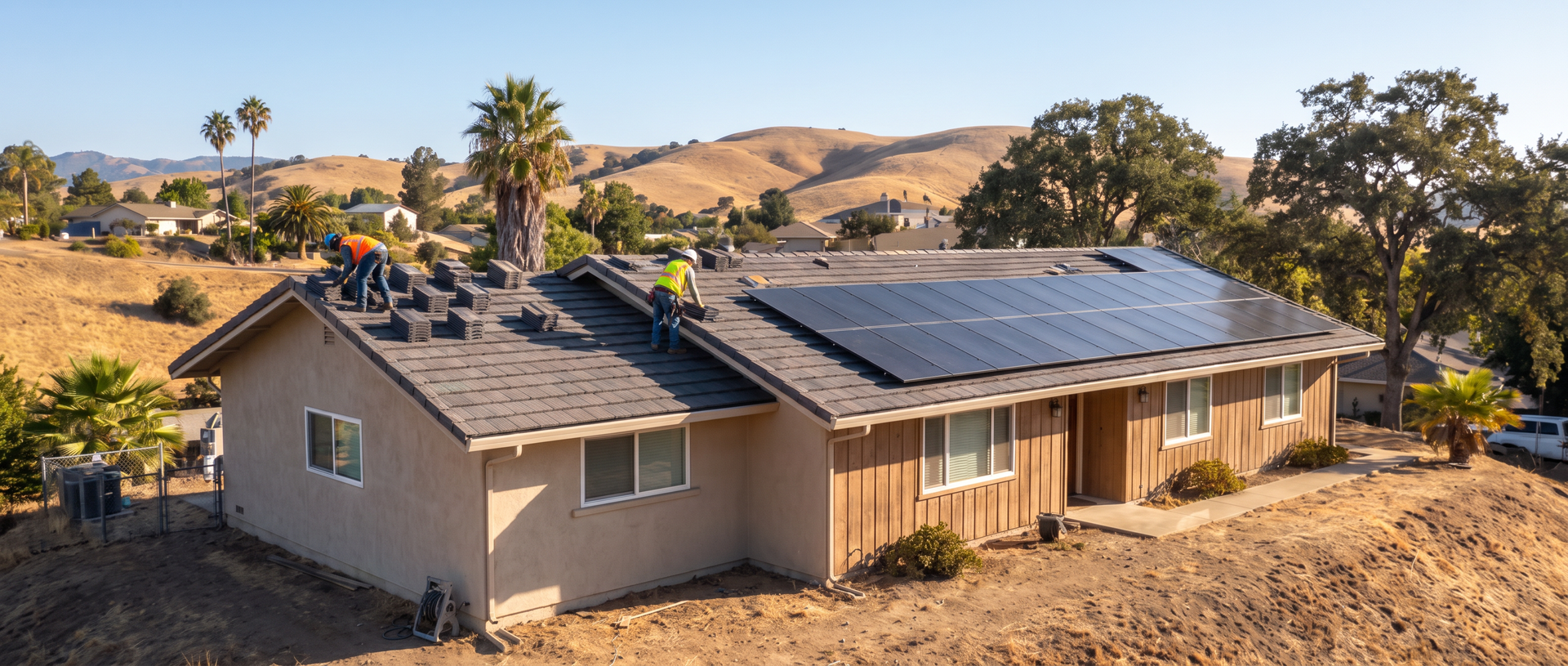
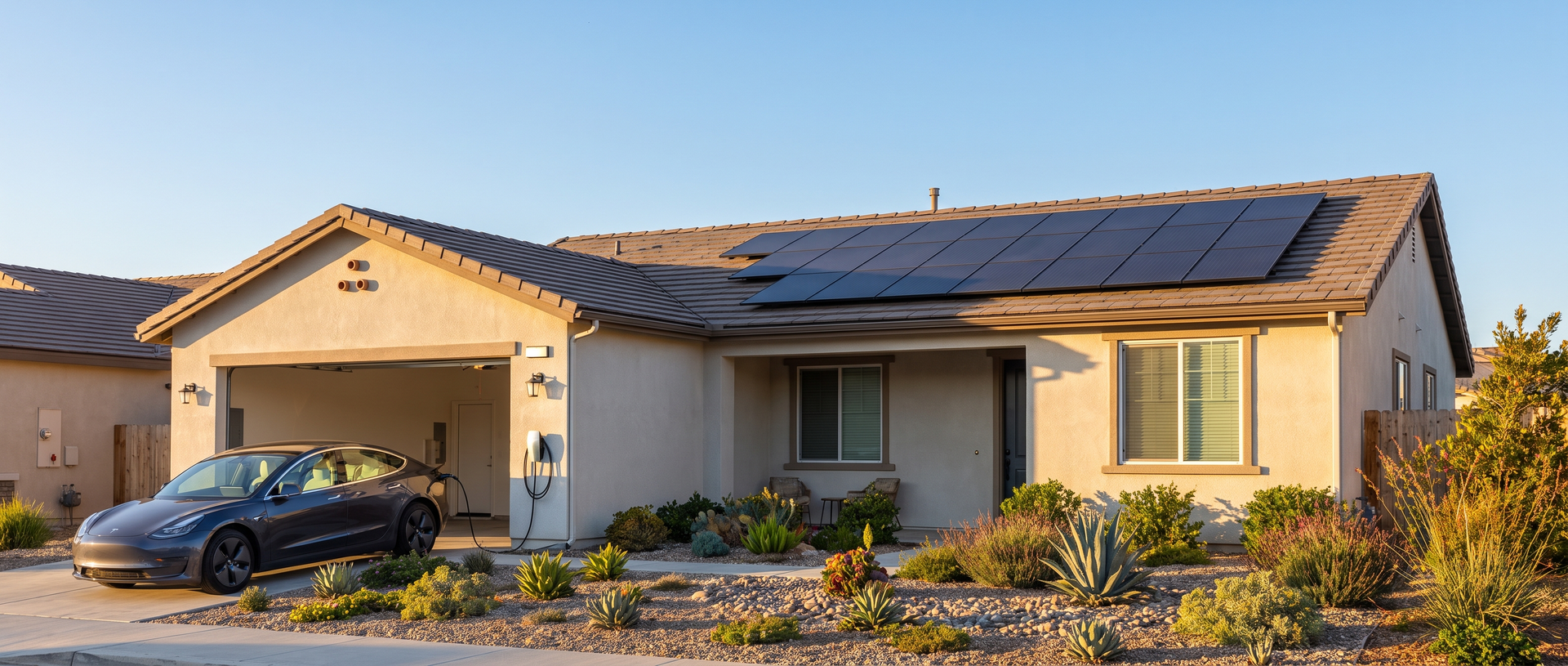
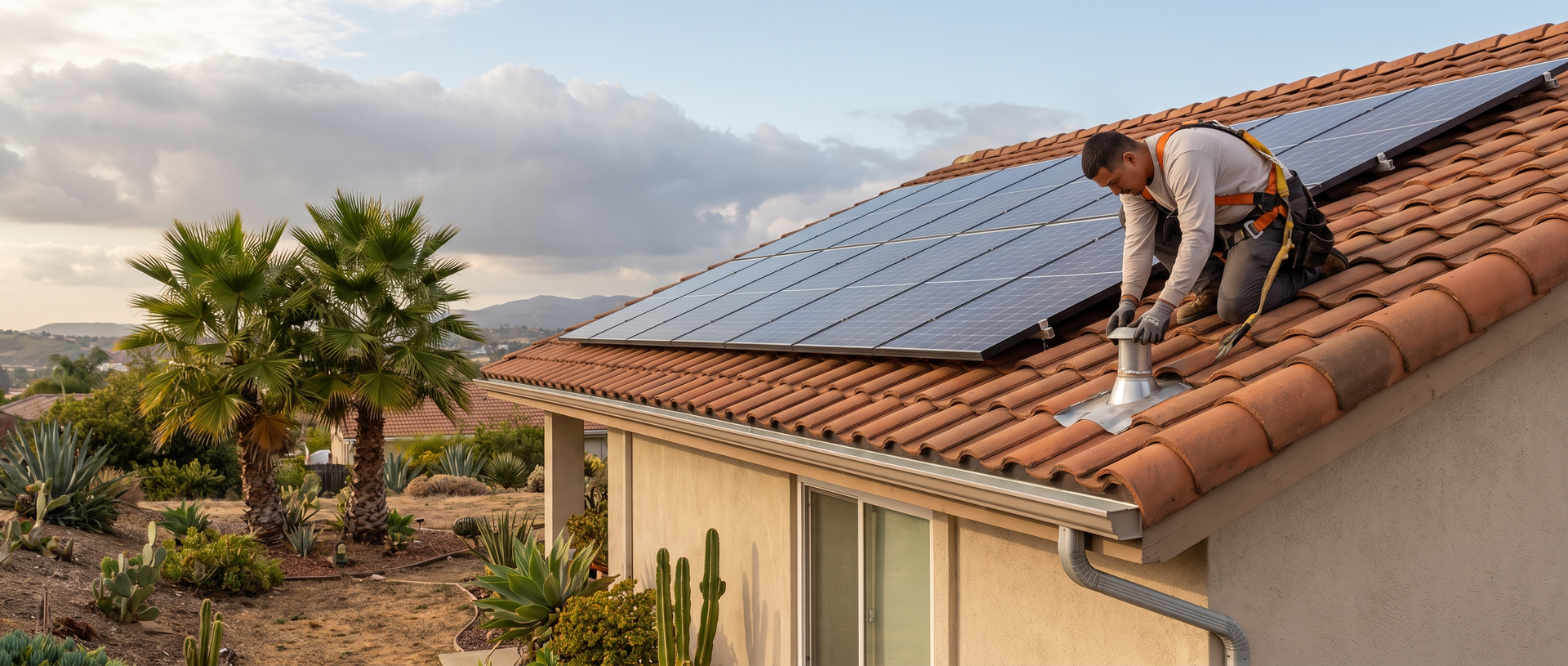
The Straightforward Roof. You might be someone with a single-family home, a sloped roof in good condition, and a typical rooftop system. Many jurisdictions now offer streamlined or automated online permitting for projects like this.
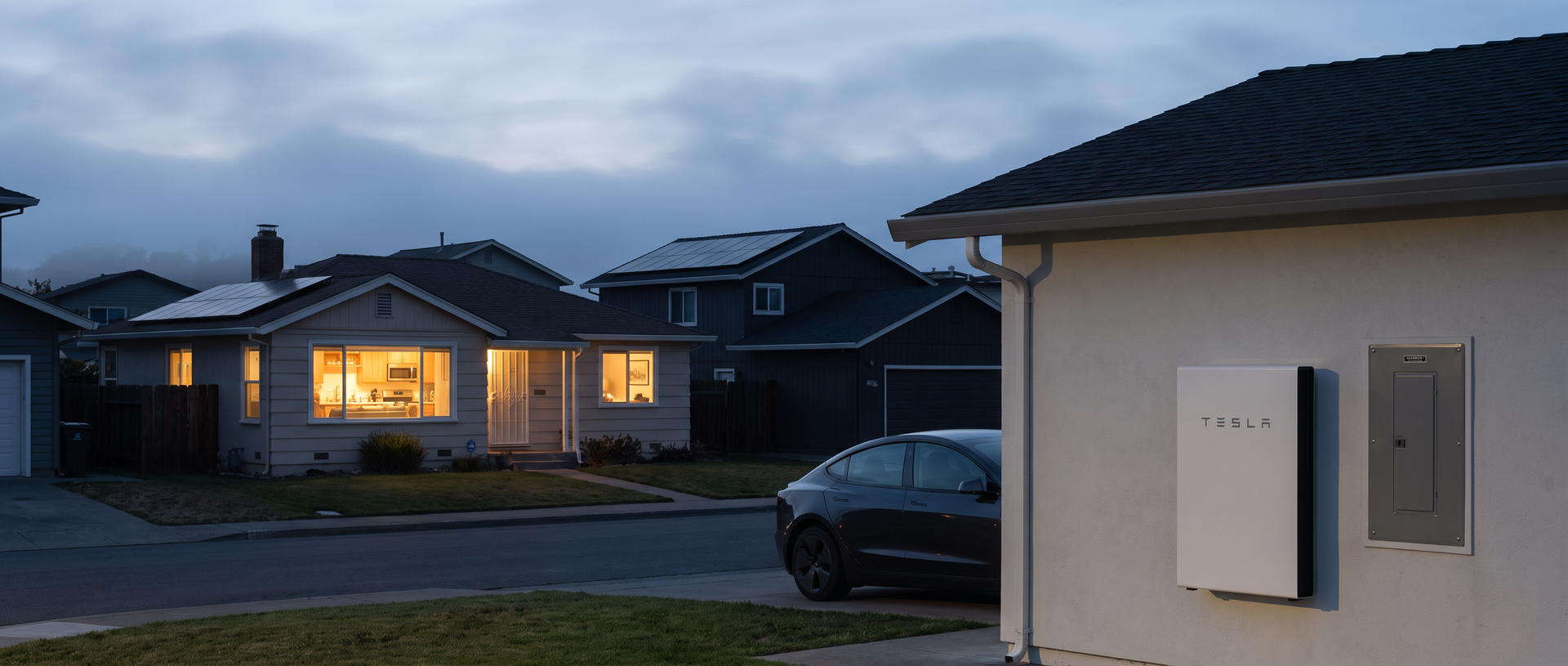
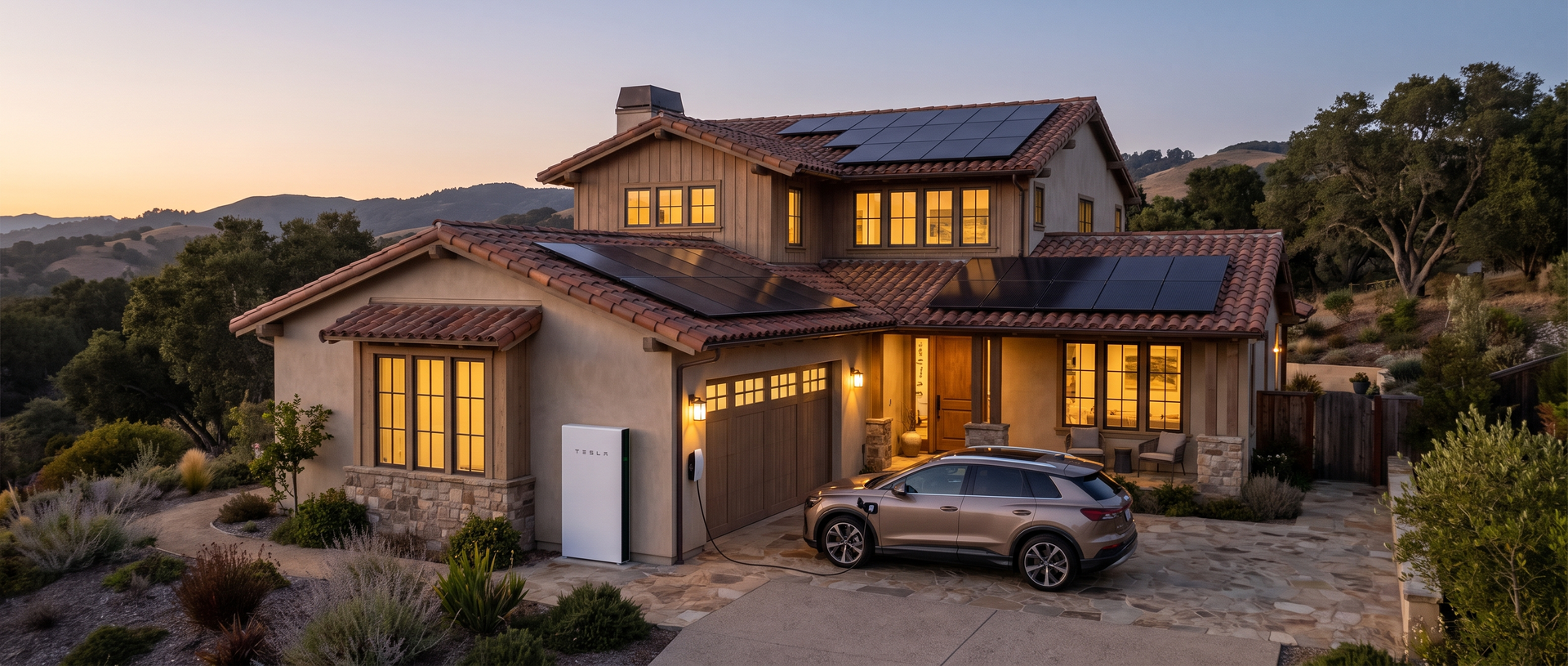
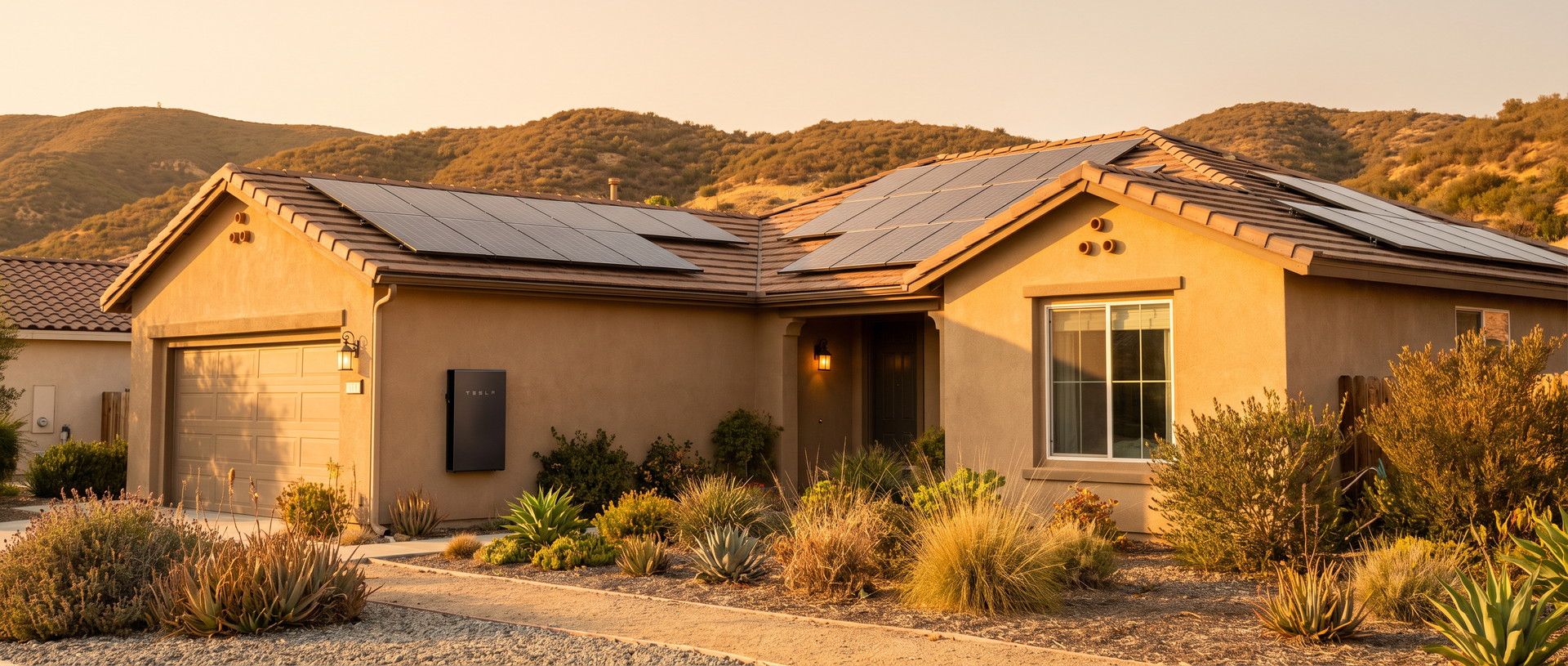
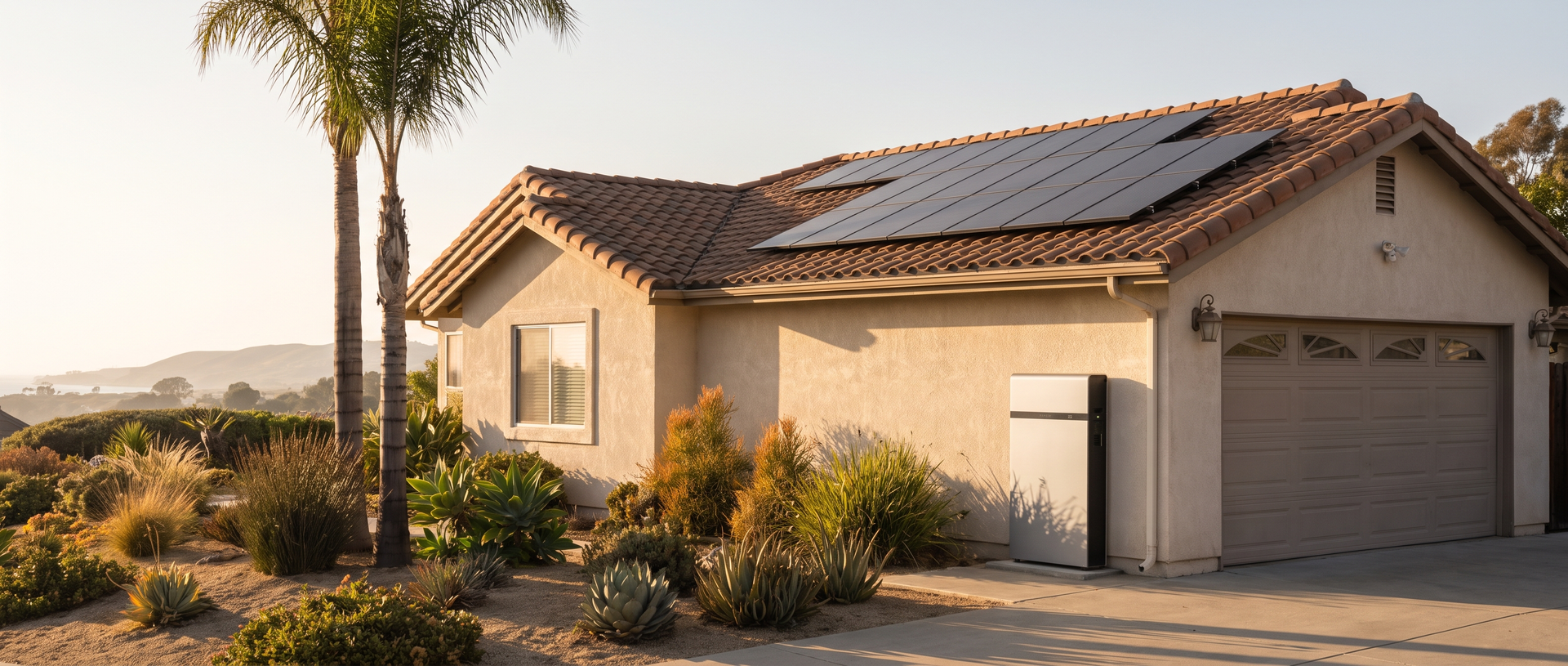
The Upgrade Bundle. You might be adding a home battery, an electrical panel upgrade, or EV charging at the same time. These can often be included in the same application, but they add detail to the plans.
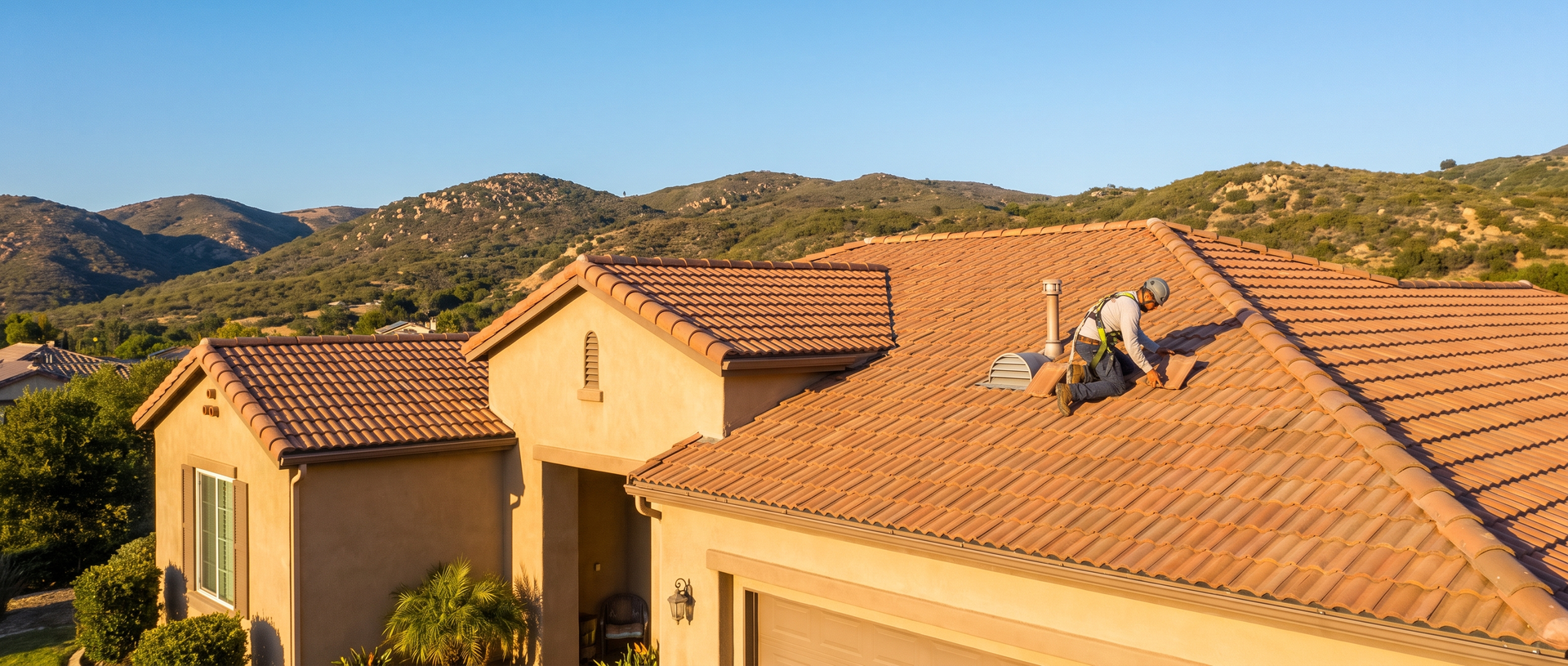
The Special Case. Maybe you have an older tile roof in Escondido, a property under HOA review in Chula Vista, or a ground-mounted array on acreage. Expect closer review and a bit more planning.
This matters because knowing your path early lets an experienced team like Sunline Energy's in-house engineering and installation crew plan around it from day one.
Matching Your Project to the Right Permit Approach
Who issues your permit depends on your address. Homes inside San Diego city limits go through the city's Development Services Department. Chula Vista, Escondido, and Oceanside each run their own building departments, while unincorporated areas are handled by County of San Diego Planning & Development Services.
| If Your Project Looks Like This | Expect This Permit Approach | Why It Fits |
|---|---|---|
| Standard rooftop solar on a single-family home | Streamlined or automated online permit, where offered | Fewer review steps, so installation planning can start sooner |
| Solar plus a battery or panel upgrade | One application with added electrical details | A single coordinated process instead of a second project later |
| Roof needs structural work | Building or combination permit with structural review | Roof and system are approved to work together long term |
| Ground mount, flat roof, or backcountry parcel | Fuller plan review, possibly zoning or fire review | Site issues get resolved before work begins |
Requirements and eligibility for streamlined permits vary by jurisdiction and change over time, so your installer should confirm current rules for your address. To see the full range of services Sunline Energy offers, visit the Sunline Energy homepage.
How Local Conditions Shape Your Solar Permit
Here is the thing: permits are not just paperwork. They reflect real safety rules that affect where panels can go on your roof.
- Fire access pathways. California Fire Code requires clear pathways and ridge setbacks so firefighters can work on your roof. This can reduce usable roof space, which is why careful layout matters.
- Roof condition. Inspectors and engineers look at how panels attach and whether the roof can carry them. Tile roofs and aging shingles may need attention first.
- Wildfire and brush areas. Inland and backcountry properties may face added zoning or brush management review.
- Coastal exposure. Salt air near the coast is a good reason to choose equipment and hardware suited to the environment.
- HOA review. California's Solar Rights Act generally limits unreasonable HOA restrictions on solar, but most associations still expect an application. Check your HOA's process early.
Key insight: Most permit delays come from plans that do not match the site, not from the permit office itself. A thorough site visit and accurate drawings prevent the majority of back-and-forth corrections.
It is not the exciting part of solar. But it is the part that keeps your system safe for decades.
From Solar Installation Permits in San Diego County to Permission to Operate
Homeowners are often surprised that the city or county inspection is not the finish line. SDG&E runs its own approval process. A typical sequence looks like this:
- Design and documents. Your installer surveys the site and prepares plans that meet local code.
- Permit and utility application. The permit is filed with your jurisdiction, and an interconnection application is submitted to SDG&E through its online portal.
- Installation. Work begins once the permit is issued and SDG&E clears its initial review.
- Local inspection. A city or county inspector checks the installed system.
- Utility review. After the inspection passes, the release goes to SDG&E, which may perform its own field inspection.
- Permission to Operate. SDG&E sends written approval. Only then should the system be switched on.
Waiting on that final email can feel slow when your panels are already on the roof. That pause is normal. Billing plan rules, incentives, and program details also change, so verify what applies to your home when you sign up.
Years later, keep your permit records handy. Adding panels, a battery, or EV charging may require new permits and utility review. If questions come up after installation, Sunline Energy's support team can help you sort out next steps.
Common Questions About Solar Installation Permits in San Diego County
Do I need a permit for solar installation in San Diego County?
Yes. Rooftop and ground-mounted solar systems require a permit from the city or county that has jurisdiction over your address. Many standard rooftop projects qualify for streamlined online permitting, while systems needing structural changes or special review usually take longer to approve.
Who applies for solar installation permits in San Diego County, me or my installer?
In most cases, your licensed solar contractor prepares the plans, submits the permit, and schedules inspections. Automated permitting platforms are typically limited to registered licensed contractors. You may still need to sign a few documents or handle HOA approval yourself.
Can I turn on my solar panels after the city inspection passes?
No. Passing the local inspection is only one step. SDG&E must still complete its review and send Permission to Operate. Turning on a grid-connected system before that approval is not allowed and could create safety, billing, or compliance issues for your home.
Does adding a home battery change the solar permit process in San Diego County?
Usually it adds detail rather than a separate process. Many jurisdictions let batteries and panel upgrades be included with the solar permit, though plans must show the added equipment. SDG&E's interconnection application also needs to accurately reflect the battery and its setup.
Moving Forward With Confidence
Permits sound intimidating, but they mainly protect you, your roof, and the grid. If your roof is straightforward, the process is often simpler than expected. If your project has more moving parts, careful planning keeps it predictable.
Either way, the goal is the same: a safe, approved system you can enjoy without second-guessing. Have questions first? Contact Sunline Energy. Already a happy customer? Learn about the Sunline Energy referral program.
Ready to Take the Next Step?
Talk with Sunline Energy about a solar system designed around your property, your local permit requirements, and your energy goals.