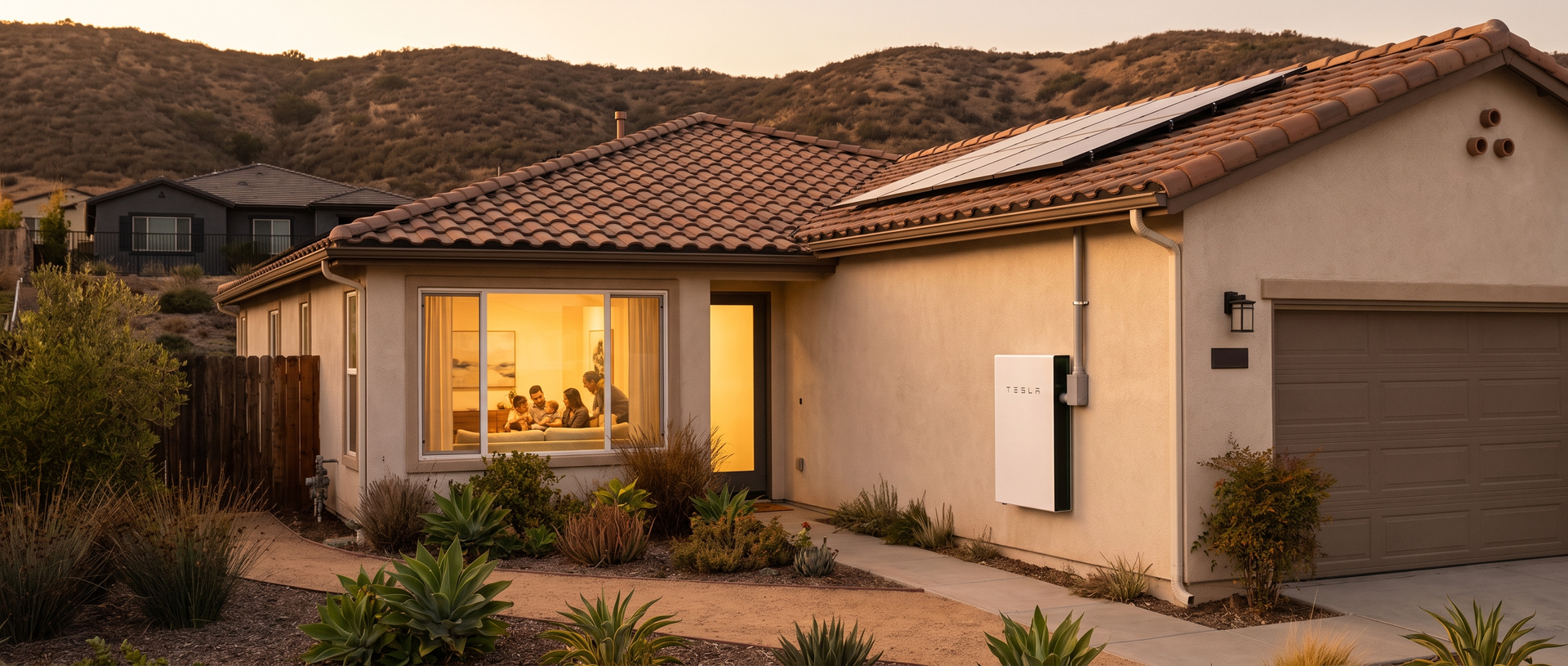

If you're searching for the best time to install solar in San Diego, you're probably feeling some calendar pressure. Fall arrives, the holidays start filling the schedule, and it's easy to assume October is the last good window.
It isn't. Below, we'll walk through what actually changes after October, what doesn't, and how to decide when solar and a home battery make sense for your property.
Quick answer: October is not a cutoff. Solar and battery systems can be installed year-round in our mild climate. The timing factors that matter most are your roof's condition, permitting and SDG&E interconnection, and what you want the system to do for you.
Which Kind of Fall Homeowner Are You?
Most people asking this question land in one of three camps. Knowing yours makes the timing decision much simpler.
- The Bill Watcher. A summer SDG&E bill was the last straw. Your goal is to be producing and storing your own power before next summer's 4 to 9 p.m. peak hours come back around.
- The Roof Planner. Your roof is getting older, and you'd rather handle roofing and solar once. Homeowners in Escondido and Oceanside often find these belong in the same conversation.
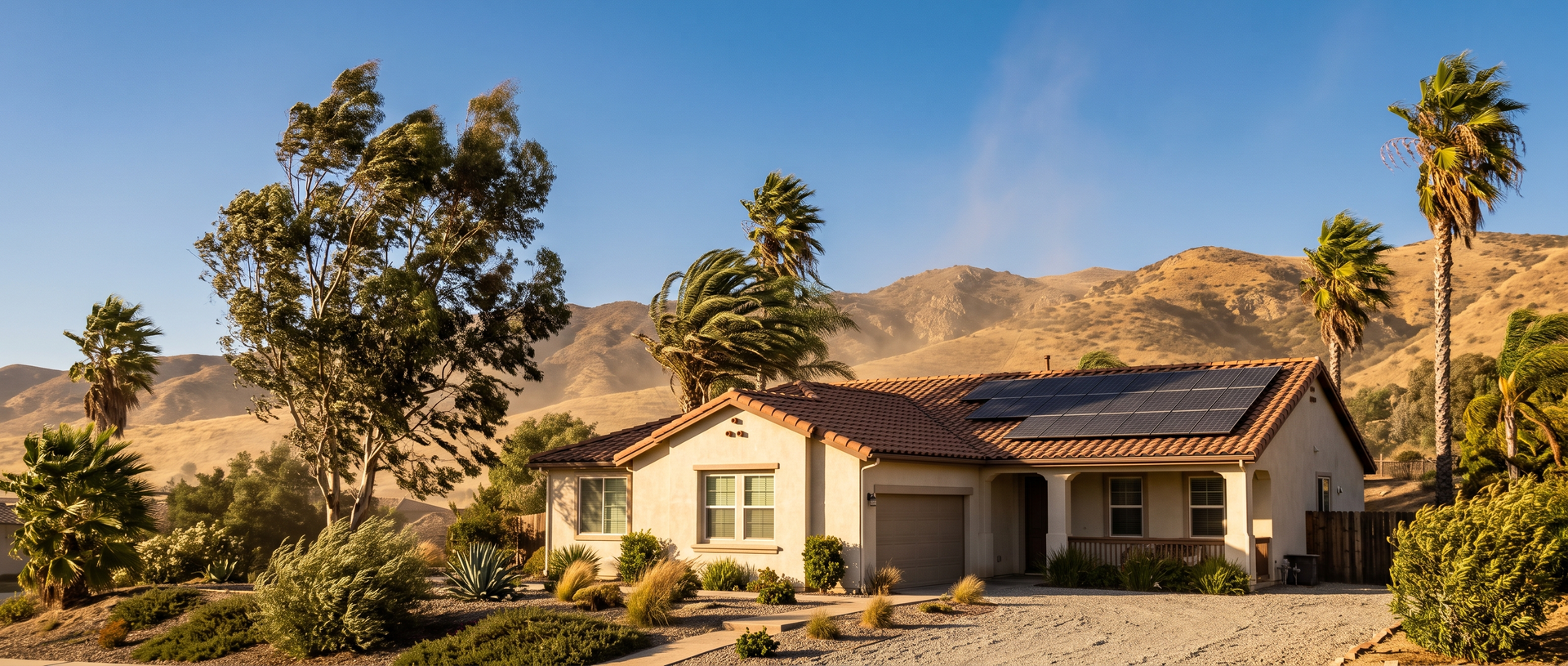
- The Backup Seeker. Outages, wind events, or a home office in Chula Vista have you thinking about a battery more than panels.
You might be someone who fits two of these. That's normal, and it's exactly why a good plan starts with your home, not the calendar. Get a feel for everything Sunline Energy offers homeowners and businesses before you narrow it down.
This matters for homeowners who feel rushed: your situation sets the pace, not the month.
Matching Your Situation to the Right Starting Point
Timing isn't a single decision. It depends on what you need the system to do and what your property needs first.
| If You're This Homeowner | Consider This | Why It Fits |
|---|---|---|
| High summer bills | Start design and permitting this fall | Gives your project room to finish before peak season |
| Roof near end of life | Pair roof work with solar planning | One coordinated project, fewer surprises later |
| Wants outage backup | Lead with battery sizing | Backup goals change how a battery is designed |
| Unsure about buying vs. leasing | Compare ownership options carefully | Incentive rules now differ by who owns the system |
The common thread is preparation. Homeowners who start with a clear goal tend to feel calm through the process, whatever month it is. You can learn more about Sunline Energy's team and approach before your first conversation.
What Fall and Winter Really Mean for Your System
Here's the honest picture. Shorter winter days mean panels produce less in December than in June. But production doesn't stop, and our mild weather lets crews work through most of the year.
The month you install matters far less than how well your system is designed for your home.
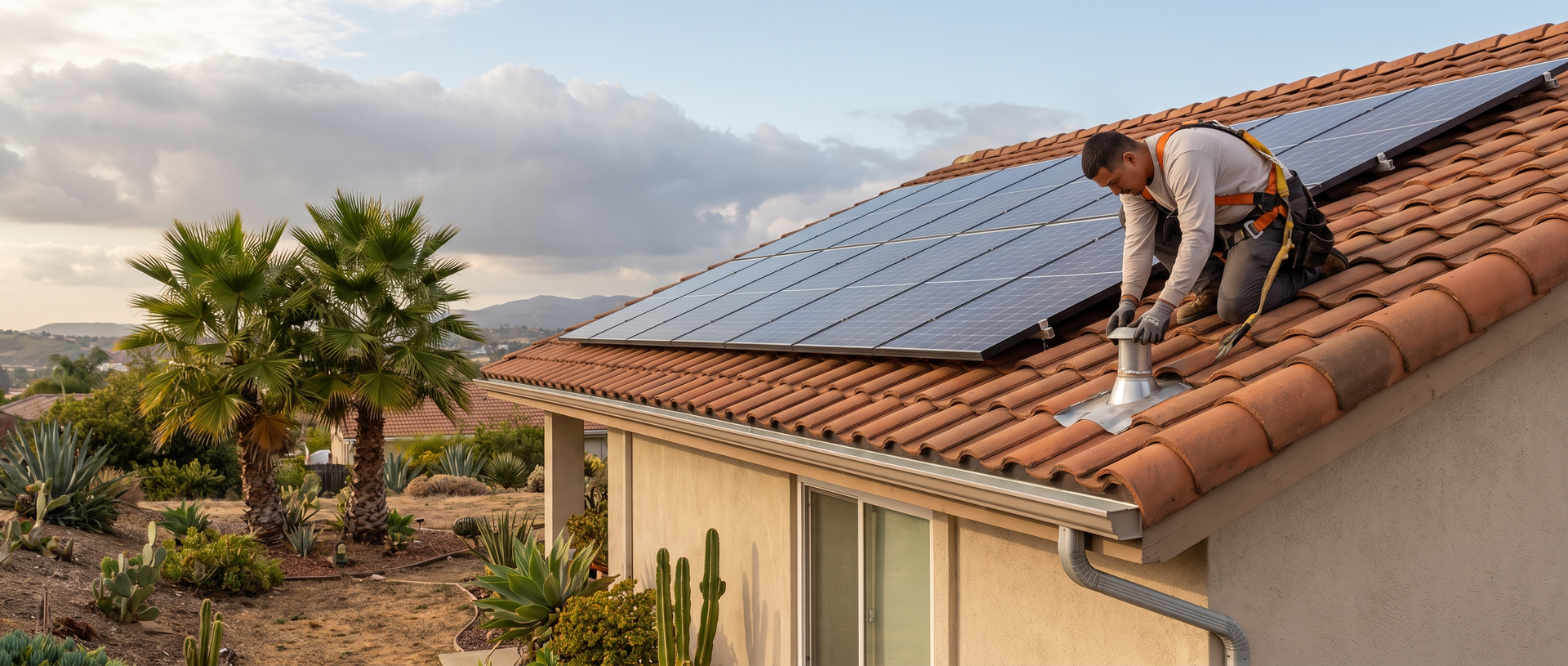
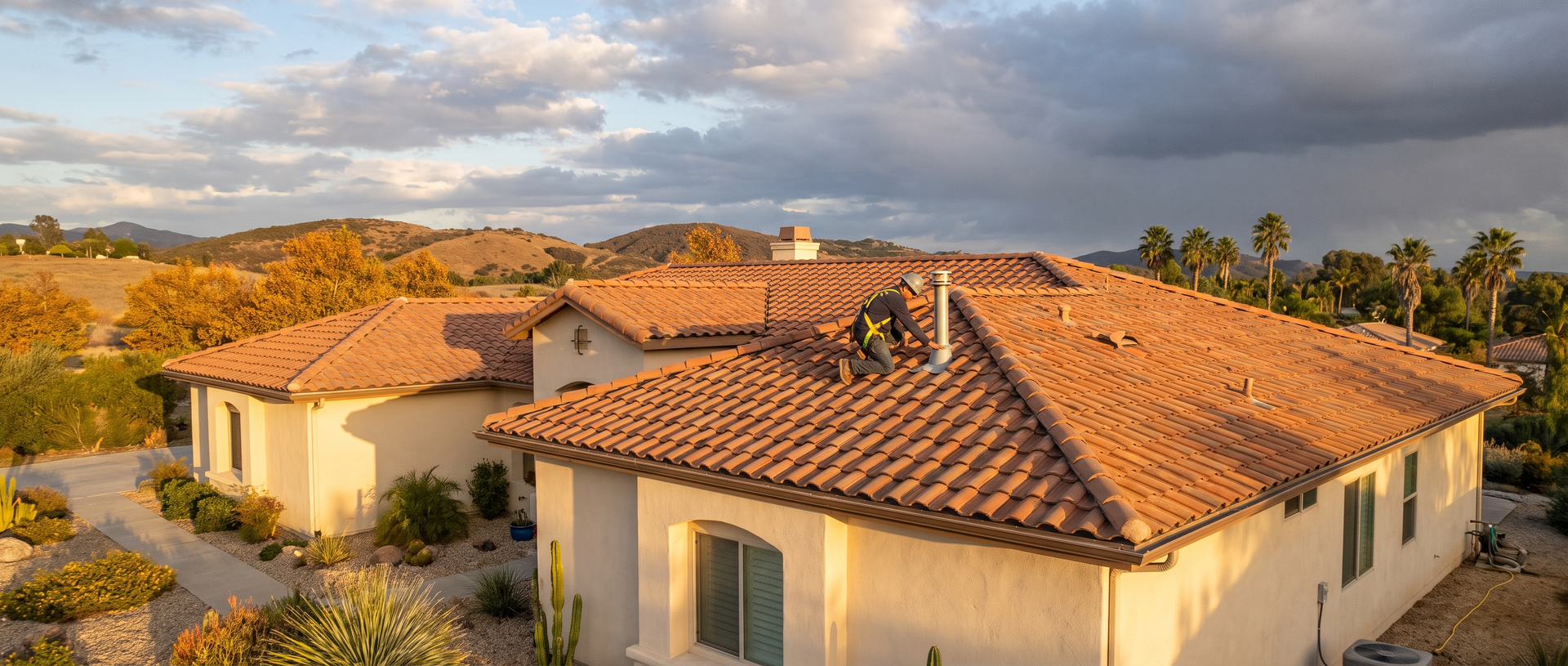
Rain is the real seasonal factor. Most of the region's rain falls in late fall and winter, so roof condition and careful waterproofing around mounts deserve extra attention when a project lands in that stretch.
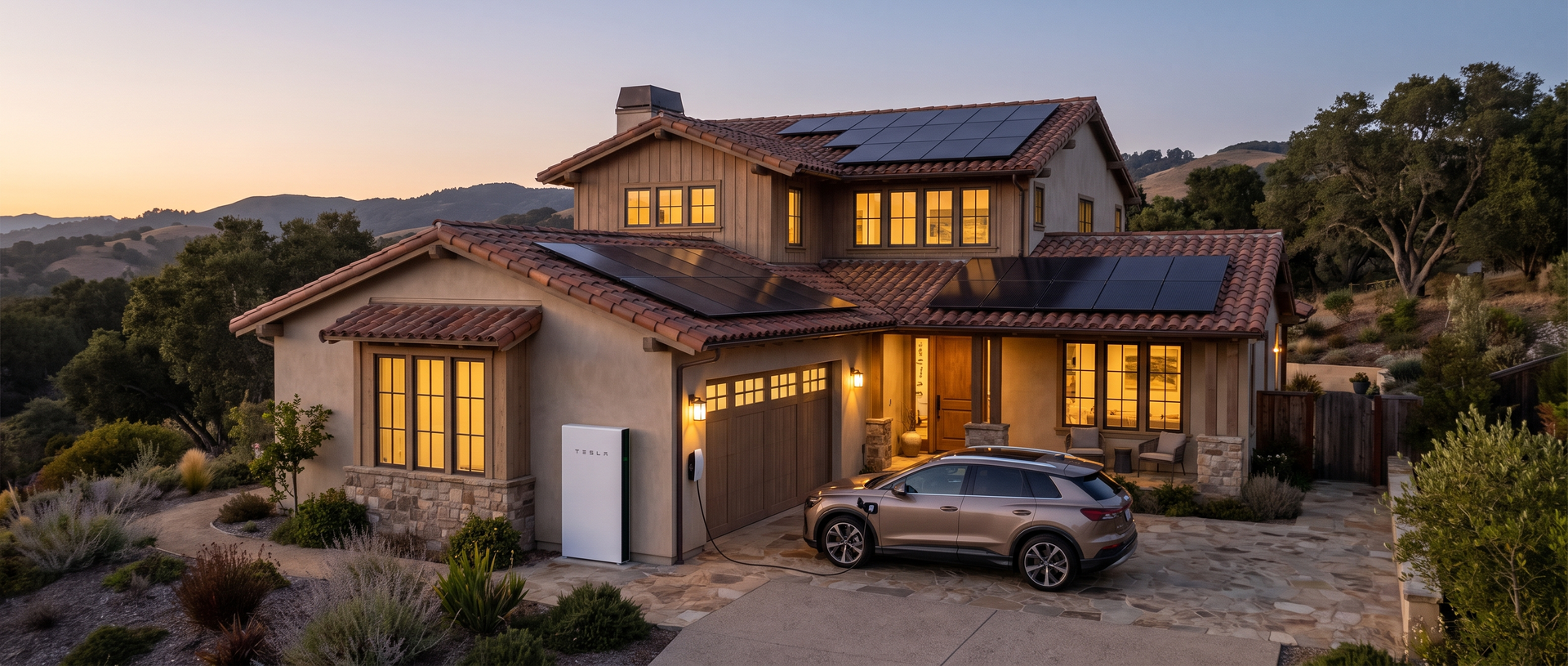
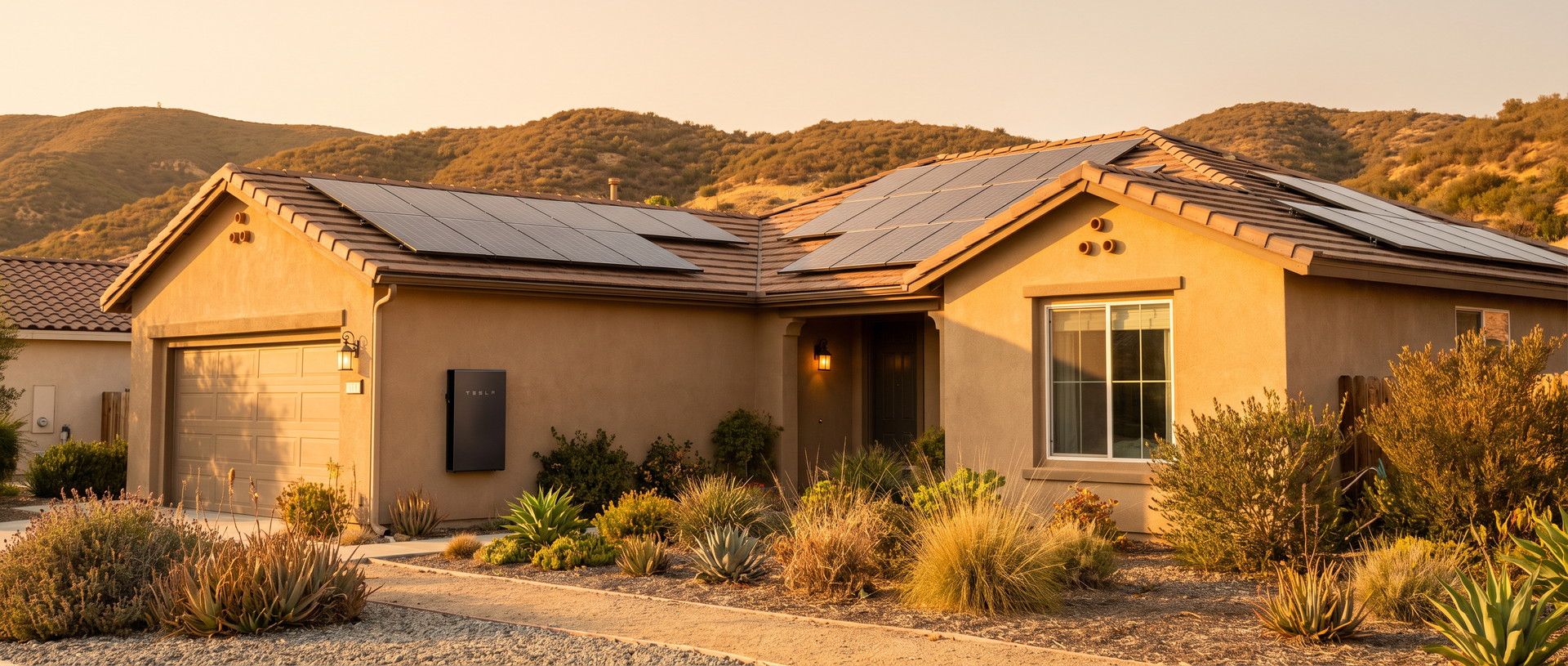
Then there's your bill. Under SDG&E's Solar Billing Plan, often called net billing, solar you export during the day is credited at much lower values than the power you buy in the evening. A battery that saves midday solar for the 4 to 9 p.m. window can add value in every season, not only summer.
Picture a warm October evening. You get home, the AC kicks on, and your battery carries the load instead of the grid.
Incentives, Paperwork, and Long-Term Ownership
A lot of the "October deadline" feeling is left over from last year. The federal Residential Clean Energy Credit for homeowner-owned solar and batteries ended for expenditures after December 31, 2025, so there's no year-end federal credit to chase for a system you buy in 2026.
Leases and power purchase agreements follow different rules. The system owner may claim a commercial credit, but solar eligibility is tied to federal deadlines. California battery incentive funding has also been limited. Program details change often, so verify eligibility with the program and a qualified tax professional.
The process itself is steady at any time of year:
- Site visit and review of your energy use
- System and roof design
- City or county permit
- Installation
- Inspection
- SDG&E permission to operate
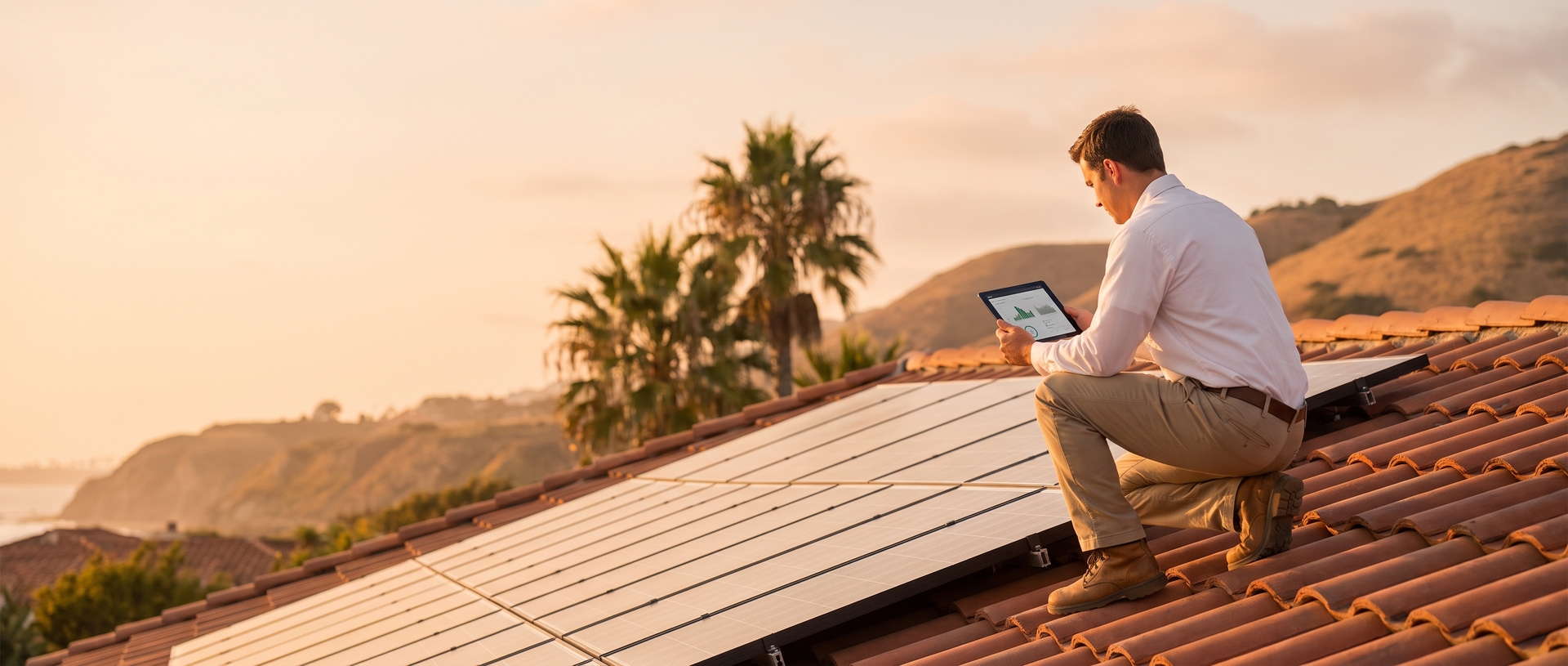
Month one is about learning your monitoring app and watching evening usage shift. By year three, the goal is a system that fades into the background, with occasional check-ups. Sunline Energy's support team is available for monitoring questions and service.
Common Questions About the Best Time to Install Solar in San Diego
Is October too late to install solar and a battery in San Diego?
No. Solar and battery systems can be installed year-round here, and fall weather is usually very workable for installation crews. The bigger timing factors typically are permitting, SDG&E interconnection, and whether your roof needs attention before the rainier months arrive.
Does solar still work during the cooler winter months?
Yes. Solar panels keep producing in winter, just less than in summer because days are shorter and the sun sits lower. Clear days still generate useful power, and a home battery helps you use that energy during SDG&E's evening peak hours.
Is there still a federal solar tax credit for homeowners in 2026?
Not for homeowner-owned systems. The federal residential credit ended for expenditures after December 31, 2025. Leased and PPA systems follow separate commercial credit rules with their own deadlines, so confirm current details with a qualified tax professional and any program you plan to rely on before deciding.
Should I add a battery to my solar system under SDG&E net billing?
For many homes, a battery is worth serious consideration. Under net billing, stored solar used during evening hours is generally worth more than exported solar. A battery can also provide backup during outages, depending on how it is sized and configured for your home.
The Right Time Is When Your Plan Is Ready
So, is October the last good month? No. The best time to install solar in San Diego is when your roof, your energy goals, and your budget line up, and fall is a sensible season to start.
If lower evening bills matter most, plan around the 4 to 9 p.m. window. If backup matters most, size the battery for it. Either way, you can move forward with confidence. Contact Sunline Energy with questions, or explore our referral program if you're already part of the Sunline family.
Ready to Take the Next Step?
Talk with Sunline Energy about a solar and battery solution designed around your property and energy goals.