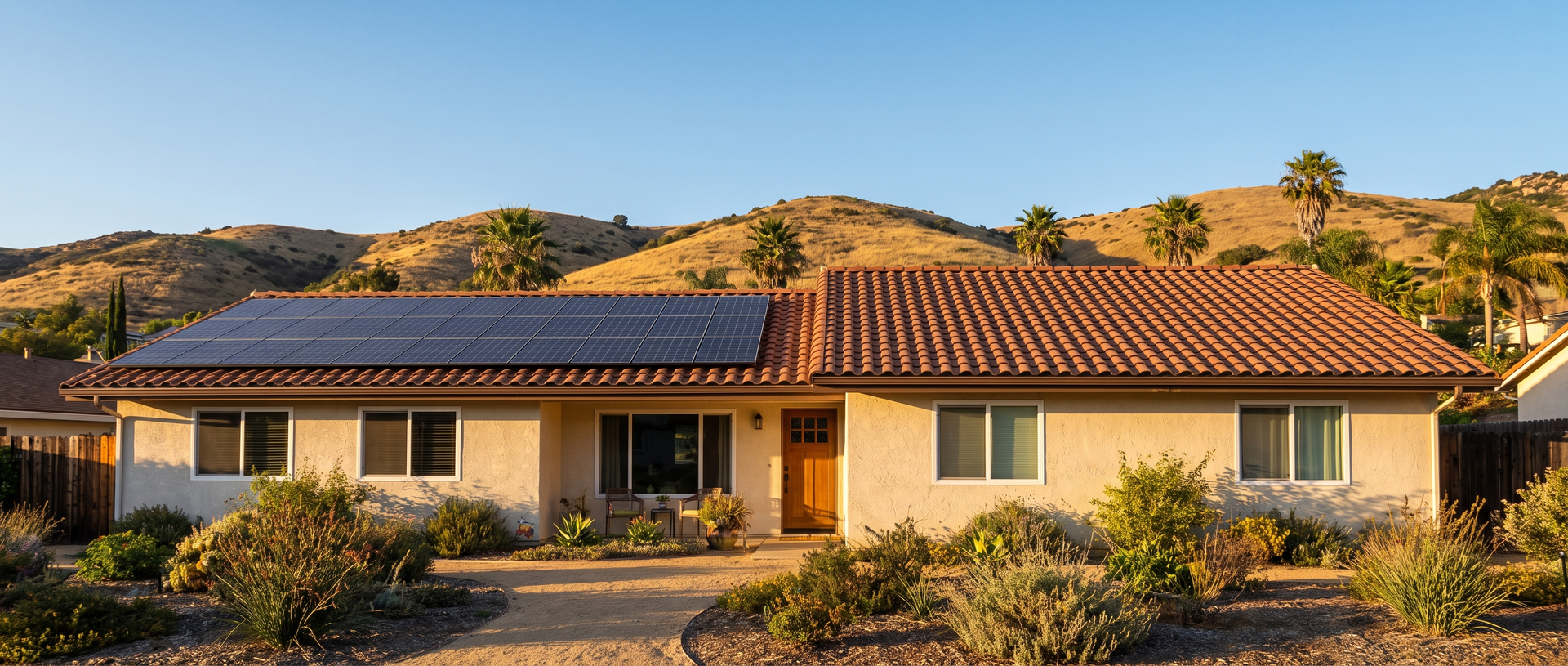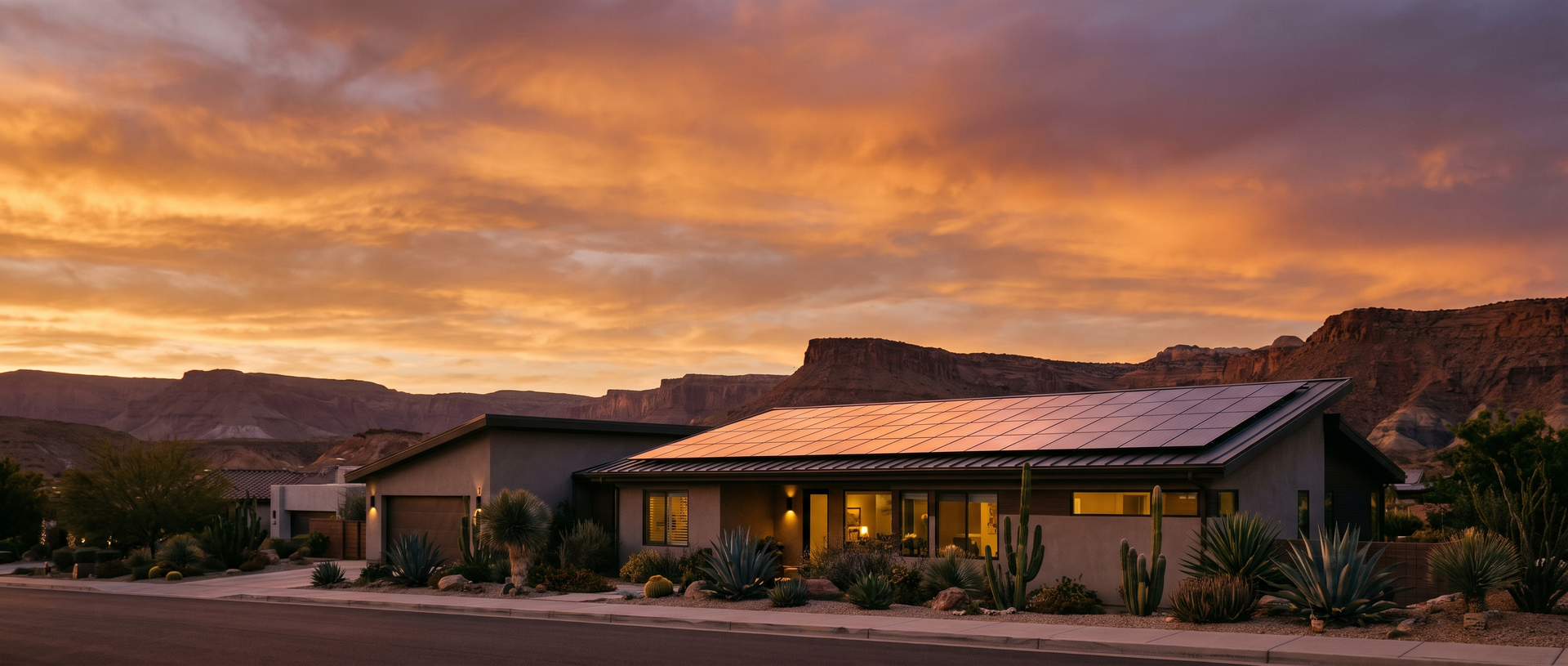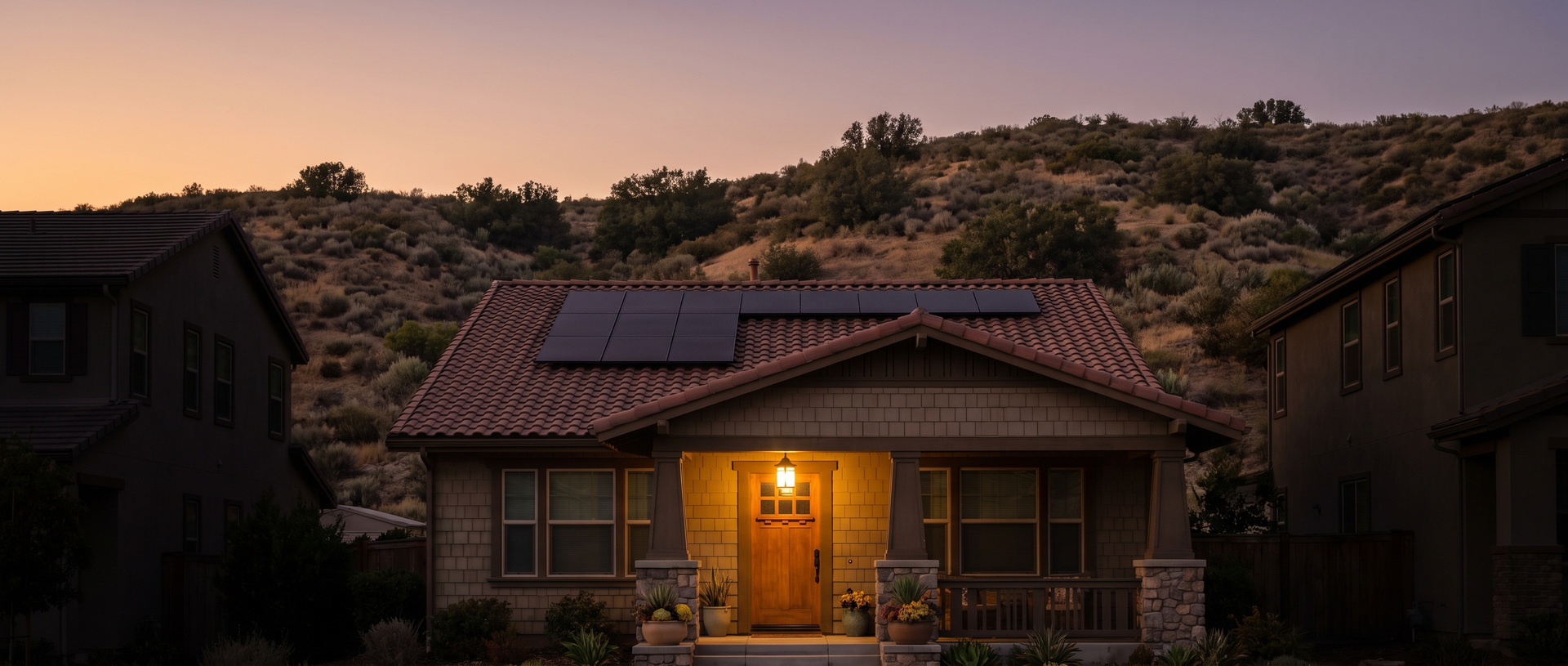

Fall solar maintenance in San Diego is less about fixing something broken and more about getting ahead of the season. As days shorten and the sun sits lower in the sky, your system has fewer peak hours to work with.
That makes small issues matter more. A dusty array, a quiet inverter error, or a battery set up for summer habits can all cost you production you won't get back.
Here's what to schedule now, who needs what, and how to go into winter feeling confident about your system.
Which Kind of Solar Owner Are You?
Not every home needs the same fall visit. Most San Diego homeowners fall into one of three groups.
The quiet owner. You might be someone who hasn't opened your monitoring app since spring. The system seems fine, the bill seems fine, and life is busy. You're the owner most likely to miss a slow drop in output.
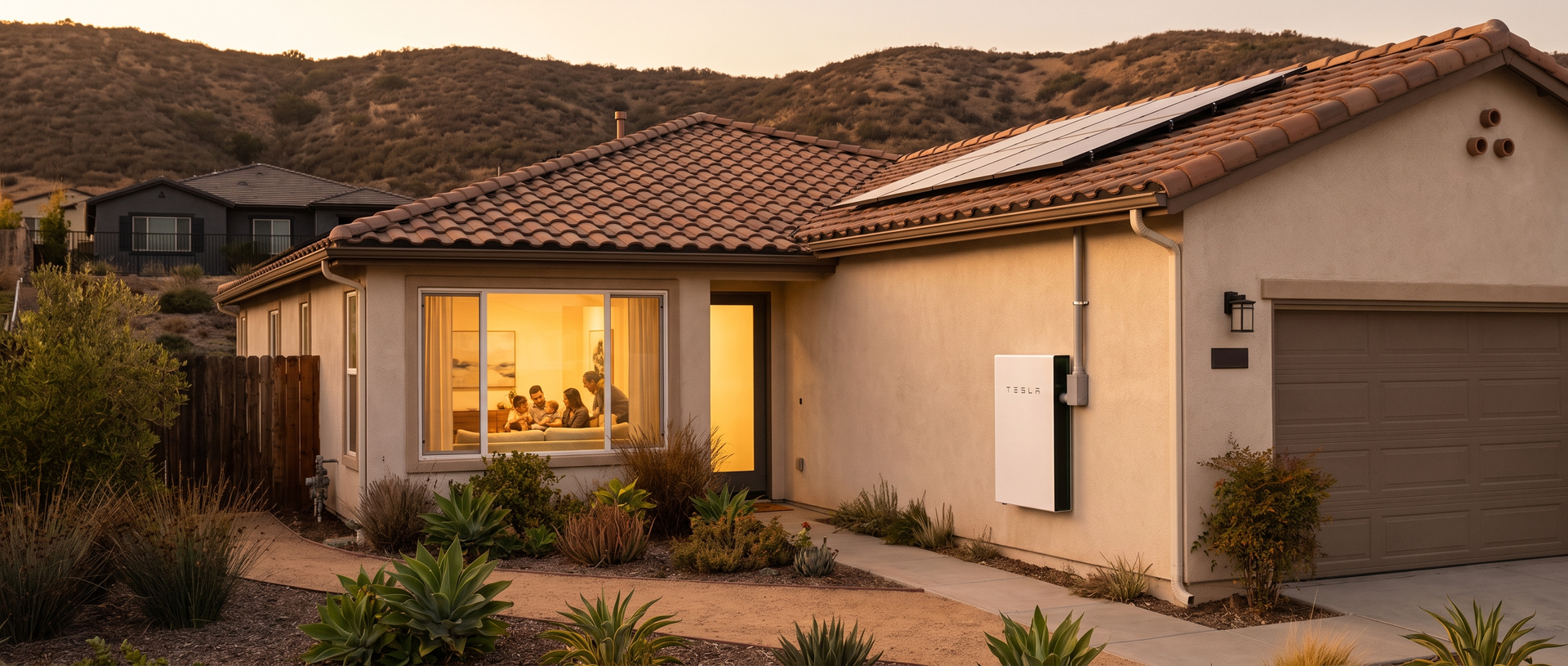
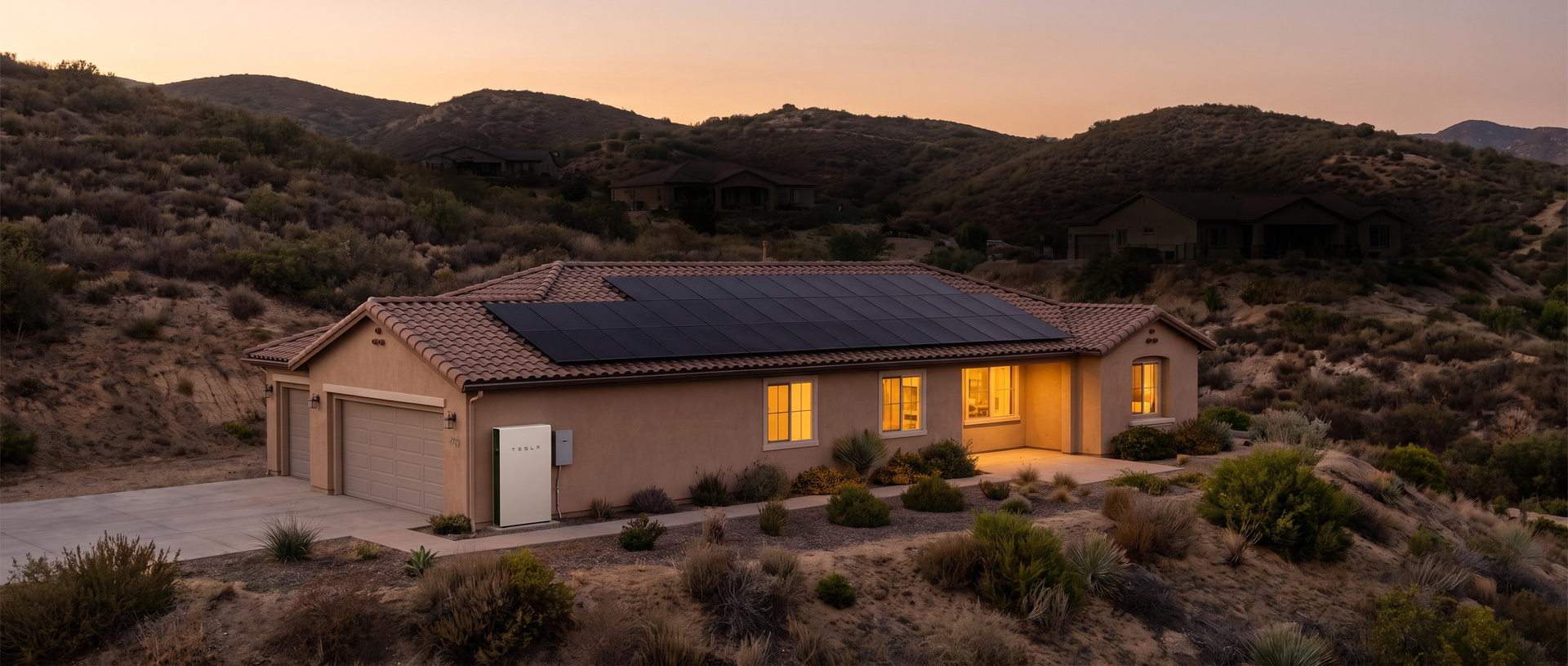
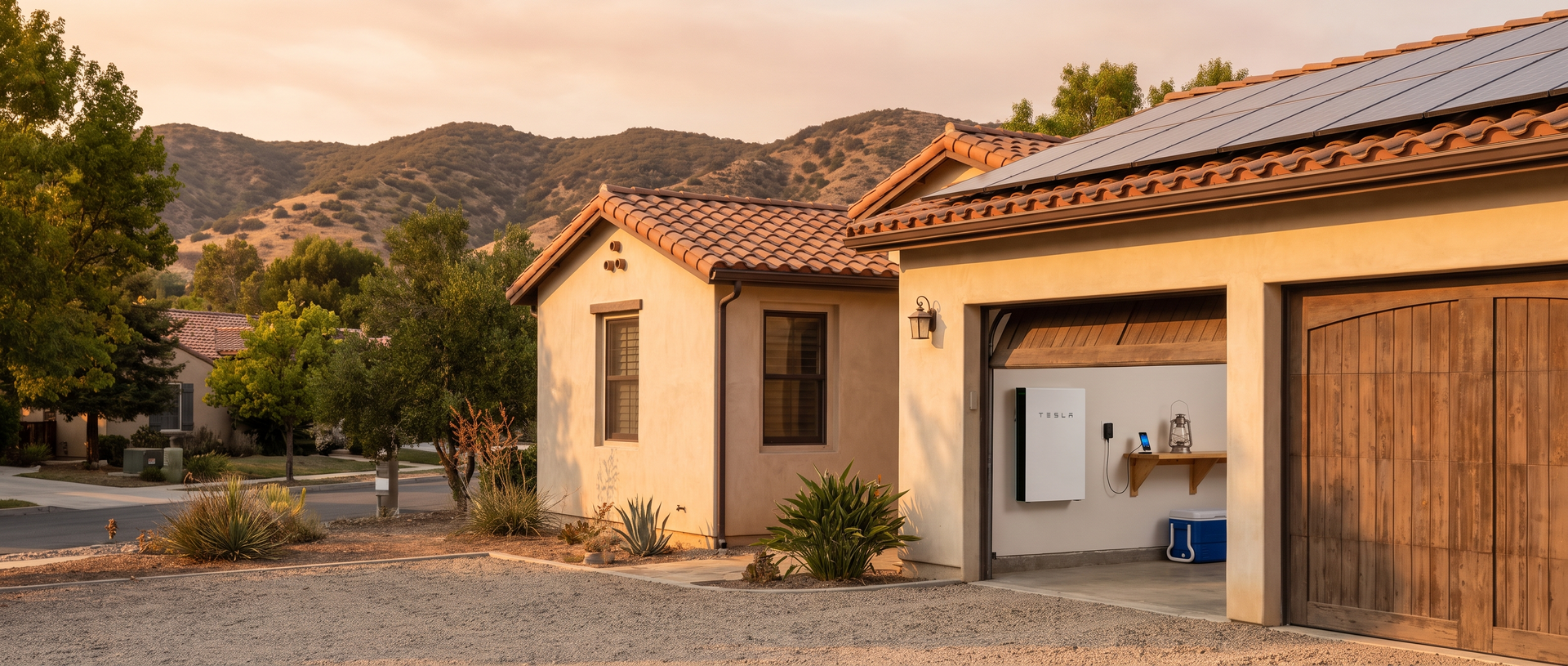
The backup-minded owner. You have home battery storage and care about keeping the lights and fridge on during an outage. Your priority is knowing the battery is ready, not just the panels.
The owner whose home changed. Maybe you added an EV, remodeled, or your roof is getting older. Homeowners from Chula Vista to Escondido and Oceanside often find their system was designed around a household that no longer exists.
Knowing your group helps you ask for the right service instead of a generic checkup. If you're new to how Sunline Energy approaches system care, the About Sunline Energy page is a good place to start.
Matching Your Home to the Right Fall Solar Service
Think of this like tuning a sail before the wind shifts. The goal is to match the service to how your home actually uses energy.
| If You're This Homeowner | Consider This Service | Why It Fits |
|---|---|---|
| Haven't checked your app in months | Performance review and inverter check | Catches hidden output drops before winter |
| Rely on battery backup | Battery health and settings review | Confirms reserve and schedule fit shorter days |
| Panels look dusty or have nesting birds | Panel cleaning and critter guard check | Clears what blocks limited fall sunlight |
| Added an EV or have an older roof | System and roof attachment inspection | Checks load, mounts, and seals before rain |
Many homes need more than one row. That's normal, and it's easier to bundle them into a single visit.
Existing customers can start the conversation through Sunline Energy support.
What Fall Actually Asks of Your Solar System
Fall in San Diego looks mild, but it brings real changes for solar. Santa Ana winds can leave a film of dust and debris on panels. Then the rainy season follows, which puts roof mounts and seals to the test.
Meanwhile, the clock works against you. When daylight saving time ends in early November, the evening hours your home uses most arrive after the sun is gone.
A typical fall visit usually covers:
- Reviewing production data for dips or error codes
- Checking the inverter, wiring, and conduit
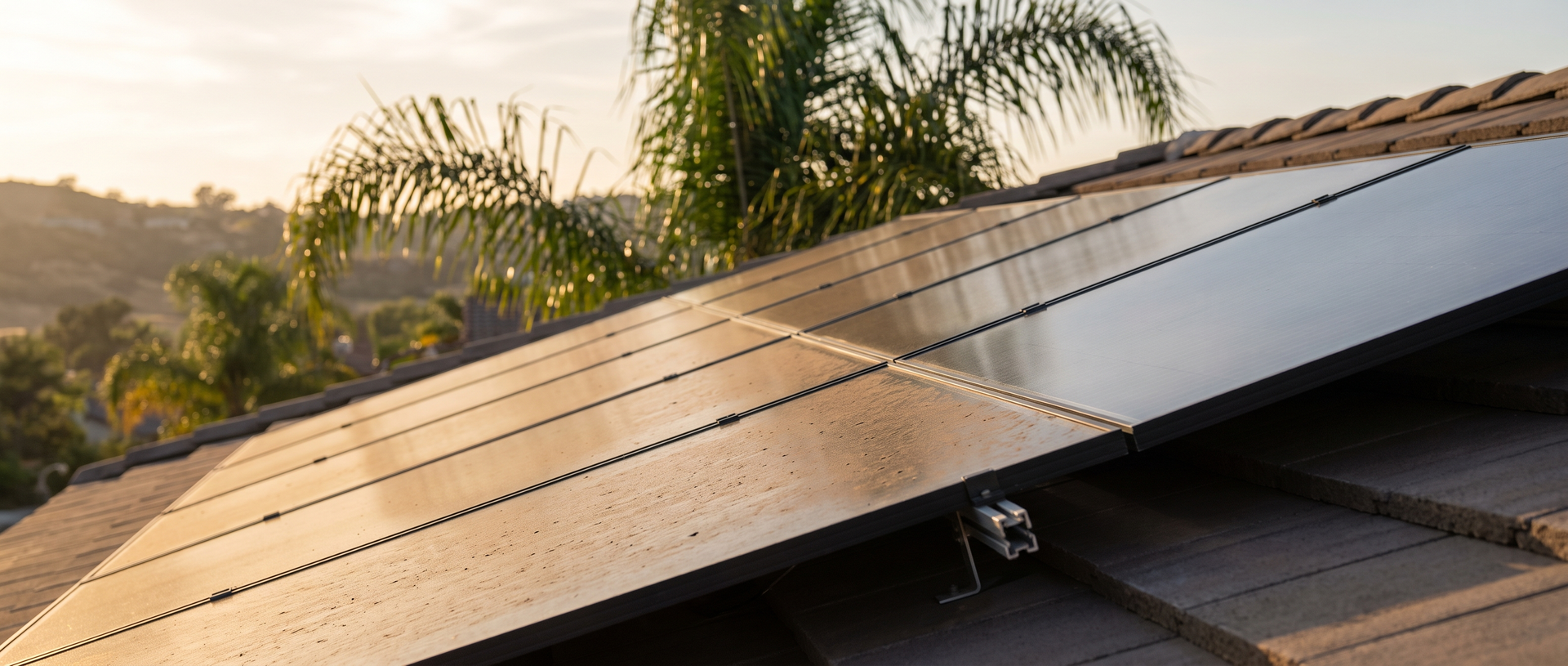
- Cleaning panels when buildup is limiting output
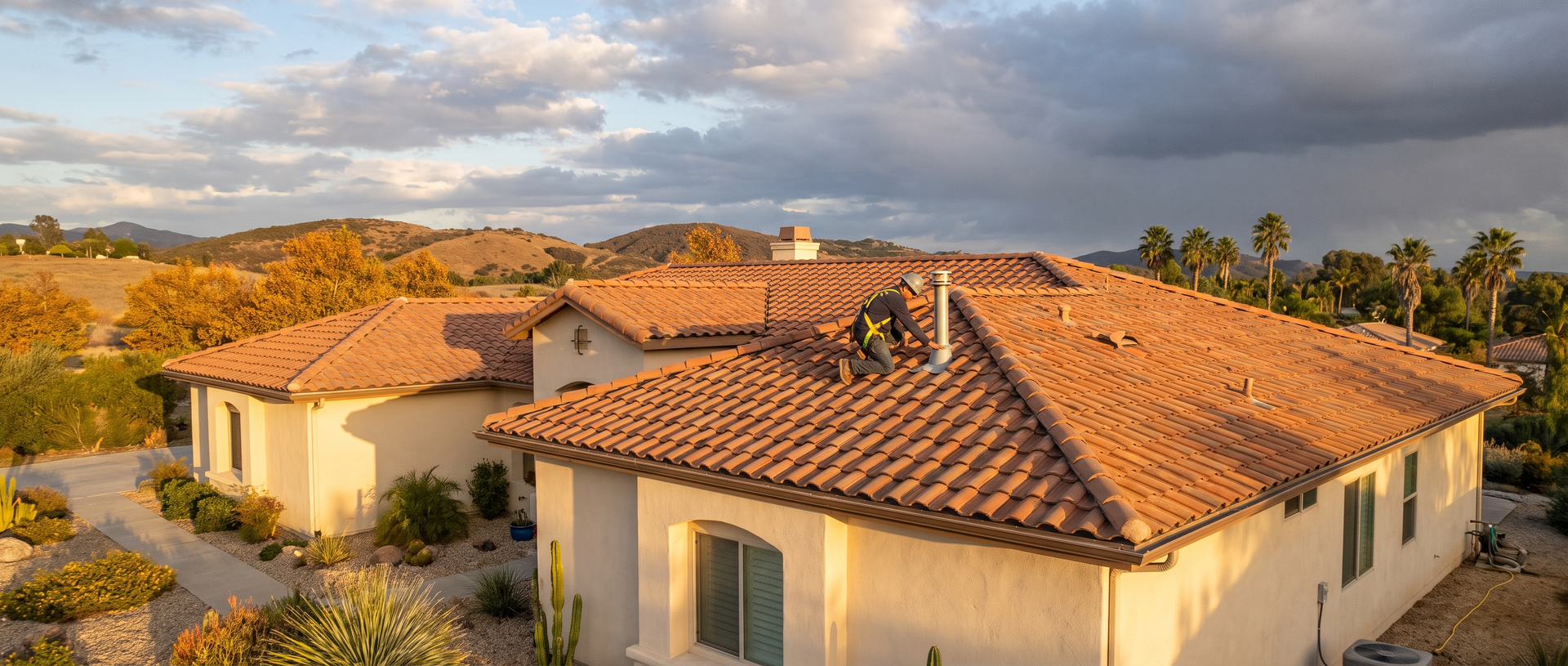
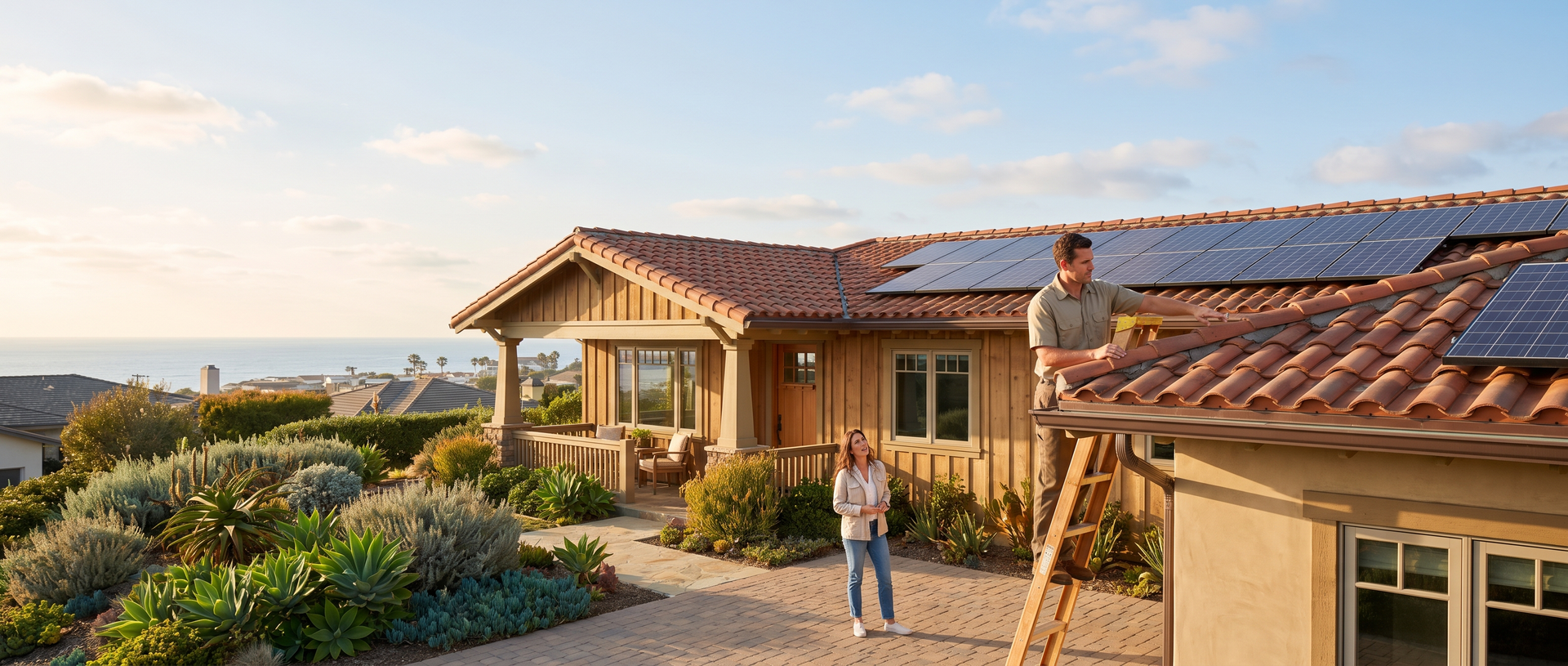
- Inspecting mounts, flashing, and roof penetrations
- Reviewing battery reserve and time-of-use settings
It's not glamorous work. But a clean, well-tuned system makes the most of every hour of fall sun, and that's the whole point.
Key takeaway: Shorter days leave less room for small problems. A fall check helps your system do its best work when sunlight is limited.
Living With Your System Through Winter and Beyond
The biggest worry most owners have is simple: "What if something's wrong and I don't know?" A fall service answers that directly.
In the first month after a checkup, you'll know your baseline. By midwinter, you can glance at your app and recognize normal lower-season output instead of wondering if something failed. A year from now, you'll have a record that makes future troubleshooting faster.
Battery owners gain another layer of confidence. Settings tuned for your SDG&E rate plan and your household routine help stored energy go where it matters. Rate plans and utility rules can change, so it's worth confirming the details for your account.
If a friend or neighbor has been asking about your system, the Sunline Energy referral program is an easy way to share your experience.
Common Questions About Fall Solar Maintenance in San Diego
Do I really need fall solar maintenance in San Diego?
Not every system needs work each fall, but a check is smart before shorter days arrive. Dust from Santa Ana winds, loose mounts, or outdated battery settings can quietly reduce output. A review helps you catch issues while the weather is still mild.
Should I clean my solar panels before winter?
Cleaning makes sense when dust, pollen, or bird droppings are visibly building up. With less fall sunlight available, buildup can matter more. Avoid climbing on the roof yourself; a professional cleaning is safer and helps protect your panels and roof from accidental damage.
How do shorter days affect my solar battery?
Shorter days mean your panels have fewer hours to charge your battery. Reviewing your backup reserve and time-of-use schedule helps stored energy last through evenings. San Diego homeowners should confirm settings against their current utility rate plan, since plan details can change.
What should a fall solar inspection include?
A solid fall inspection usually covers production data, the inverter, wiring, panel condition, and roof attachments. Homes with battery storage should add a settings review. If you've added an EV charger recently, ask whether your system still fits how your household uses energy.
Heading Into Winter With Confidence
Fall solar maintenance in San Diego is a small step that brings real peace of mind. If your panels are clean, your equipment is checked, and your battery fits your routine, winter becomes predictable instead of stressful.
If you're not sure where to start, the Sunline Energy homepage is a helpful overview, or you can contact Sunline Energy with questions about your system.
Ready to Take the Next Step?
Talk with Sunline Energy about a fall system check designed around your property and energy goals.