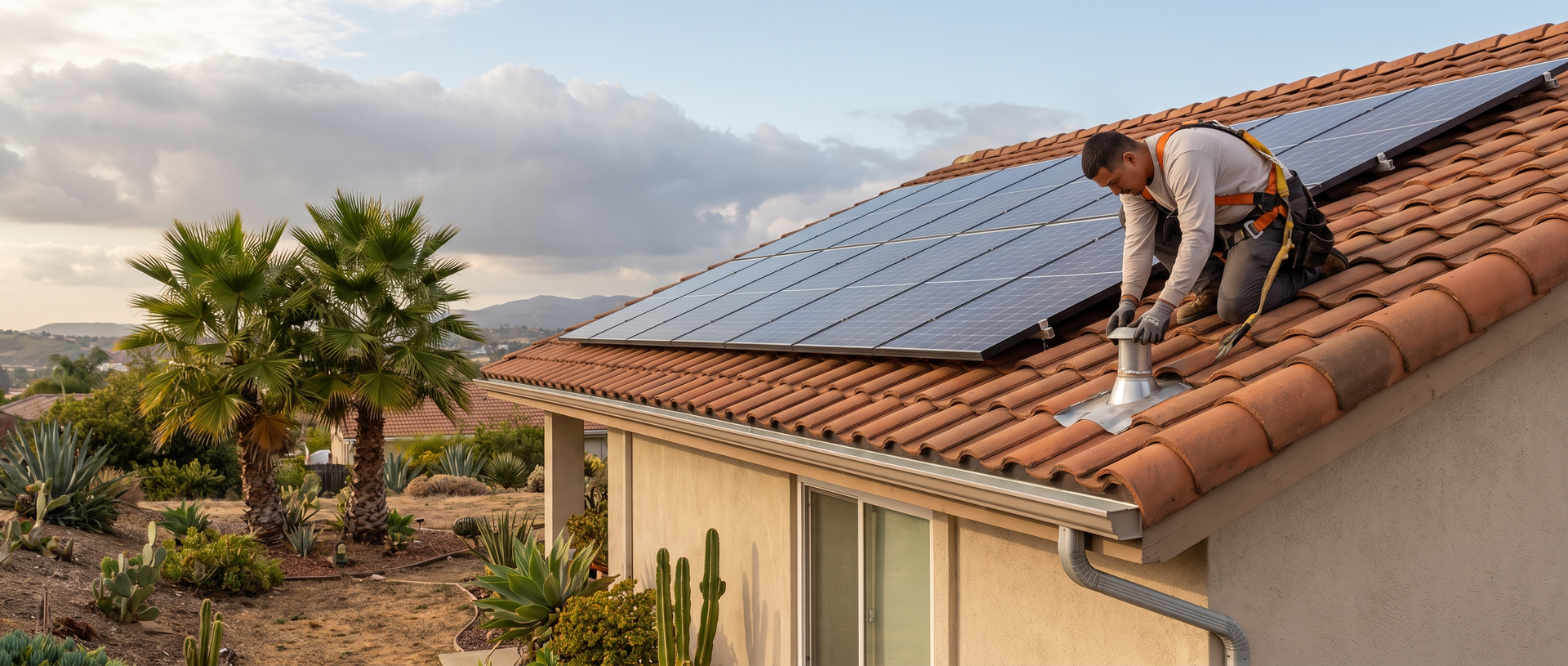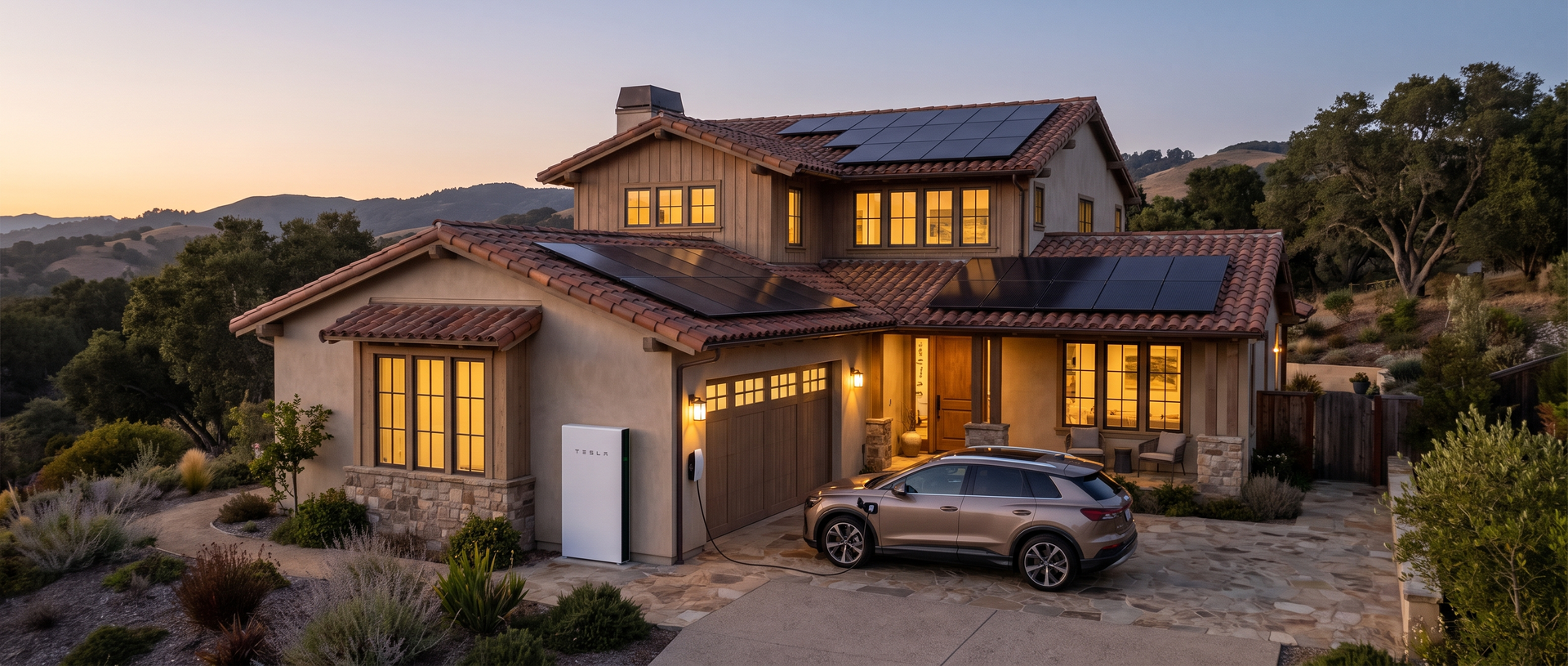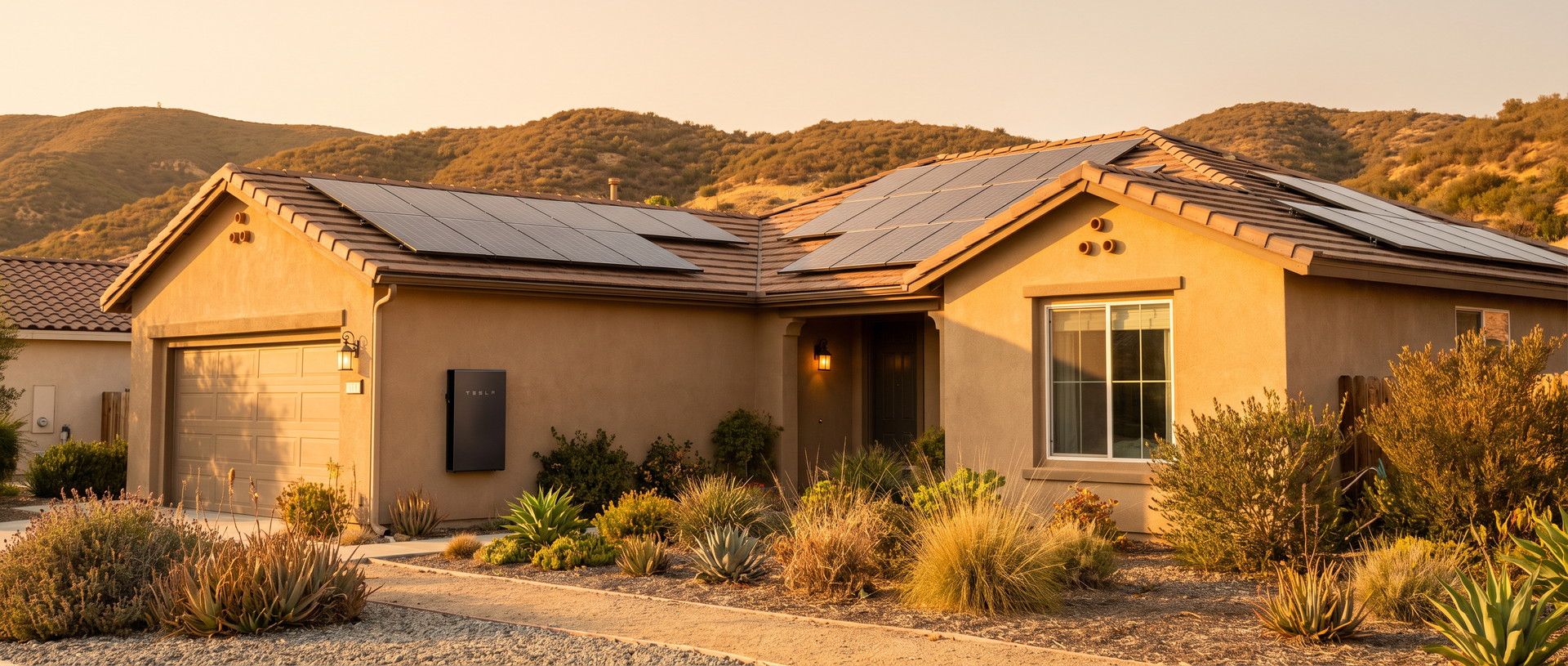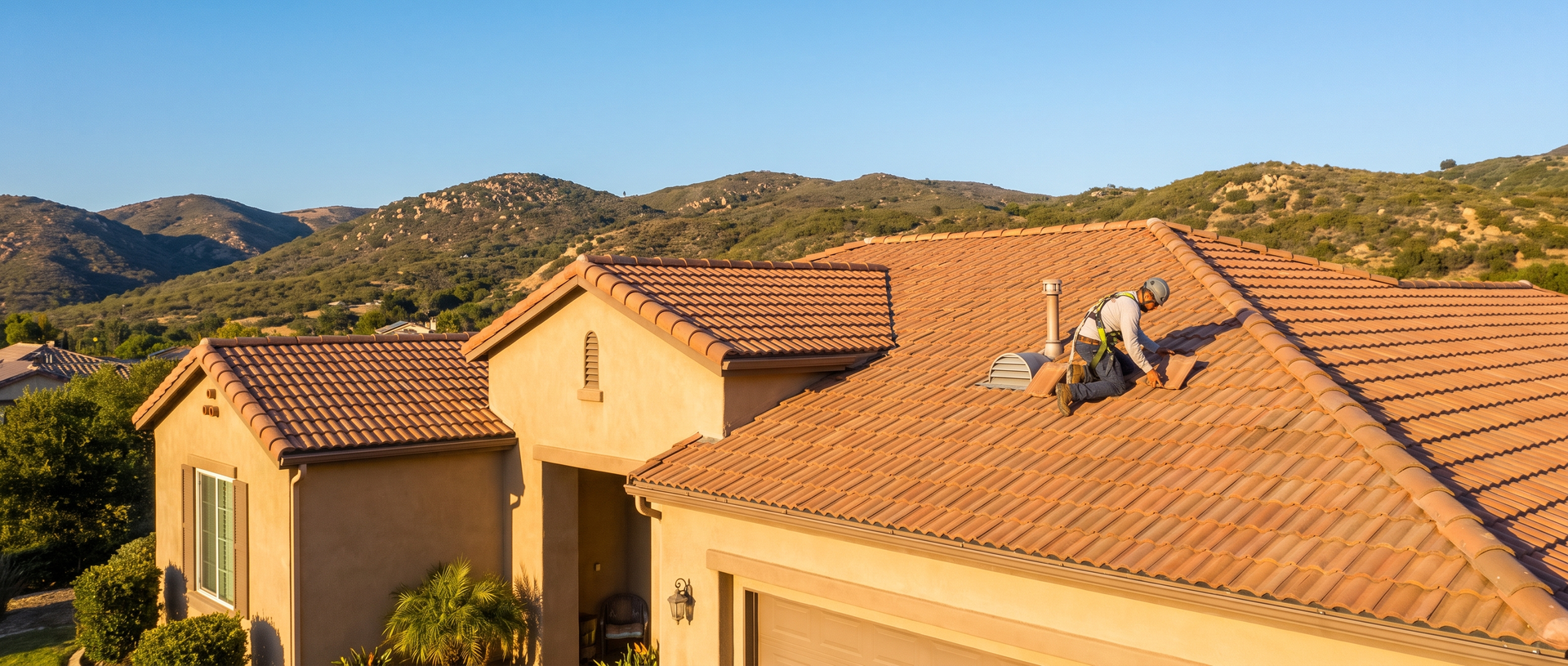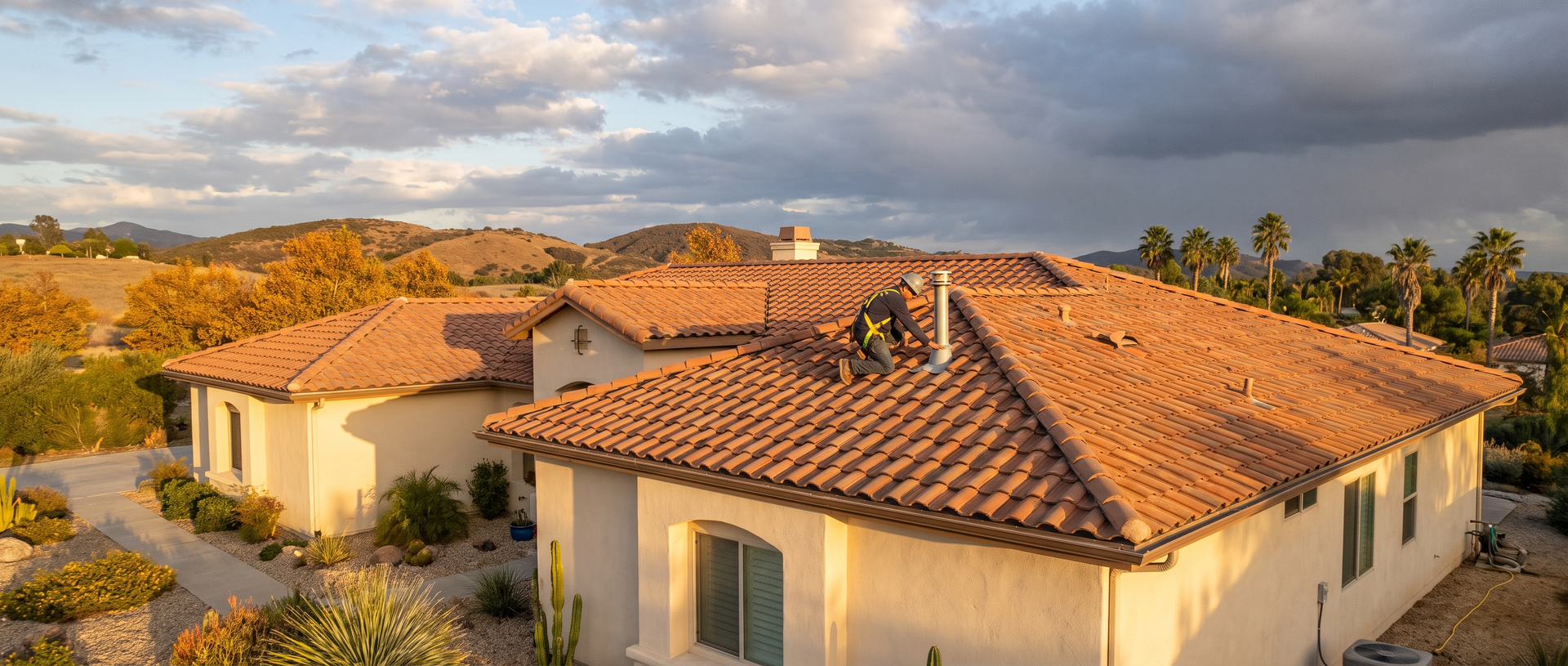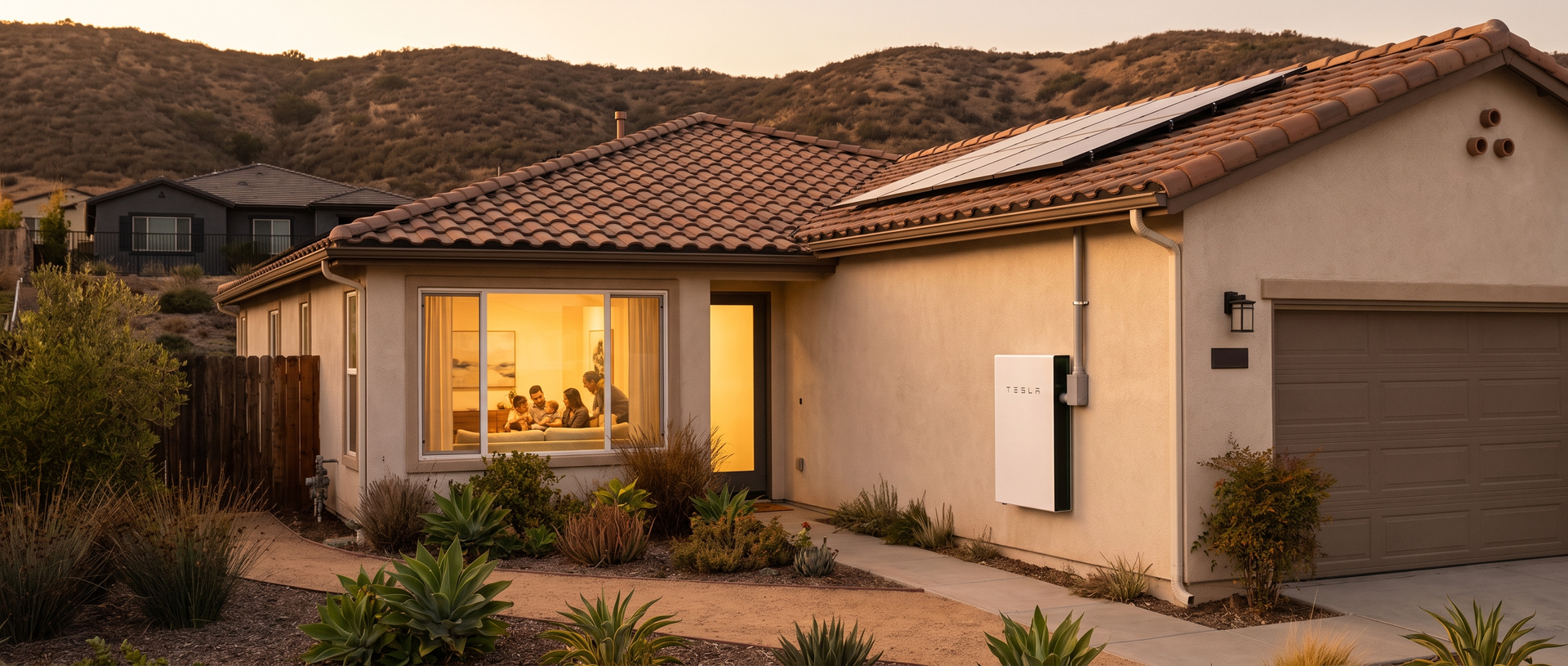

Santa Ana winds can test solar panels and roofs in ways a calm summer never will. In Escondido, these dry, gusty offshore winds sweep down from the inland hills, often bringing dust, low humidity, and fire weather warnings with them.
If you own solar or plan to add it, the real question is simple. Is your system ready for wind season, and what should you check when the gusts finally die down?
Which Kind of Homeowner Are You This Wind Season?
Think of your roof and solar array like a sailboat's rigging. How well it's tied down only matters once the wind actually shows up.
Most homeowners we talk with fall into one of three groups:
- The first-season owner. Your panels went up recently, and you've never watched them ride out a Santa Ana event. You want reassurance that the racking and roof attachments were built for this.
- The older-roof owner. Your array sits on a roof with plenty of summers behind it. You might be someone who wonders whether the tile or shingles underneath are the real weak link.
- The outage planner. You've lived through a public safety power shutoff and want to know whether solar can keep your lights on.
Neighbors in San Diego, Oceanside, and Chula Vista feel these winds too. Homes closer to the inland foothills, though, often take the gusts more directly than the coast. To see how our in-house team approaches design and installation, learn more about Sunline Energy.
This matters for homeowners who want a plan, not a guess.
Matching Your Situation to the Right Next Step
Here's the thing: the right move depends on where your roof and system stand today. Use this table as a quick starting point.
| If You're This Homeowner | Consider This | Why It Fits |
|---|---|---|
| New solar owner facing a first wind season | A visual check from the ground after strong gusts | Confirms nothing shifted, without anyone climbing the roof |
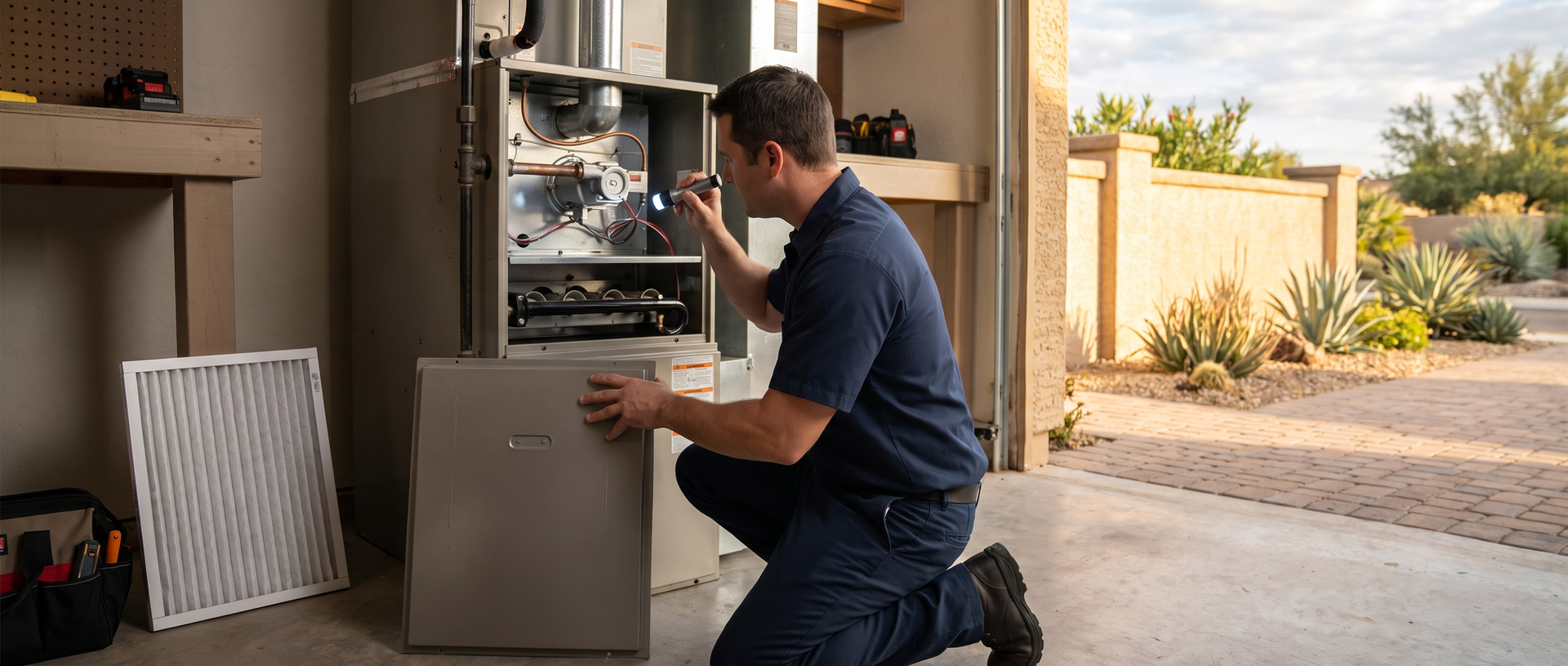
| Panels on an older tile or shingle roof | A professional roof and mounting inspection | Finds loose tiles or flashing before the first winter rain |
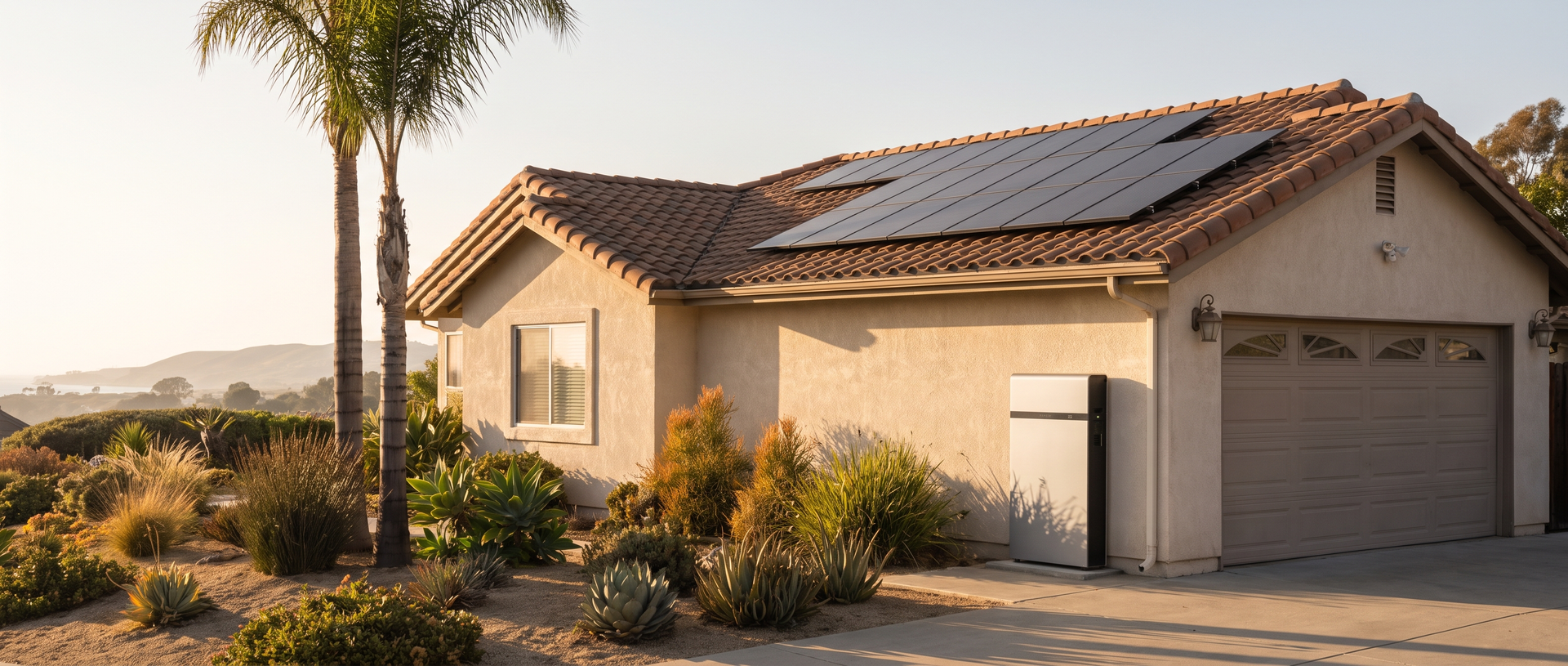
| Worried about power shutoffs | A conversation about battery storage | Backup batteries can keep selected circuits running when the grid is down |
| Seeing lower production after windy days | Checking panels for dust, ash, or debris | A dirty surface can reduce output until it's cleaned |
Each option catches small issues early, so wind season feels predictable instead of stressful. Not sure where to begin? The Sunline Energy homepage gives an overview of the solar, roofing, and battery services that connect these steps.
What Santa Ana Winds Do to Solar Panels and Roofs
Santa Ana gusts push from an unusual direction. Instead of the typical onshore breeze, they come from the northeast, pulling at panel edges and roof ridges in ways the rest of the year rarely does.
If you've driven I-15 or SR-78 on a Santa Ana day, you've seen trucks get pushed around and dust fill the air. Your roof faces the same conditions. It just can't pull over.
- Wind and uplift. A properly engineered array is designed and permitted for local wind loads. Strong gusts can still reveal a loose clamp, an unsecured wire, or a mounting point that needs attention.
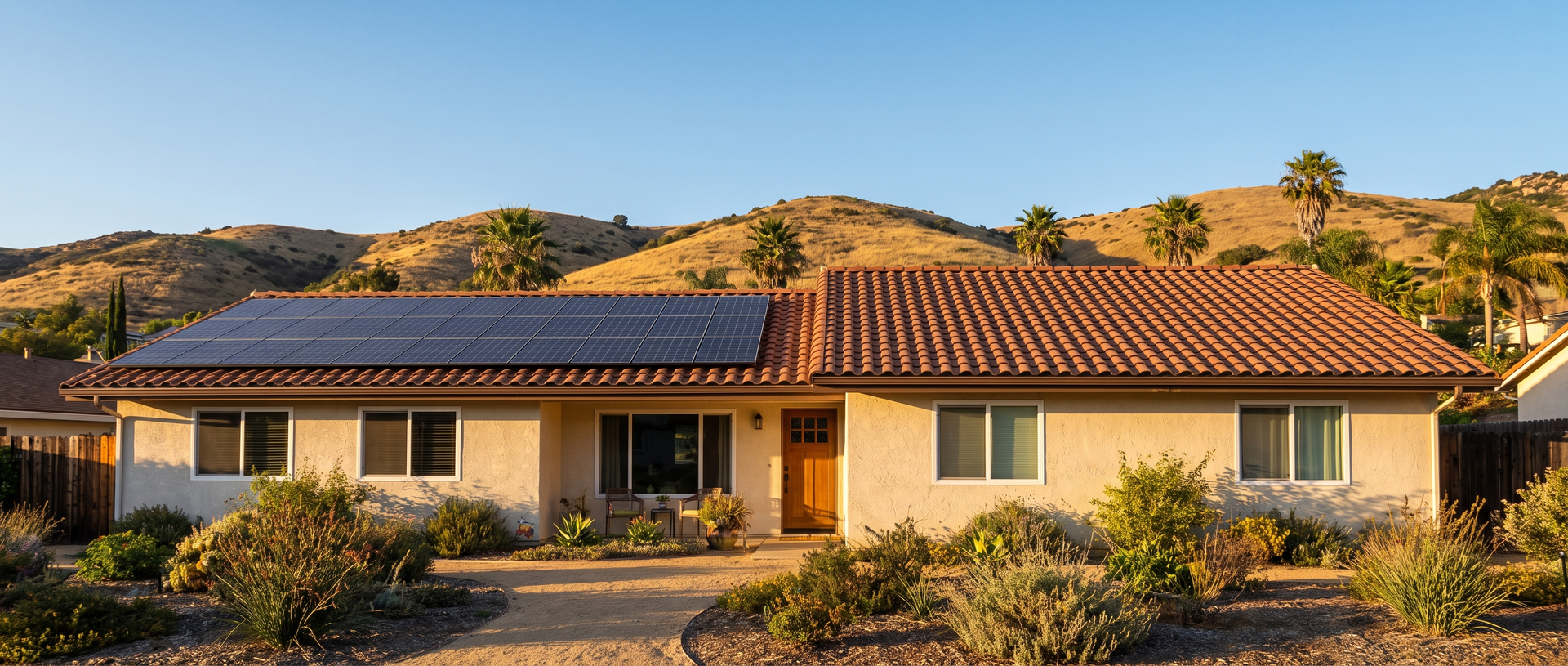
- Roof weak spots. Concrete and clay tile are common on many Escondido homes. Wind can lift or crack tiles and loosen flashing around roof penetrations.
- Dust, ash, and debris. Dry offshore winds carry dust and, during fire season, ash. A thin film quietly lowers production, while palm fronds and branches can scratch glass or lodge beneath an array.
Wind damage on a roof often stays hidden until the first rain finds the gap.
Is this a reason to panic? No. Most wind-season issues are small and far easier to handle early than after a leak shows up on your ceiling.
Key takeaway: Never climb onto your roof to check panels after a windstorm. Look from the ground, review your monitoring app, and call a professional if anything looks shifted, cracked, or out of place.
Living With Solar Through Wind Season, Year After Year
Owning solar here is less about surviving one big storm and more about a steady rhythm of care.
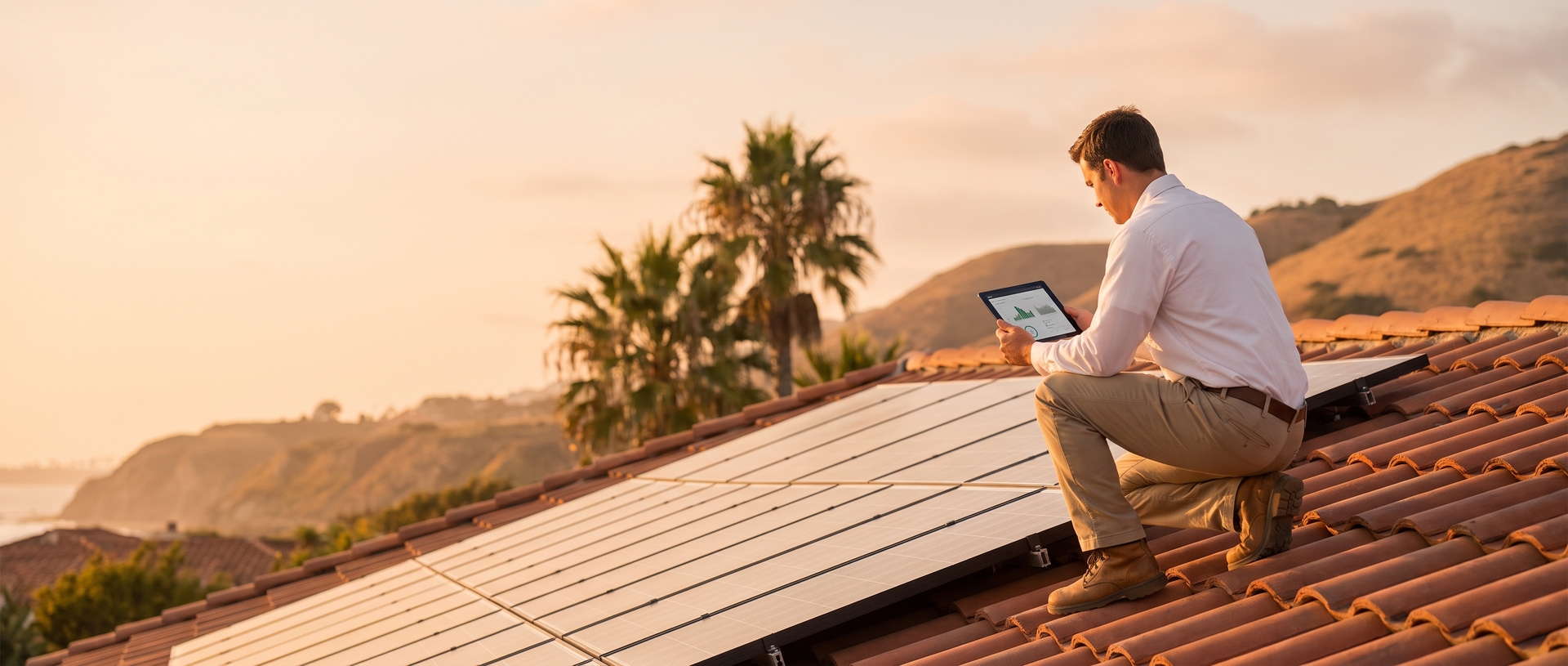
- Month one: Watch your monitoring app after a wind event. A sudden production drop on a clear day deserves a closer look.
- Year one: After the first strong Santa Ana, do a visual check from the ground. Binoculars help.
- Year three and beyond: Pair periodic roof checks with system checkups, especially if your roof was older when the panels went on.
Then there are power shutoffs. During high fire risk, SDG&E may turn off power in some areas to reduce wildfire danger. A standard grid-tied solar system is designed to shut down during a grid outage for safety, so panels alone won't power your home.
Battery storage configured for backup can keep selected loads running. Utility programs, incentives, and eligibility can change, so verify current details before making a decision.
If something looks off after a windy week, reach out through Sunline Energy support. This matters for homeowners who want their system to quietly do its job for years.
Common Questions About Santa Ana Winds and Solar in Escondido
Can Santa Ana winds damage solar panels in Escondido?
Yes, but serious damage is uncommon when an array is properly engineered and installed. Strong Santa Ana gusts in Escondido can loosen clamps, wiring, or roof tiles, and blowing debris can scratch glass. A ground-level visual check after a big wind event helps catch small problems early.
Should I get my roof inspected after Santa Ana winds?
It's a smart idea, especially if you have solar on an older tile or shingle roof. Wind can crack tiles or loosen flashing, and those gaps often appear as leaks during the first winter rain. A professional inspection is much safer than climbing up yourself.
Will my solar panels work during a power shutoff in Escondido?
Not on their own. Standard grid-tied solar shuts down during an outage so it doesn't send power onto lines crews may be working on. If your solar is paired with battery storage set up for backup, it can keep selected circuits running during a public safety power shutoff.
How should I clean Santa Ana dust off my solar panels?
Start by following your panel manufacturer's cleaning guidance. Many homeowners rinse panels with plain water from the ground on a cool morning, avoiding pressure washers and harsh scrubbing. If ash or heavy grime lingers after a windy week, a professional cleaning avoids roof safety risks.
Getting Ready for Wind Season With Confidence
Preparing for Santa Ana winds, solar panels and roof included, is mostly about staying ahead of small issues. If your system is new, a quick check after the first big gusts brings real peace of mind. If your roof is older or outages worry you, an inspection or a battery storage conversation is a sensible next step.
Happy with your system already? Share it through the Sunline Energy referral program. When you're ready, request a free quote for a roof, solar, or battery check.
Ready for Wind Season?
Talk with Sunline Energy about a roof, solar, or battery solution designed around your property and energy goals.