
Solar for nighttime energy use sounds like a contradiction. Panels make power while the sun is up, yet many Carmel Valley households do most of their living after dark.
If that describes your home in San Diego, you're right to ask before you invest. The honest answer: solar can still help, but the system design matters more than ever.
This guide covers who benefits, which setup fits your routine, and what to plan for over the long term.
Which Kind of Night Owl Household Are You?
Most homeowners asking this question fall into one of three patterns. Spotting yours makes every decision after this one simpler.
- The Commuter Household. You might be someone who leaves before 8 a.m., drives SR-56 or I-5, and gets home as the sun drops. Dinner, laundry, and air conditioning all pile into the evening.
- The Evening Charger. You plug in an electric vehicle after dark, so your single biggest load lands at night.
- The Split-Schedule Home. Someone works from home part of the week. Daytime use is real, just uneven.
Homeowners in Chula Vista, Escondido, and Oceanside see the same patterns. Inland homes often lean harder on evening cooling after a hot afternoon.
Sunline Energy's in-house engineering, roofing, and electrical team starts with this question because it shapes everything else.
This matters for homeowners who want a system sized around how they actually live, not a generic average.
Matching Solar for Nighttime Energy Use to Your Routine
Here's the core issue. Under California's current solar billing structure, energy you send to the grid is often credited at a lower value than the energy you buy back in the evening.
That gap is why night-heavy homes need a plan for keeping daytime production instead of exporting most of it.
| If You're This Homeowner | Consider This | Why It Fits |
|---|---|---|
| Commuter household with heavy evening use | Solar plus home battery storage | Daytime solar is saved for dinner and evening hours |
| EV driver charging after dark | Solar, battery, and a planned EV charger setup | Stored energy can support evening charging |
| Split-schedule home | Solar sized to daytime loads, battery optional | More energy gets used as it's produced |
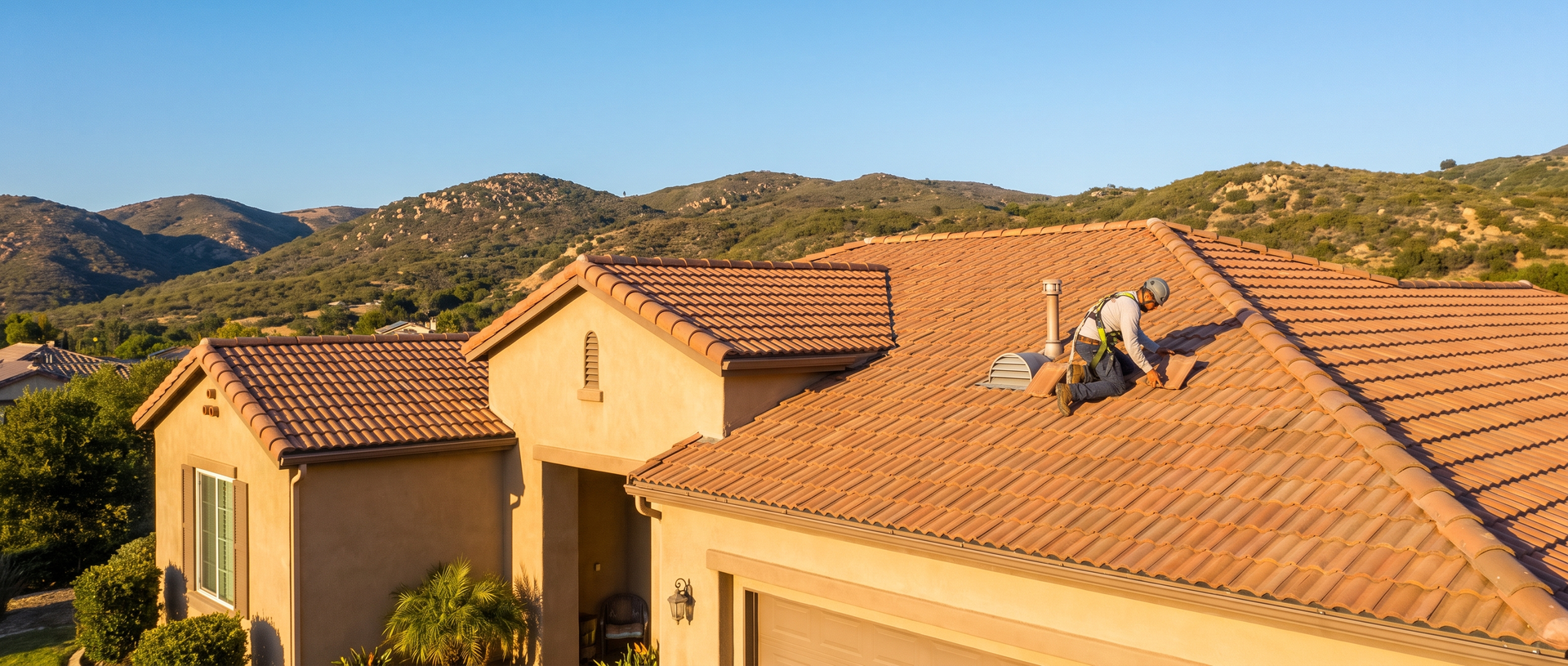
| Home with an aging roof | Roof assessment before solar | Avoids removing panels later for roof work |
The table isn't a verdict. It's a starting point for a conversation about your utility bills and daily habits.
You can explore Sunline Energy's solar, battery storage, roofing, and EV charging services to see how these pieces connect.
This helps households who want relief in the evening hours, when their usage actually peaks.
What This Looks Like on a Carmel Valley Evening
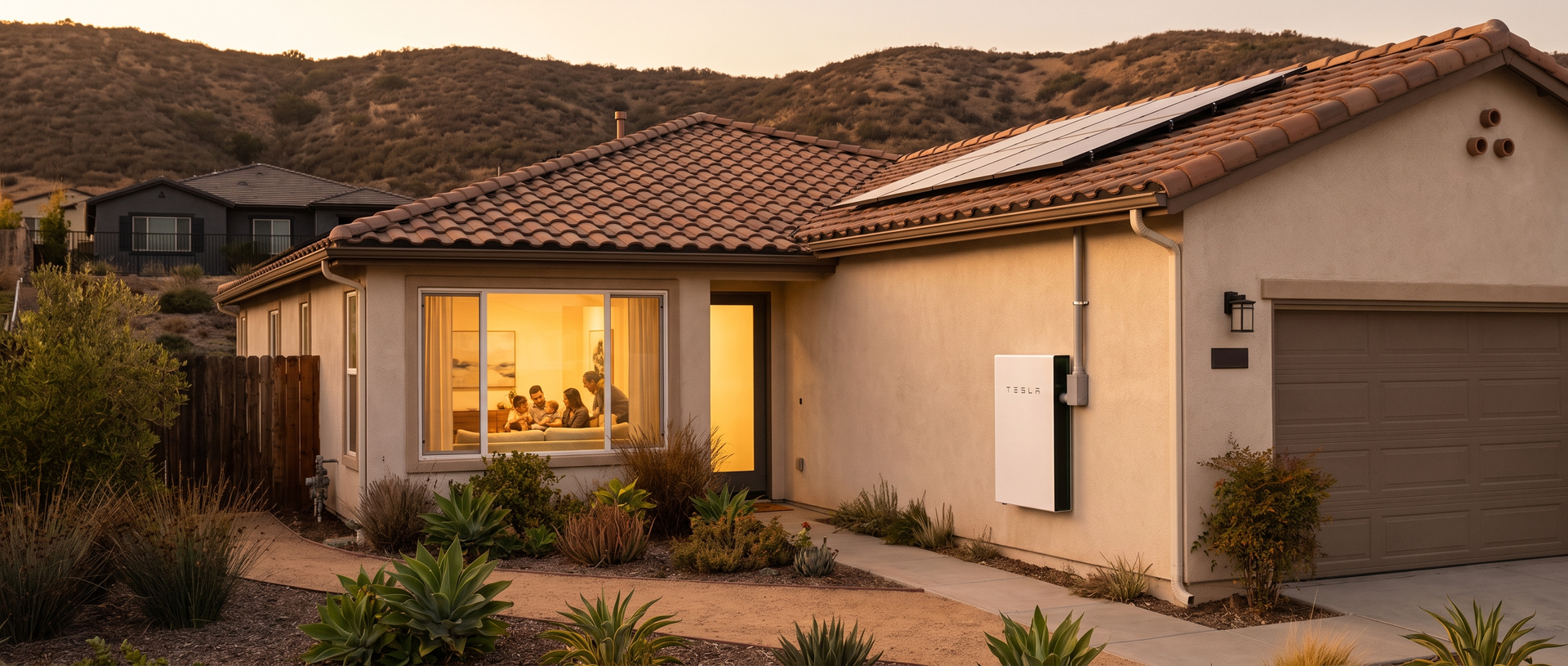
Picture 6:30 p.m. on a September weeknight. You've just turned off El Camino Real, the house has held the afternoon heat, and the AC kicks on while someone starts dinner.
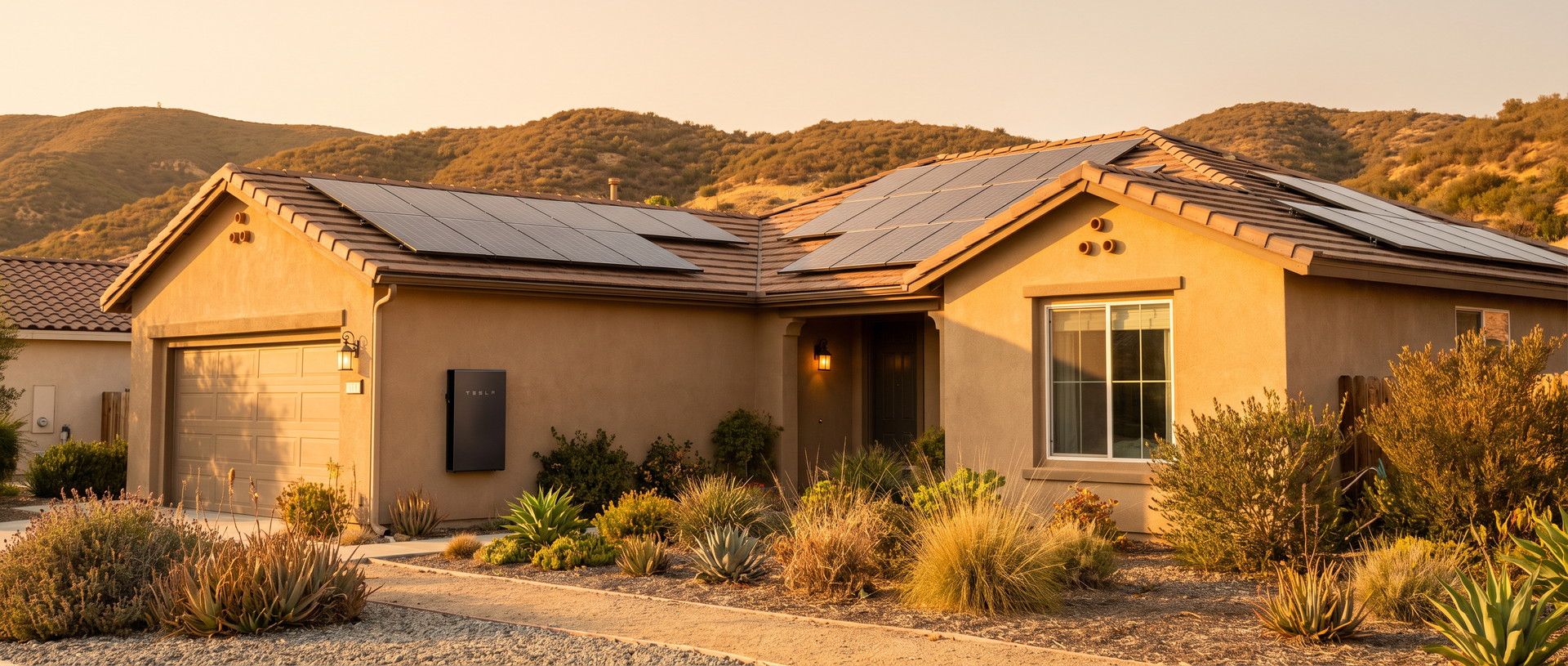
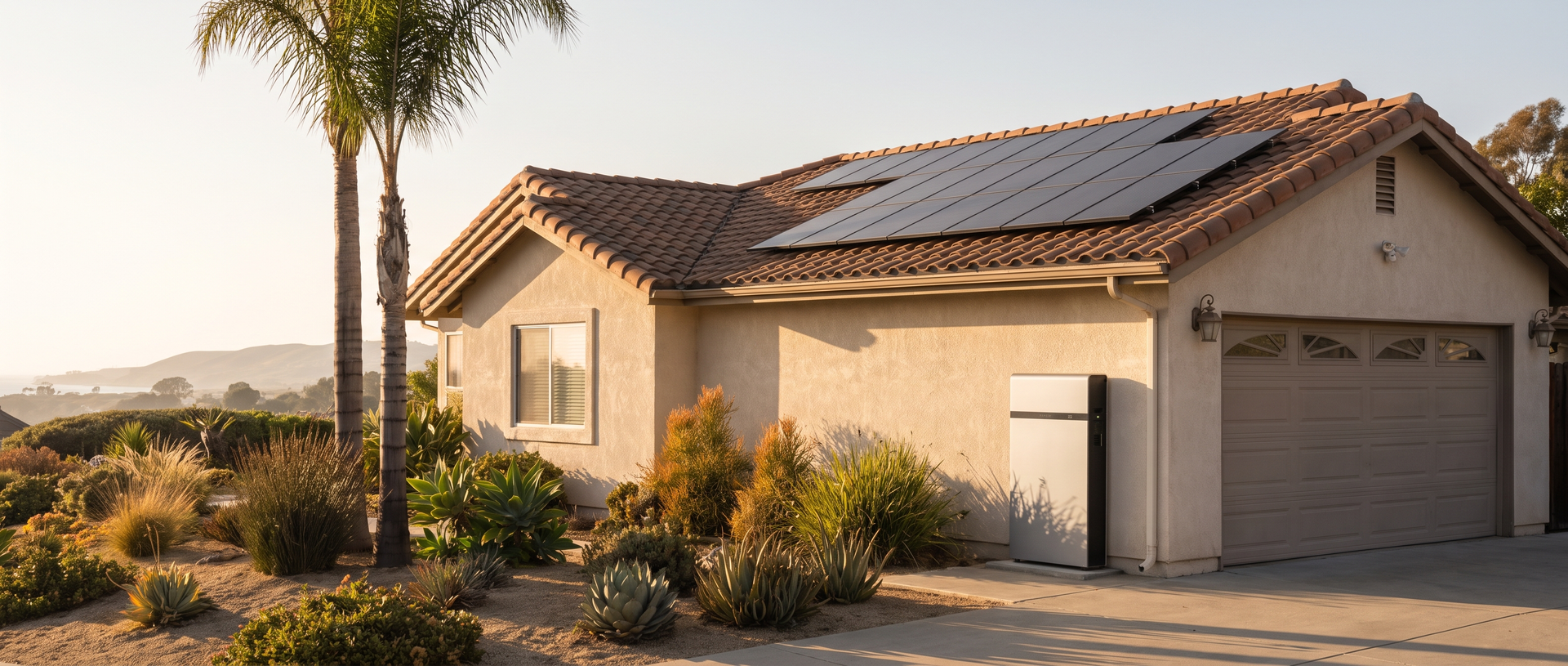
In a solar-only home, most of that power comes from the grid during evening rate periods. With a battery, much of it can come from energy your panels produced at noon.
A battery turns daytime sunshine into evening comfort. For night-heavy households, it's often the piece that makes solar fit.
Is it the flashiest upgrade? No. But it addresses the exact problem you started with.
Carmel Valley's coastal location brings one more wrinkle. The morning marine layer in late spring and early summer can soften early production, so a careful design uses realistic estimates rather than best-case ones.
Your evening load profile matters more than your panel count.
This benefits families who'd rather have predictable evenings than a bill that spikes after sunset.
Ownership Reality: Living With the System Long Term
Getting started involves a few steps that are easy to underestimate:
- Site and roof review. Roof condition, shading, and electrical panel capacity all affect the design.
- Permits and inspections. Local approvals are required before the system can operate.
- Utility interconnection. SDG&E must approve the system before it's switched on. Timelines vary, so build in some flexibility.
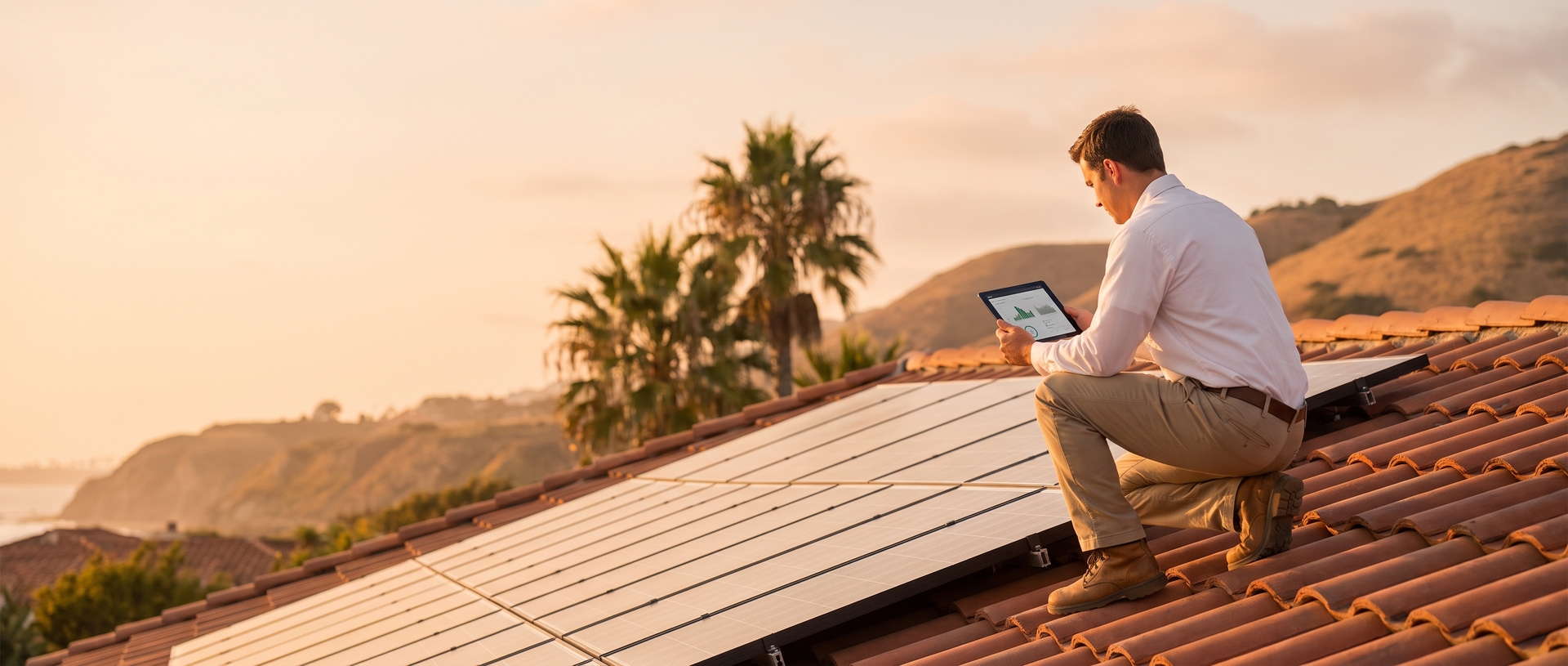
Month one, you're learning the monitoring app and watching the battery cover your evenings. By year three, the routine feels automatic, and the system mostly runs in the background.
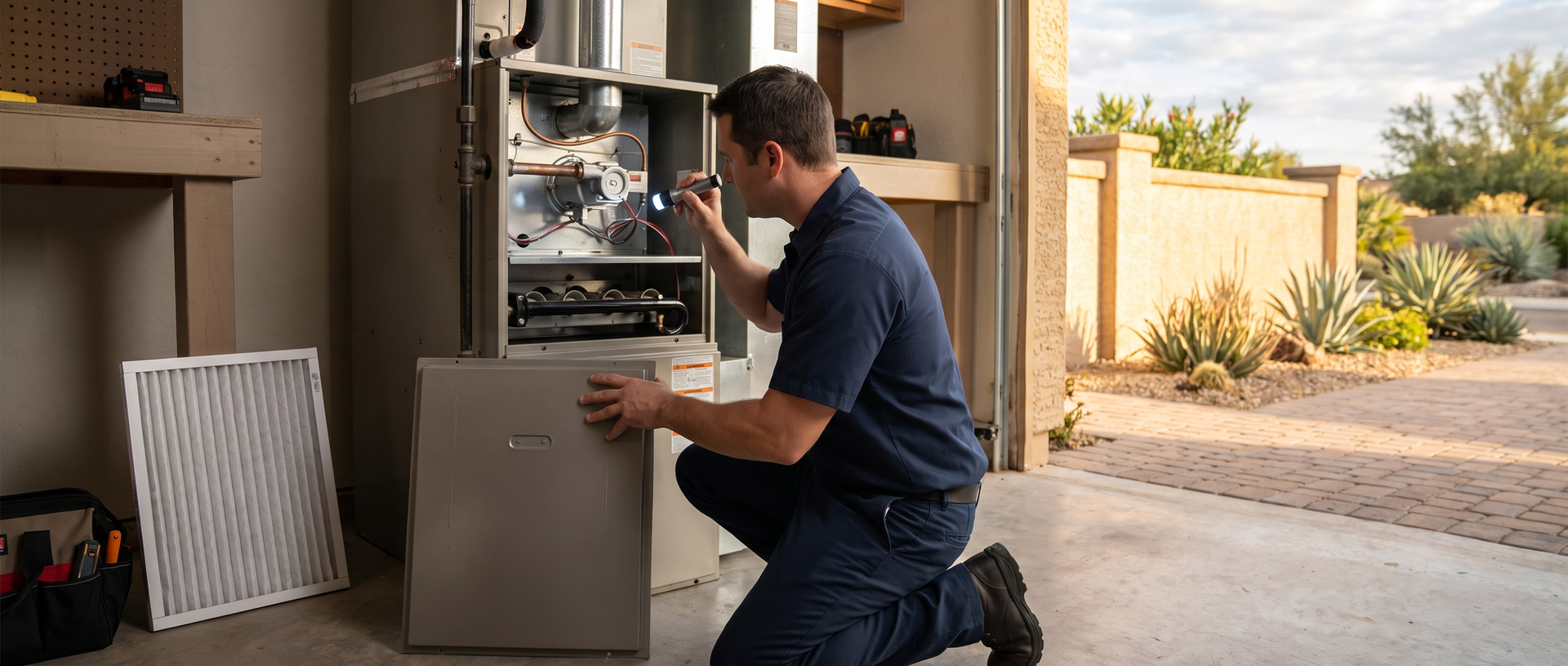
Panels need little routine care, though monitoring and occasional cleaning help. Batteries and inverters benefit from software updates and periodic checkups, and Sunline Energy's support team can help with service questions over time.
Incentives, tax credits, and utility programs change, and not every household qualifies. Verify current eligibility and program details before you decide.
This matters for homeowners who want long-term confidence, not just a good first month.
Common Questions About Solar for Nighttime Energy Use in San Diego
Can solar help if I use most of my electricity at night in San Diego?
Yes, in many cases, especially when paired with battery storage. Panels produce power during the day, and a battery stores it for evening use. Your actual benefit depends on your usage, roof, and current SDG&E rate plan, so a review of your bills is the best first step.
Do I need a battery to use solar energy at night?
Not always, but storage often matters more for night-heavy homes. Without a battery, excess daytime energy goes to the grid and is credited under current billing rules, which may be worth less than what you pay at night. A battery lets you use more of your own solar.
How much battery storage does a Carmel Valley home need for nighttime use?
It depends on your evening load rather than a rule of thumb. Reviewing past utility bills, air conditioning habits, cooking, and EV charging shows how much energy you use after sunset. That information shapes battery sizing and whether one or more units makes sense for your home.
Will solar with battery storage keep my San Diego home running during an outage?
Many battery systems can provide backup power during an outage, depending on the equipment and configuration. Some homes back up only essential circuits, such as the refrigerator and lights, while others cover more. Ask your installer exactly which loads your design will support before installation.
Is Solar for Nighttime Energy Use Right for Your Home?
If your evenings drive your electric bill, solar alone may leave value on the table. If you pair it with storage sized to your routine, the sunshine your roof collects at noon can carry you through dinner, laundry, and EV charging.
That's the calmer, more predictable evening most homeowners are after. Know a neighbor weighing the same question? Sunline Energy's referral program makes it easy to pass along, or you can contact Sunline Energy to talk through your usage.
Ready to See What Fits Your Evenings?
Talk with Sunline Energy about a solar and battery design built around your property and your nighttime energy use.