
Is a Home Battery for PSPS Outages in Santee Worth It?
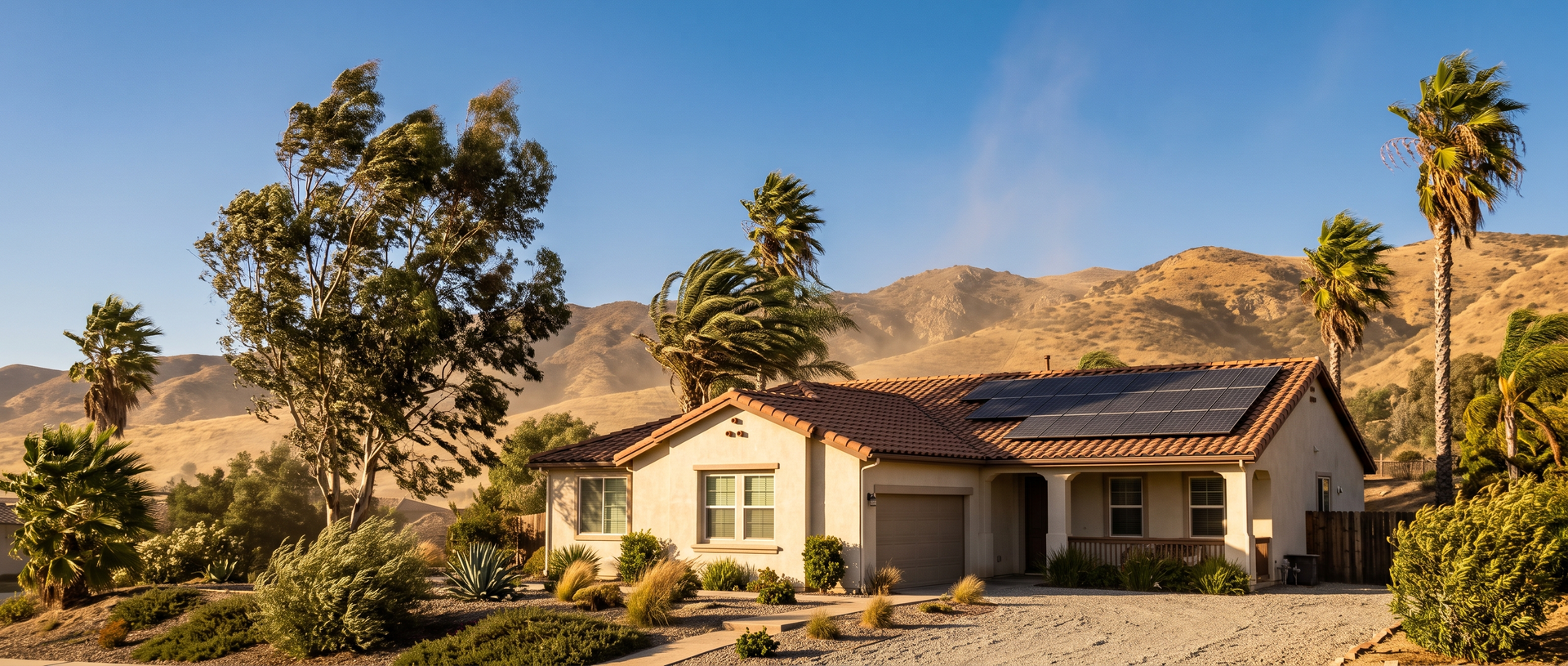
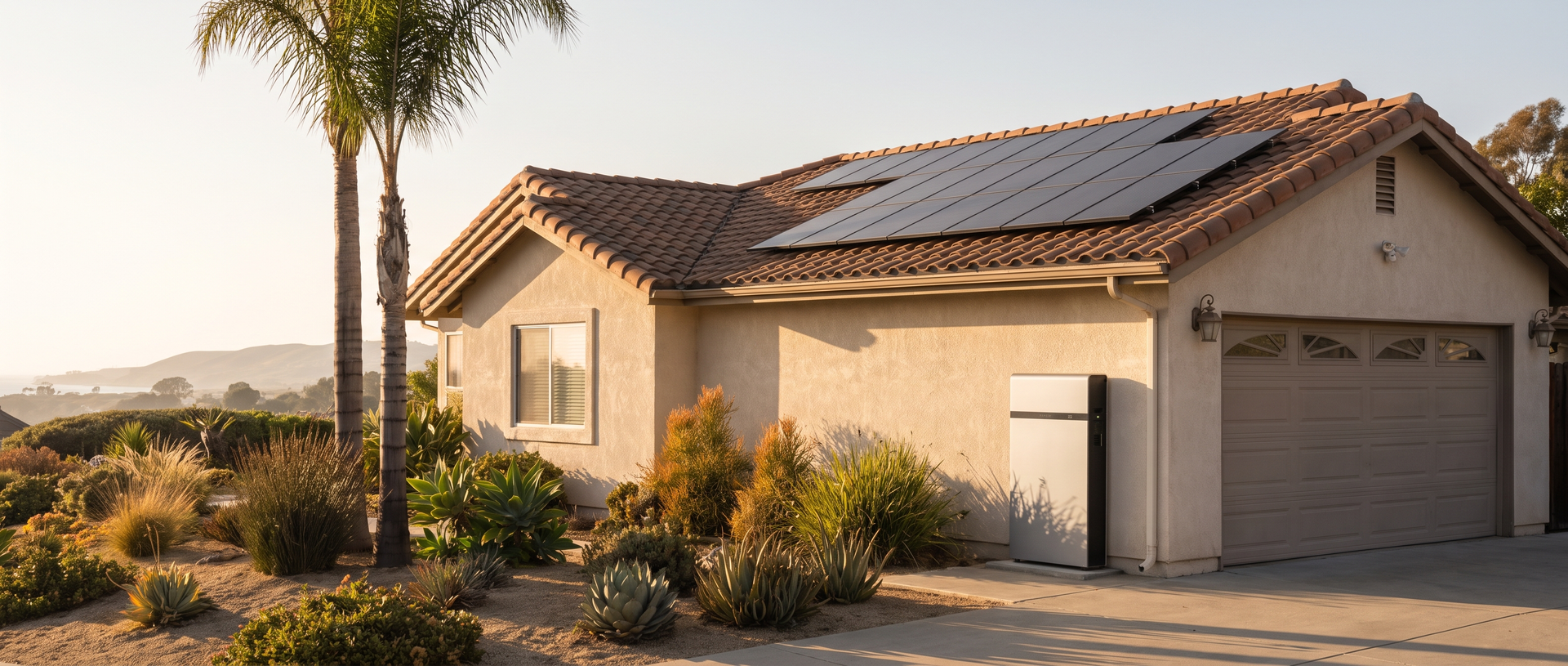
A home battery for PSPS outages can turn a Red Flag Warning from a scramble into a quiet evening at home. In Santee, the city has warned residents during Santa Ana wind events that SDG&E Public Safety Power Shutoffs may be possible.
So the real question isn't whether shutoffs are inconvenient. It's whether storage fits your home, your daily needs, and your budget. This guide walks you through that decision honestly.
Key takeaway: A battery earns its place when losing power costs you more than comfort. Medical equipment, remote work, and multi-day shutoffs are where storage matters most.
Which Kind of Backup Household Are You?
Before comparing equipment, figure out what an outage actually threatens in your home. Most East County homeowners fall into one of three groups.
- The Essentials Protector. You might be someone who needs a CPAP, an oxygen concentrator, or a refrigerator full of medication and groceries to keep running. Comfort is secondary.
- The Work-From-Home Holdout. You might be someone who can't lose a weekday. Internet, a laptop, and a few lights are the difference between a normal day and a lost one.
- The Whole-Home Comfort Seeker. You might be someone on a larger lot in Lakeside or near El Cajon who wants air conditioning, a well pump, or most circuits running.
Each group needs a different system. That's why Sunline Energy starts with your priorities, not a product sheet.
This matters because the right answer for one household can be oversized, or undersized, for the next.
Matching a Battery Plan to Your Priorities
Here's the thing: there is no single "best" battery setup. There's the setup that fits what you need to keep running and for how long.
| If You're This Household | Consider This | Why It Fits |
|---|---|---|
| Essentials Protector | Battery with an essential-loads panel | Focuses stored energy on critical circuits so it lasts longer |
| Work-From-Home Holdout | Battery paired with new or existing solar | Daylight can recharge storage during multi-day shutoffs |
| Whole-Home Comfort Seeker | Larger or multiple batteries with load management | Supports bigger loads, but panel capacity and sizing matter |
| Rarely affected, light needs | Portable power station for now | Lower commitment if shutoffs seldom reach your street |
That last row is honest advice. Not every home needs permanent storage. You can learn more about our team and how in-house engineering, electrical, and roofing work come together in a single design.
What a Shutoff Day Looks Like, With and Without Storage
It's 6 p.m. The wind is picking up off the hills, and the SDG&E alert lands on your phone.
Without backup, the evening becomes triage. You check the fridge, charge every phone, and wonder whether the CPAP will make it through the night. Power returns only after crews patrol and inspect the lines, often in daylight, so a short outage can quietly become two days.
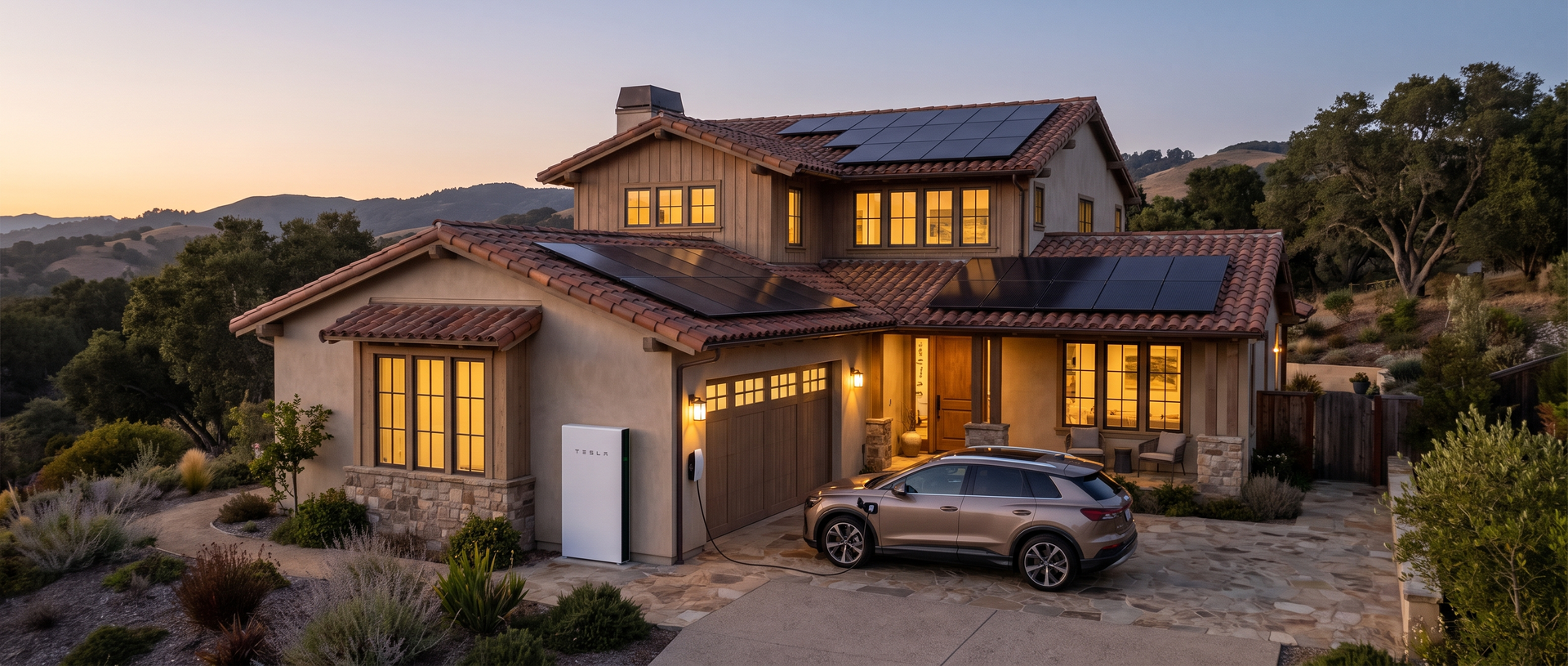
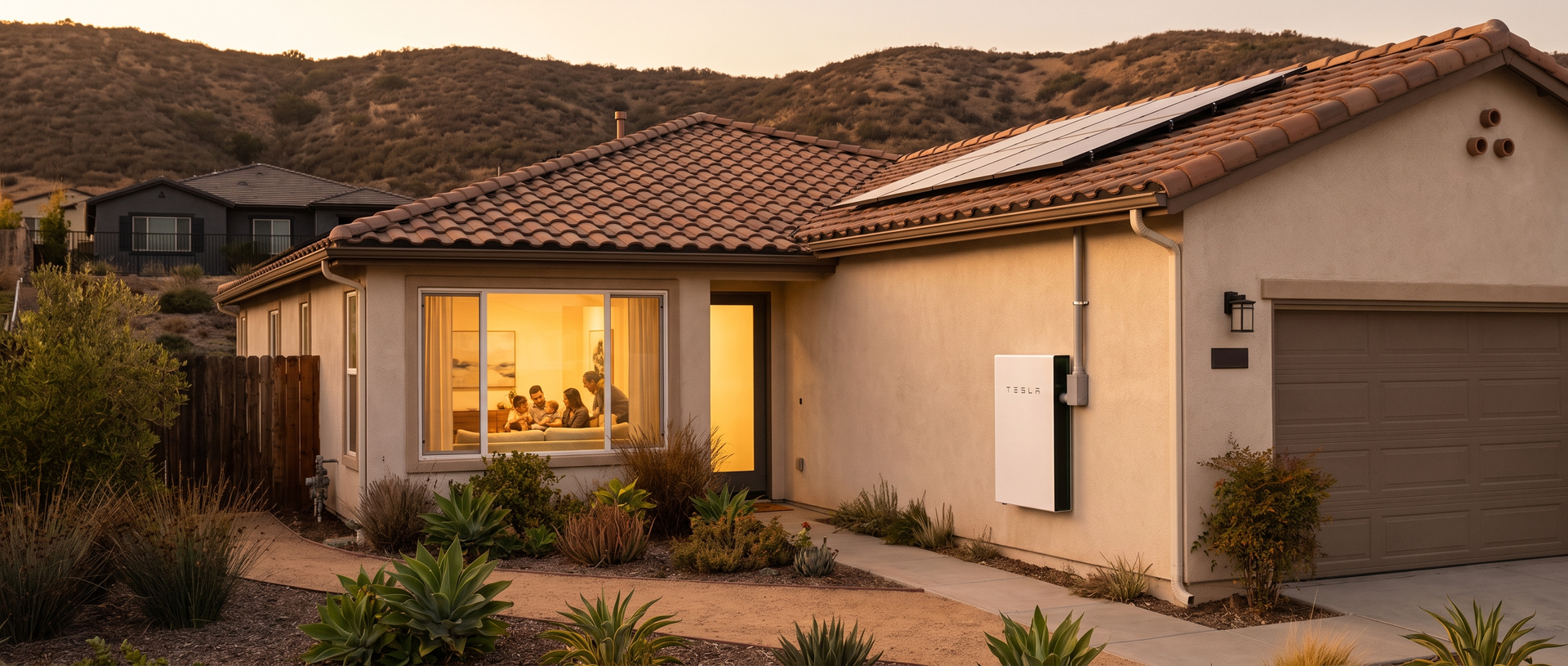
With a properly designed battery, the house switches over on its own. The fridge hums. The router stays on. Nobody drives SR-52 hunting for an outlet.
Is it perfect? No. A battery has limits, and inland Santa Ana days run hot. But a few details shape the experience:
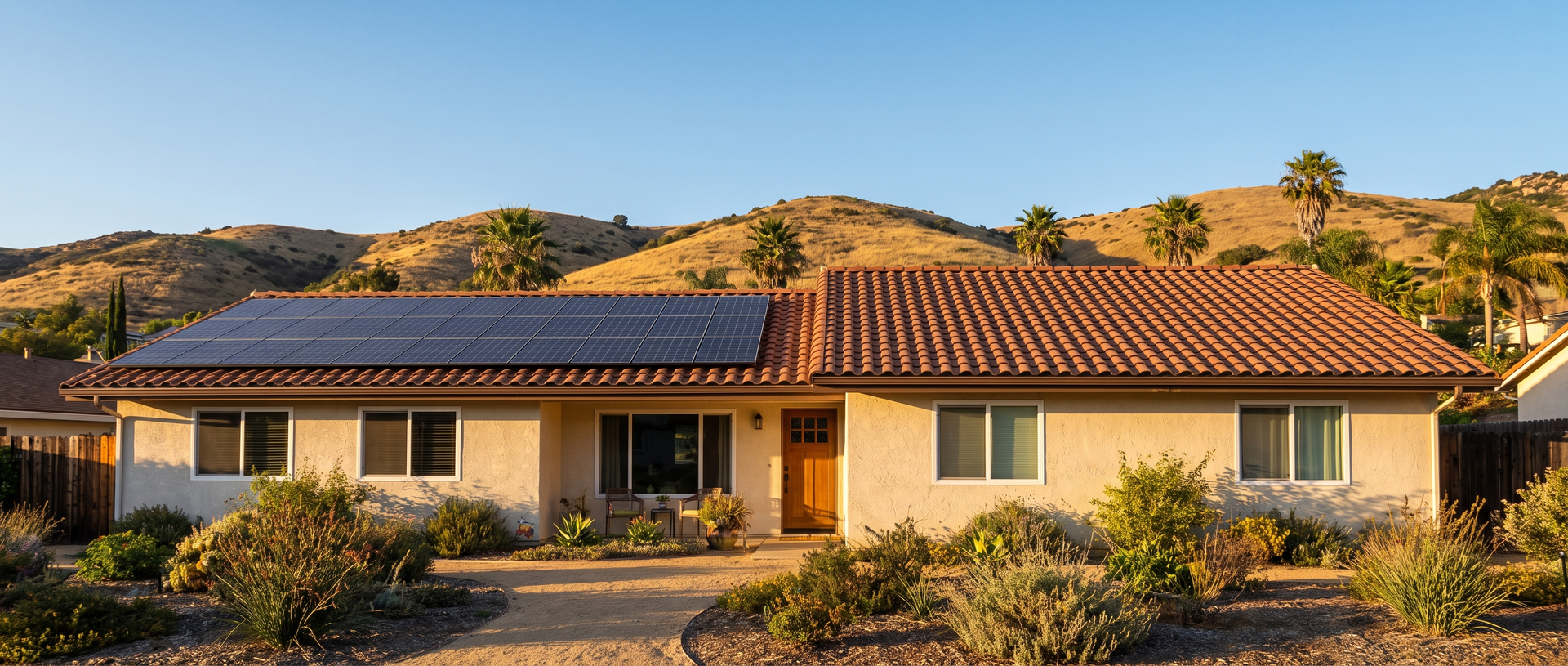
- Solar panels on their own shut down during a grid outage for safety. A battery and backup equipment are what let solar keep working.
- Without solar, a battery is a finite tank. It can't refill until the grid returns.
- Central air is the biggest variable. Planning around it changes the system size more than anything else.
This helps households that want certainty, not guesswork, when the next Red Flag Warning arrives.
Owning a Battery: From Install Day to Year Five
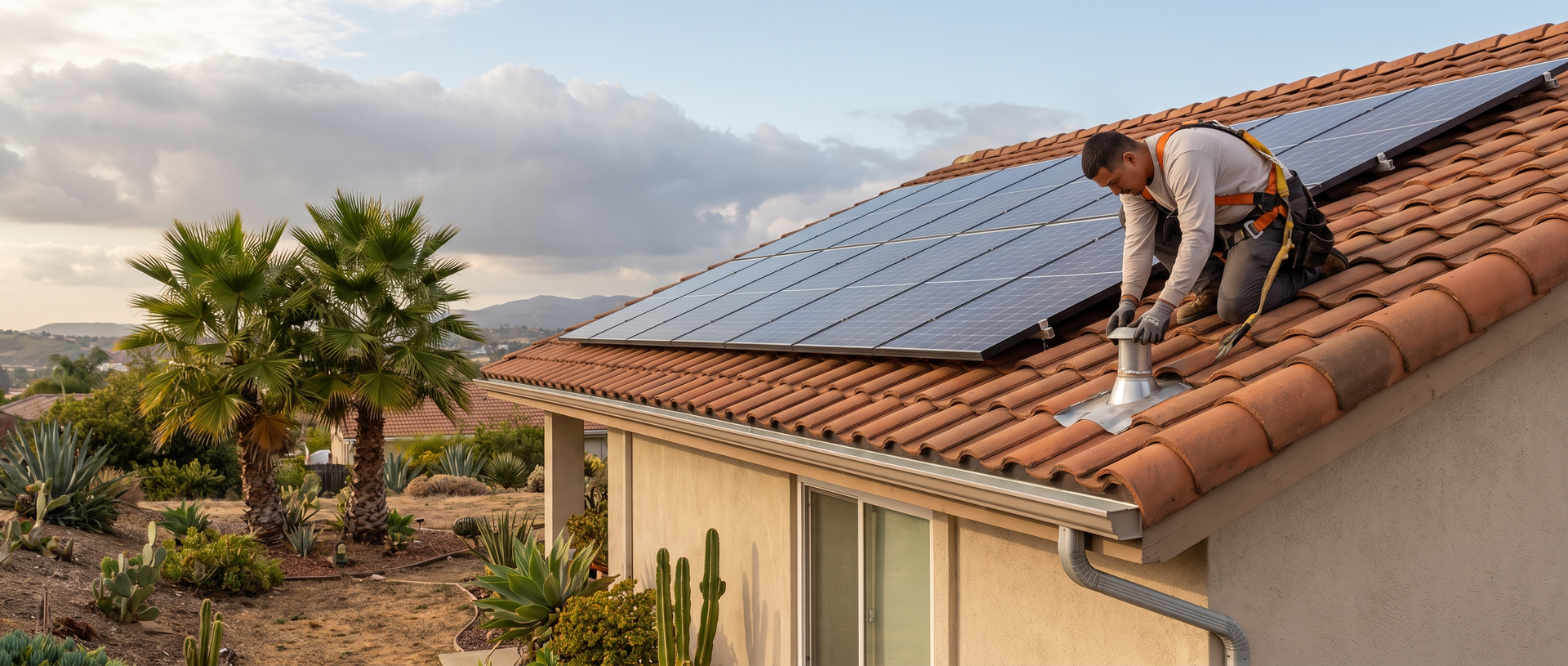
Ownership starts before the battery arrives. Expect a site evaluation, a City of Santee permit, an inspection, and SDG&E interconnection approval when solar is involved.
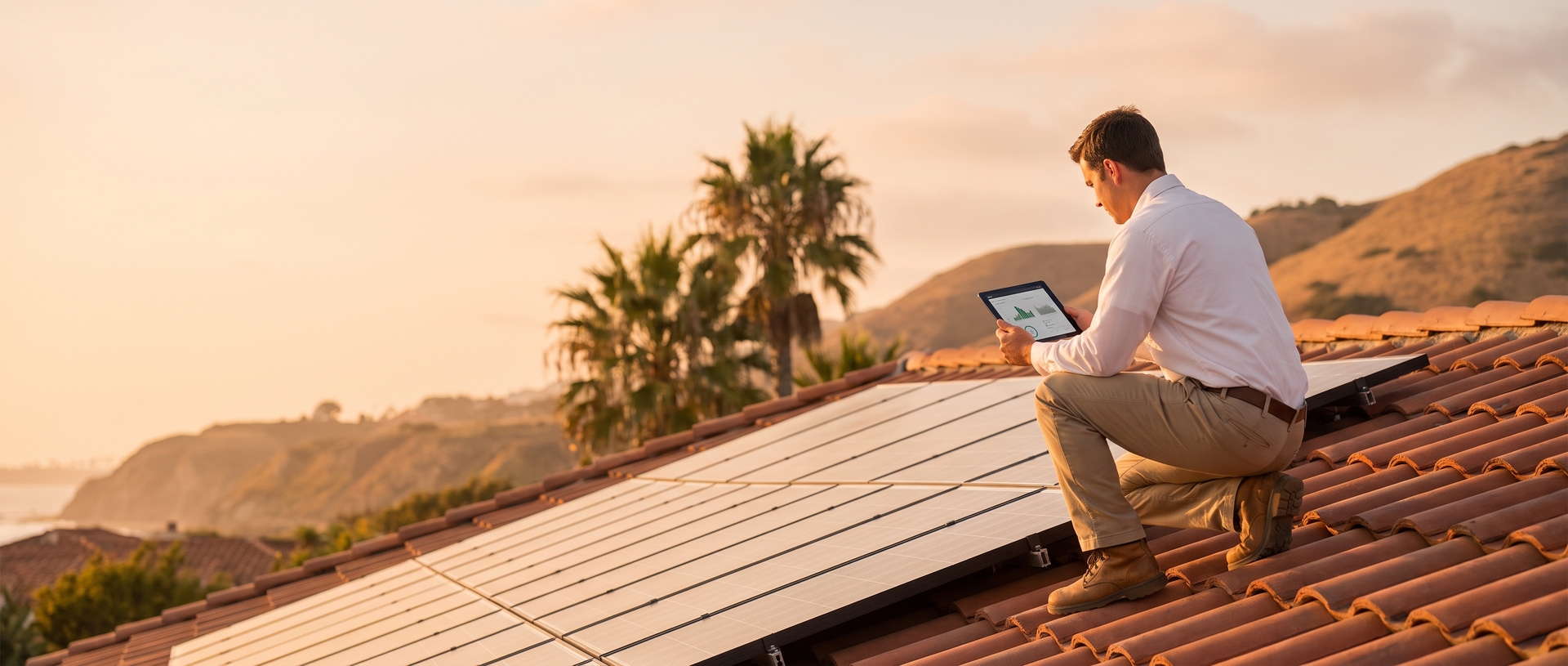
Month one: you learn the monitoring app and set a backup reserve, the share of storage held back for outages. During fire season, many owners keep that reserve high.
Year one: you'll likely see how the battery also shifts stored solar into evening hours under California's current billing rules. Results vary by home and usage.
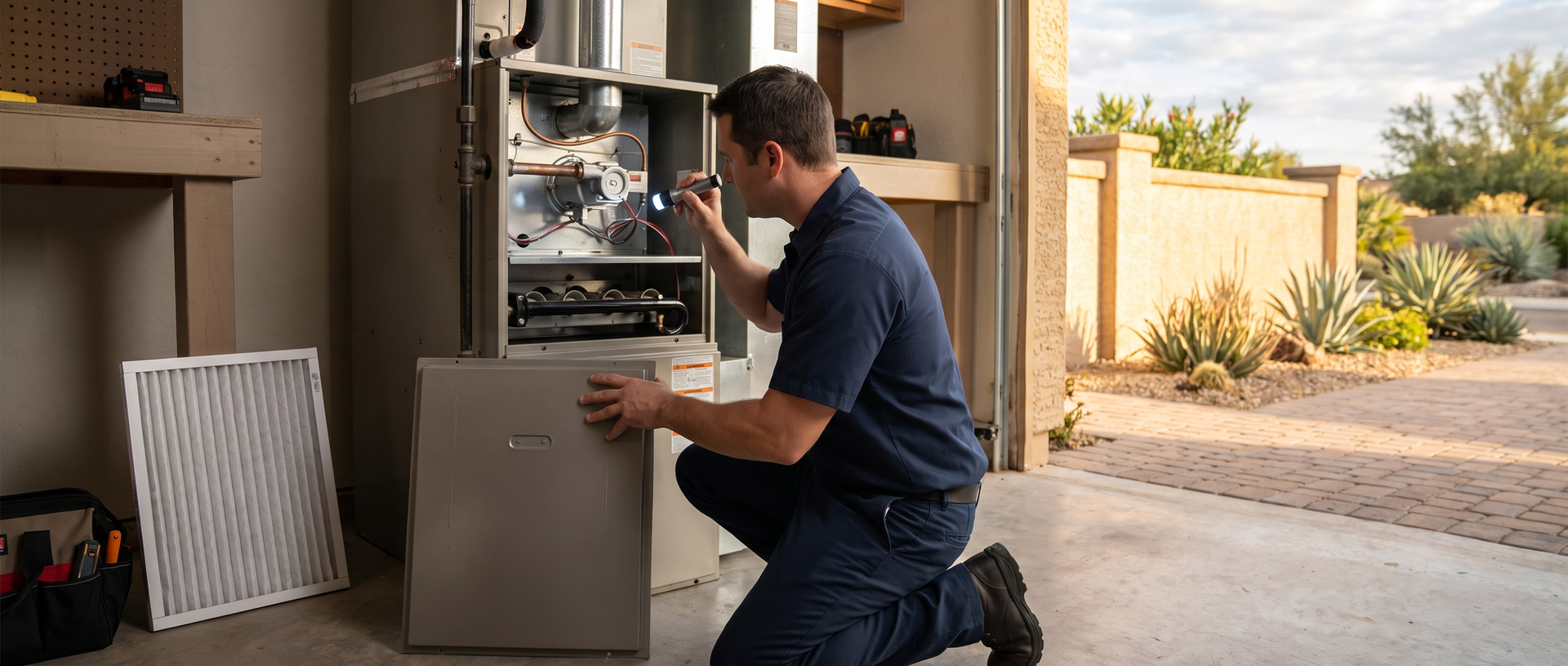
Year three and beyond: software updates, periodic checkups, and manufacturer warranty terms, which vary by product, keep the system on track. Our support team is there for questions long after installation.
One more reality check on incentives. The federal Residential Clean Energy Credit no longer applies to homeowner-owned systems with expenditures after December 31, 2025. California's Self-Generation Incentive Program (SGIP) may still help some households, but its funding categories open and close. Eligibility and program details change, so verify them before counting on any rebate.
Common Questions About a Home Battery for PSPS Outages in Santee
How long will a home battery last during a PSPS outage?
It depends on battery capacity and what you run. A battery powering a refrigerator, lights, Wi-Fi, and a medical device lasts far longer than one running central air. Paired with solar, it can recharge in daylight, which matters when East County shutoffs stretch across several days.
Can a home battery run my air conditioner during a power shutoff?
Sometimes, but it takes careful planning. Central air draws heavily and can drain storage quickly on hot, dry Santa Ana afternoons inland. Some homes add battery capacity or manage loads, while others back up a single room unit. A site evaluation shows what's realistic for your home.
Do I need solar panels to use a home battery for PSPS outages?
No. A battery can be installed without solar and charged from the grid. During a multi-day shutoff, though, a standalone battery cannot refill itself. Homeowners near Lakeside and El Cajon who expect longer events often pair storage with solar so daylight can recharge the system.
Are there incentives for home batteries in San Diego County right now?
Possibly, but they change often. The federal residential clean energy credit no longer covers homeowner-owned systems installed after 2025. California's SGIP may offer battery rebates, with funding categories that open and close. Verify current eligibility with the program administrator before counting on any incentive for your project.
The Bottom Line on Battery Backup
A home battery for PSPS outages is worth it when losing power costs your household more than preparing does. If you depend on medical equipment, remote work, or a full refrigerator through long wind events, storage can bring real peace of mind. If shutoffs rarely reach your street, a lighter plan may do.
Have questions first? Contact Sunline Energy anytime. And if a neighbor is weighing the same decision, our referral program makes it easy to point them our way.
Ready to Plan Your Backup?
Talk with Sunline Energy about a battery solution designed around your property, your essentials, and fire season.