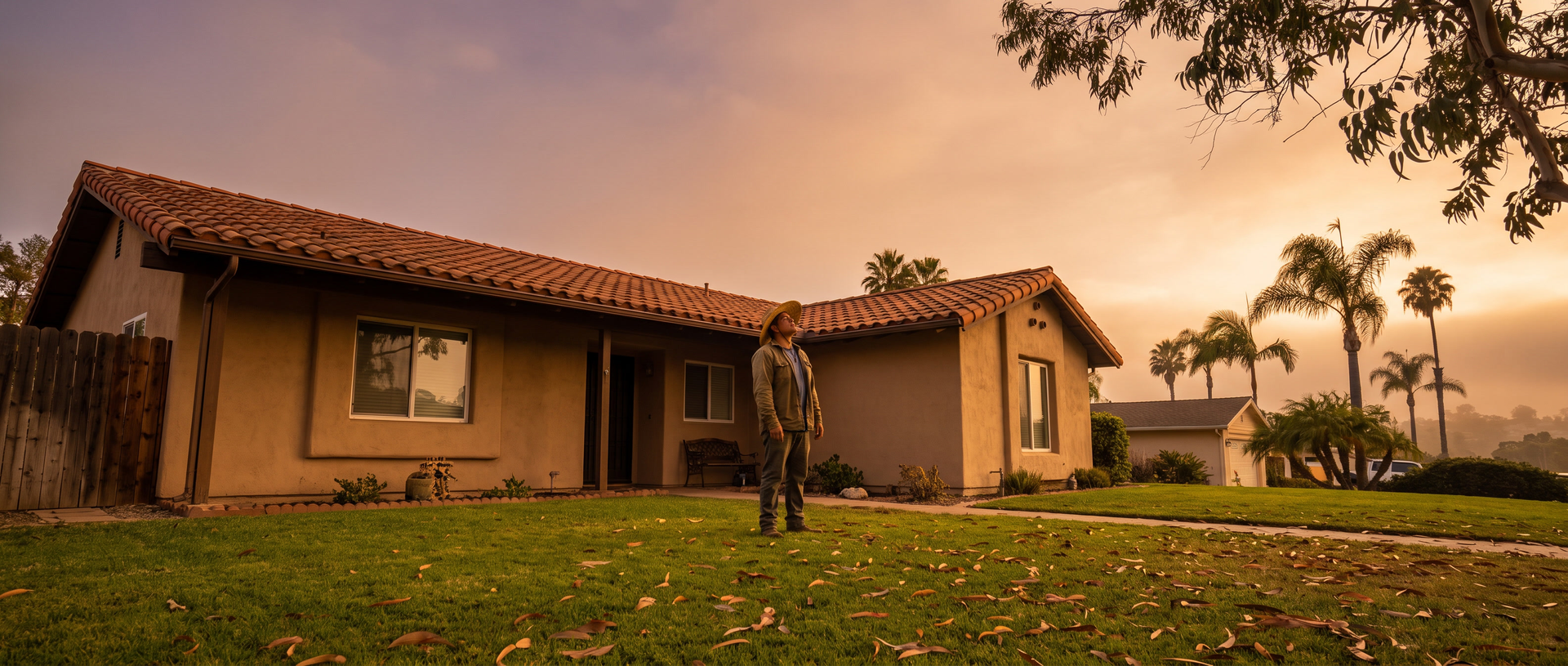

A planned power outage in San Diego is much easier to handle when you treat the advance notice as a head start. SDG&E schedules these interruptions to perform maintenance and system upgrades, and affected customers are notified before the work begins.
That notice is your window. Use it well, and outage day becomes a minor inconvenience instead of a scramble with a warm fridge, a dead phone, and a canceled video call.
Which Kind of Outage Planner Are You?
Not every household needs the same plan. Most homeowners fall into one of three groups, and knowing yours makes every other decision simpler.
The "just get through the day" household. You might be someone in Chula Vista who works from home a few days a week. You need charged devices, a food plan, and a place to take that 10 a.m. call.
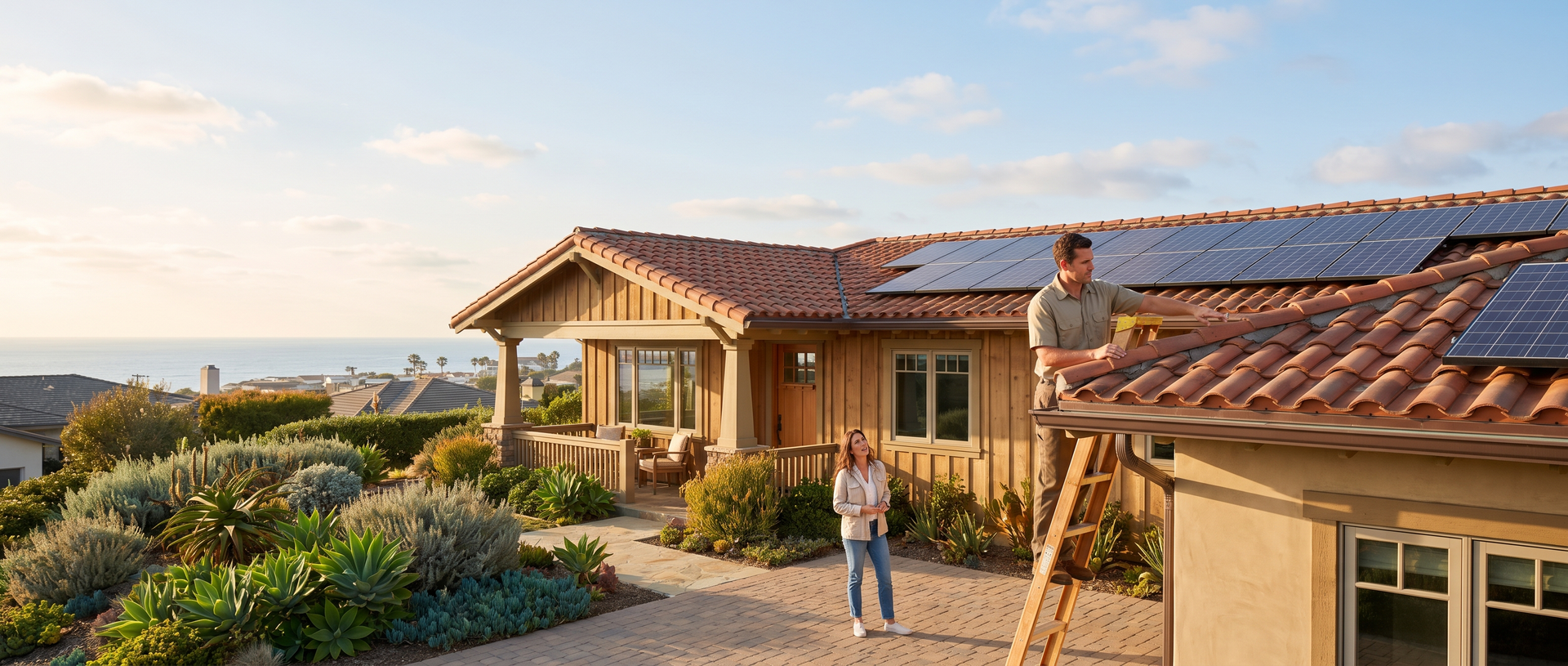
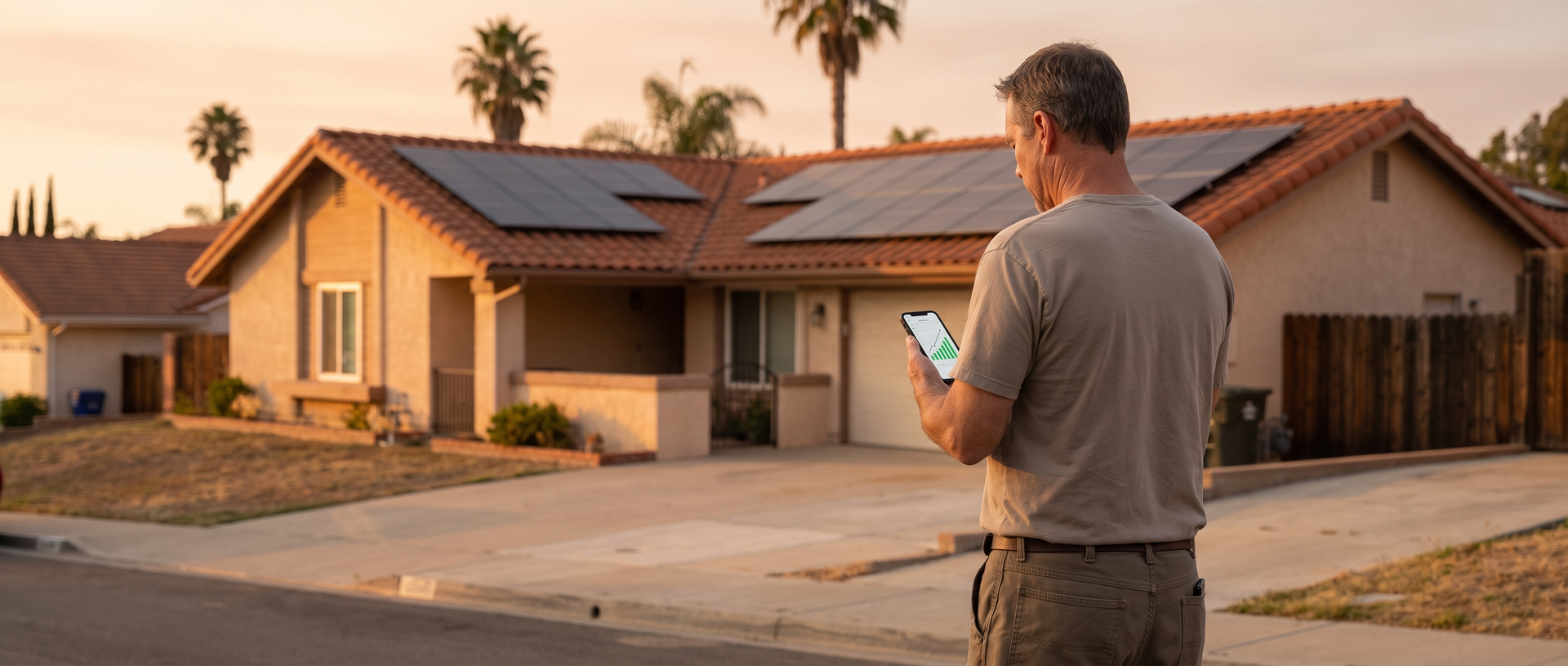
The "wait, my solar won't work?" homeowner. You might own a grid-tied solar system in Escondido and assume the panels will carry you through. Many solar owners are surprised to learn they won't, at least not without a battery set up for backup.
The "can't go without power" household. You might rely on powered medical equipment, run a business from home, or need an EV charged for an early Oceanside commute. Your plan needs more lead time and possibly dedicated backup power.
At Sunline Energy, our team of engineers, roofers, and electricians hears from all three groups. The right prep depends more on your home than on the outage itself.
Your Planned Power Outage Checklist for San Diego Homes
Start a day or two before the scheduled window. These steps cover what most households need.
- Confirm the details. Note the date and time window, and keep your contact information current in SDG&E's My Energy Center so updates reach you.
- Charge everything. Phones, laptops, power banks, flashlights, and your EV if you have one.
- Get comfortable ahead of time. On a warm day, cool the house before the power goes off and keep blinds closed.
- Plan your food. Move drinks and snacks to a cooler so the fridge and freezer stay closed.
- Protect your electronics. Unplug sensitive devices and turn off electric ranges or space heaters so nothing surprises you when power returns.
- Check doors and alarms. Learn how to open your garage door manually and let your alarm company know about the outage.
- Plan for medical needs. If anyone depends on powered equipment, talk with your provider and SDG&E well before outage day.
- Handle generators carefully. Only use one that was set up safely, run it outdoors, and let SDG&E know your plans.
Then match your next step to your home setup:
| If Your Home Has This | Consider This | Why It Fits |
|---|---|---|
| No solar or battery | The checklist above, plus power banks | Keeps essentials running with minimal effort |
| Solar without a battery | Asking whether battery storage fits your system | Grid-tied panels shut off during outages |
| Solar with a battery | Checking backup settings and charge level | Stored energy is ready for essential circuits |
| Medical or work-critical needs | A backup power design conversation | Plans around loads that cannot wait |
Already a Sunline customer with a battery? Our support team can help you review your system settings before outage day.
What Happens to Your Solar Panels When the Grid Goes Dark
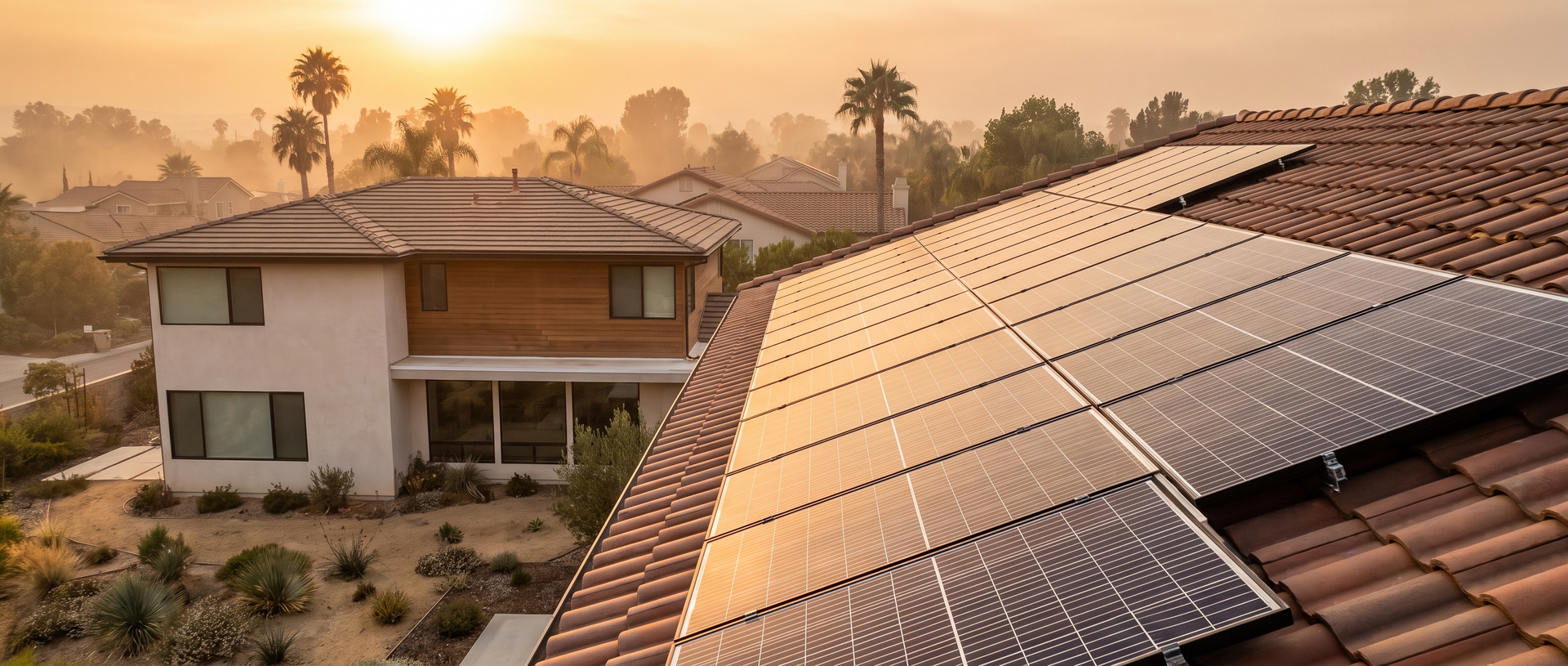
Here's the thing most people don't expect. A standard grid-tied solar system shuts itself off when utility power goes down, even on a bright afternoon.
That's intentional. It prevents your panels from sending electricity back into lines that crews are working on. Solar panels alone don't provide backup power; a properly configured battery does.
With the right battery setup, your home can separate from the grid and keep selected circuits running. Think refrigerator, lights, Wi-Fi, and a few outlets. Solar can then help recharge the battery during daylight, depending on your equipment and design.
Location plays a role too. A coastal home under the morning marine layer may stay comfortable through a short outage. An inland Escondido home on a hot fall afternoon is a different story.
And planned outages aren't the only kind. During high winds and Red Flag conditions, SDG&E may call a Public Safety Power Shutoff, which can arrive with less predictability. Prep you do for a planned outage pays off again during Santa Ana season.
Thinking Beyond One Outage
Is backup power necessary for every home? No. For many households, a good checklist is plenty.
But patterns tell you something. By the third outage, you may notice the same frustrations: a warm house, a lost workday, a freezer you worry about. That's usually when homeowners start asking better questions.
If you explore battery storage, a thoughtful plan typically looks at:
- Which circuits matter most and how long you want them covered
- Compatibility with any existing solar system and your electrical panel
- Roof condition if new or additional panels are part of the plan
- Permits, inspections, and SDG&E interconnection requirements
- Monitoring and ongoing support after installation
Having solar, roofing, and electrical work handled under one roof keeps these pieces coordinated. You can learn more about how we approach projects on the Sunline Energy homepage.
Common Questions About a Planned Power Outage in San Diego
How will I know about a planned power outage in San Diego?
SDG&E notifies affected customers in advance of a planned outage. To make sure the notice reaches you, keep your phone number and email current in SDG&E's My Energy Center and sign up for outage alerts.
Will my solar panels work during a planned power outage?
Usually not on their own. Most grid-tied solar systems shut off automatically when the grid goes down, which protects utility crews working on the lines. To keep essential circuits running, you typically need a battery system designed and configured to provide backup power.
Is it safe to use a portable generator during a planned power outage?
It can be, if it is used correctly. Run portable generators outdoors, away from windows and doors, and never connect one to your home's wiring unless a licensed electrician installed proper transfer equipment. SDG&E also asks customers to let them know about generator plans before an outage.
How can I keep food cold during a planned power outage in San Diego?
Keep refrigerator and freezer doors closed as much as possible so cold air stays inside. Before the outage, plan simple meals, move drinks and snacks to a cooler with ice, and freeze water bottles to help fill empty freezer space. When in doubt about food safety, throw it out.
Walk Into Outage Day Prepared
A planned power outage in San Diego doesn't have to disrupt your whole day. If you charge up, plan your food, and know how your system behaves, the hours pass quietly. If outages keep costing you comfort or work, that's a sign to explore backup power at your own pace.
Questions about your system? Contact Sunline Energy. And if a neighbor is asking the same questions, our referral program makes it easy to pass us along.
Ready to Take the Next Step?
Talk with Sunline Energy about a backup power solution designed around your property and energy goals.