As power outages, grid instability, and rising utility costs continue affecting California homeowners, more families are looking beyond solar panels alone and investing in home battery storage systems.
Battery storage allows homeowners to store excess solar energy for later use, helping maintain power during outages while reducing dependence on the utility grid. In areas like San Diego — where electricity rates remain among the highest in the country — battery backup systems are becoming an increasingly important part of residential energy planning.
At Sunline Energy, we help homeowners understand how solar battery systems work, what benefits they provide, and how battery storage can improve both energy resilience and long-term savings.
What Is Home Battery Storage?
A home battery storage system stores electricity for later use. When paired with solar panels, batteries collect excess solar energy generated during the day instead of sending all unused power back to the utility grid.
That stored energy can then be used:
- During evening hours
- During peak utility rate periods
- During grid outages
- On cloudy days or low-production periods
Without battery storage, most solar-only systems automatically shut down during power outages for safety reasons. A battery backup system allows certain circuits or the entire home to continue operating when grid power goes down.
Why Battery Storage Is Becoming More Popular in San Diego
California’s energy landscape has changed significantly in recent years. Homeowners are dealing with:
- Higher electricity costs
- Public safety power shutoffs
- Grid reliability concerns
- Time-of-use utility pricing
- Reduced export rates under NEM 3.0
Because of these changes, battery systems are no longer viewed as just an optional add-on. For many homeowners, they have become an important tool for managing energy costs and improving reliability.
In San Diego specifically, battery systems can help homeowners reduce expensive evening electricity usage when SDG&E rates are often highest.
How Solar Battery Backup Systems Work
A solar battery backup system works by storing unused energy generated by solar panels during the day.
Here’s a simplified breakdown:
During the Day
Solar panels power the home first. Any excess electricity charges the battery system.
During Peak Evening Hours
Instead of purchasing expensive electricity from the utility company, the home can draw stored energy from the battery.
During a Power Outage
The battery automatically disconnects from the grid and powers designated circuits or backup loads within the home.
Depending on battery size and household energy usage, backup systems may power:
- Refrigerators
- Lighting
- Wi-Fi systems
- Medical equipment
- HVAC systems
- Home offices
- Essential appliances
Tesla Powerwall and Other Battery Options
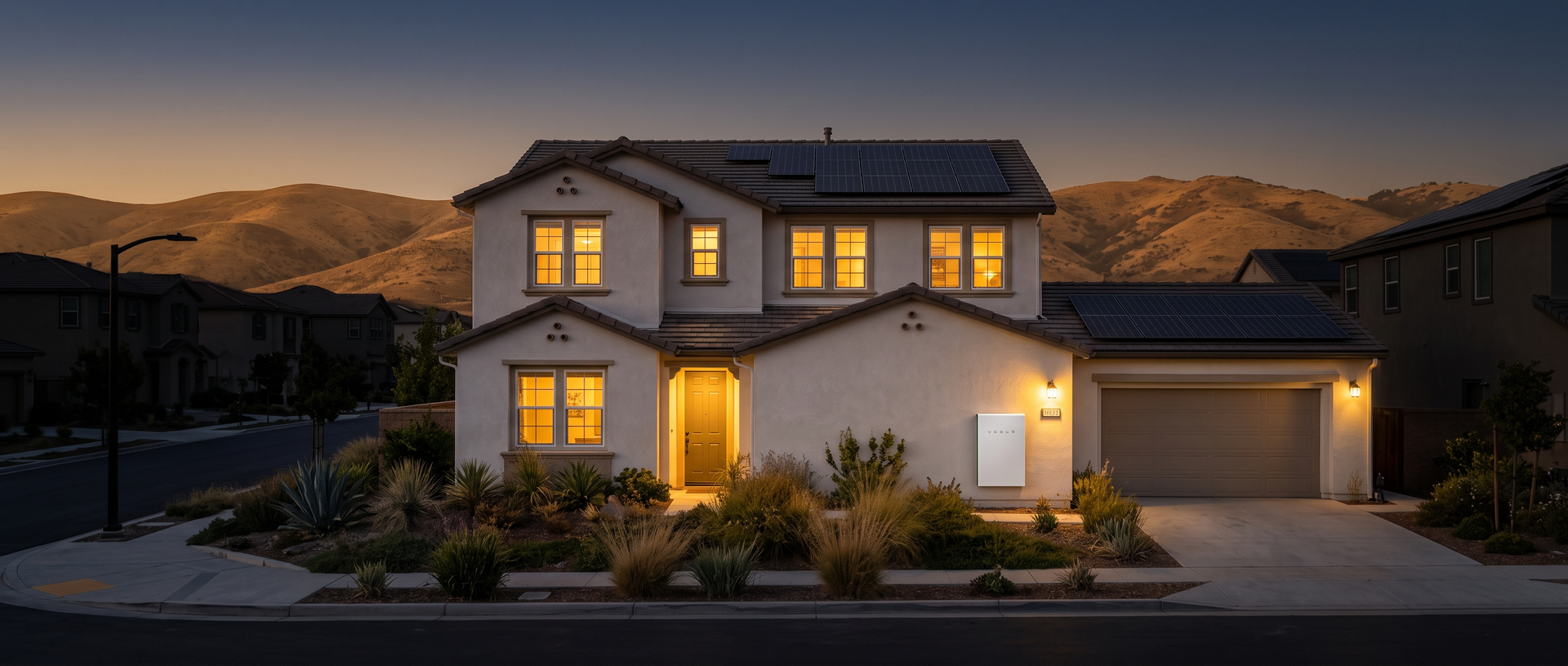
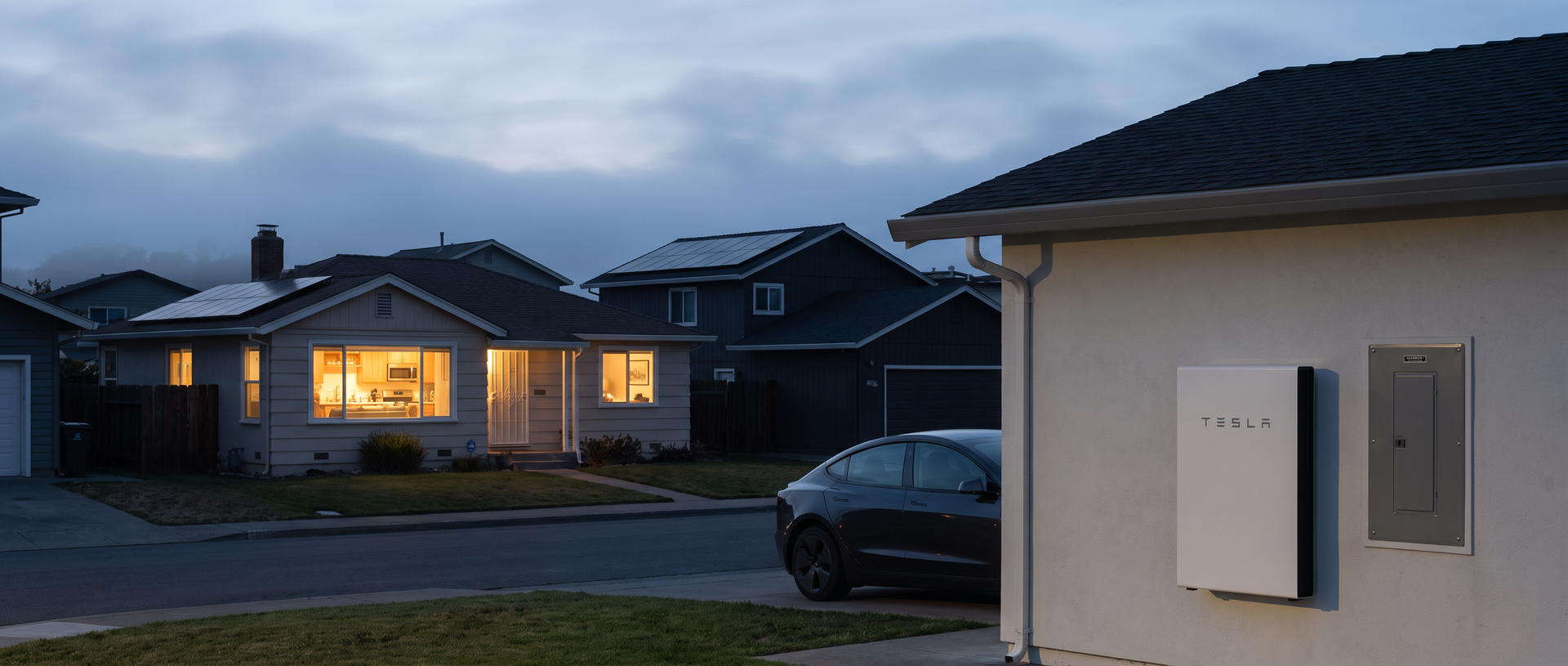
One of the most recognized battery systems is the Tesla Powerwall, which has become popular throughout California for residential solar integration.
Homeowners searching for “Tesla Powerwall California” are often looking for:
- Whole-home backup capabilities
- Seamless outage protection
- Mobile energy monitoring
- Solar integration
- Time-of-use energy optimization
However, Tesla is not the only option available. Several battery manufacturers now offer high-capacity residential energy storage systems with varying:
- Storage capacities
- Backup durations
- Expansion options
- Smart energy management features
- Warranty structures
Choosing the right system depends on the home’s energy usage, solar production, and backup goals.
Benefits of Home Battery Storage
Backup Power During Outages
One of the biggest reasons homeowners invest in battery storage is protection during unexpected outages.
Battery systems can help maintain:
- Comfort
- Safety
- Communication
- Refrigeration
- Security systems
This is especially valuable during wildfire season or rolling blackout events.
Lower Electricity Costs
Battery storage allows homeowners to avoid using expensive utility electricity during peak pricing hours.
This strategy is particularly important under California’s time-of-use billing structures.
Better Solar Utilization
Without batteries, excess daytime solar production is often exported back to the grid at lower compensation rates.
Battery storage allows homeowners to keep and use more of the energy they generate themselves.
Greater Energy Independence
Battery systems reduce reliance on the utility grid and give homeowners more control over their energy usage patterns.
Is Battery Storage Worth It in California?
The answer depends on several factors, including:
- Utility rates
- Outage frequency
- Solar system size
- Household energy consumption
- Backup power priorities
- Available incentives
For many California homeowners, battery storage has become more financially attractive as utility costs continue rising and export compensation rates decline.
Battery systems may also qualify for certain incentives or financing options when paired with solar installations.
Choosing the Right Battery Backup System
Every home has different energy needs. Some homeowners want basic backup coverage for essentials, while others want near whole-home power support during outages.
An experienced installer will evaluate:
- Electrical panel capacity
- Existing solar systems
- Daily energy usage
- Peak consumption patterns
- Critical backup loads
- Expansion potential
Proper system sizing is critical for achieving reliable performance and maximizing long-term value.
Energy Resilience Solutions for San Diego Homeowners
At Sunline Energy, we help homeowners throughout Southern California design customized solar and battery storage systems built for reliability, efficiency, and long-term energy resilience.
Whether you’re exploring a Tesla Powerwall installation, comparing solar battery backup options, or preparing for future outages, our team provides guidance tailored to your home’s specific energy needs.