With high utility rates, abundant sunshine, and growing interest in energy independence, residential solar systems can deliver significant long-term savings. However, not all solar installations are created equal.
The reality is that many of the problems homeowners experience with solar systems don't stem from the technology itself—they result from poor planning, improper system design, inexperienced installers, or overlooked property conditions. A well-designed solar installation in San Diego should be customized to the home's energy needs, roof structure, and future goals to maximize performance and return on investment.
Before moving forward with residential solar in California, here are some of the most common mistakes homeowners make and how to avoid them.
1. Choosing a System Based on Price Alone
It's natural to compare quotes when considering solar, but focusing exclusively on the lowest price can create problems down the road.
Some companies reduce costs by using lower-quality equipment, outsourcing installation crews, or cutting corners during the design process. While the upfront price may look attractive, poor workmanship can lead to performance issues, roof leaks, warranty disputes, and costly repairs later.
Instead of looking solely at price, homeowners should evaluate:
- Installer experience
- Equipment quality
- Warranty coverage
- Company reputation
- In-house versus subcontracted labor
- Long-term service support
A solar system is expected to operate for decades. Choosing a qualified contractor often delivers far greater value than selecting the lowest bid.
2. Ignoring Roof Condition Before Installation
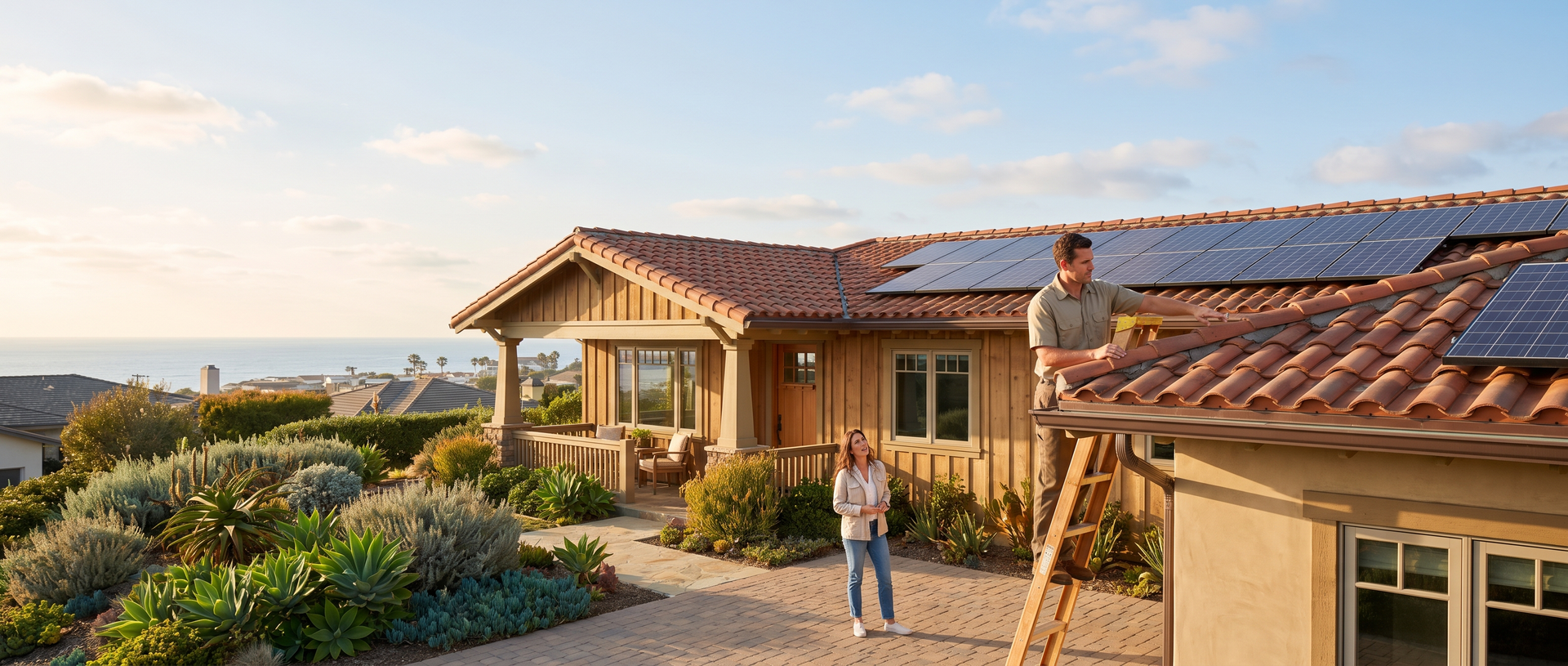
Solar systems are designed to remain in place for 25 years or more. If a roof needs replacement within a few years of installation, the panels will need to be removed and reinstalled, adding significant expense.
Professional solar contractors should evaluate:
- Roof age
- Existing damage
- Structural integrity
- Remaining lifespan
- Potential leak risks
Companies that offer both roofing and solar services can often identify and address roofing concerns before installation begins, helping homeowners avoid future complications. Proper roof assessments and roof-first installation practices help ensure long-term system reliability.
3. Failing to Account for Shading
Unfortunately, even minor shading can have a major impact on system performance.
Common sources of shading include:
- Mature trees
- Chimneys
- Roof vents
- Neighboring structures
- Utility poles
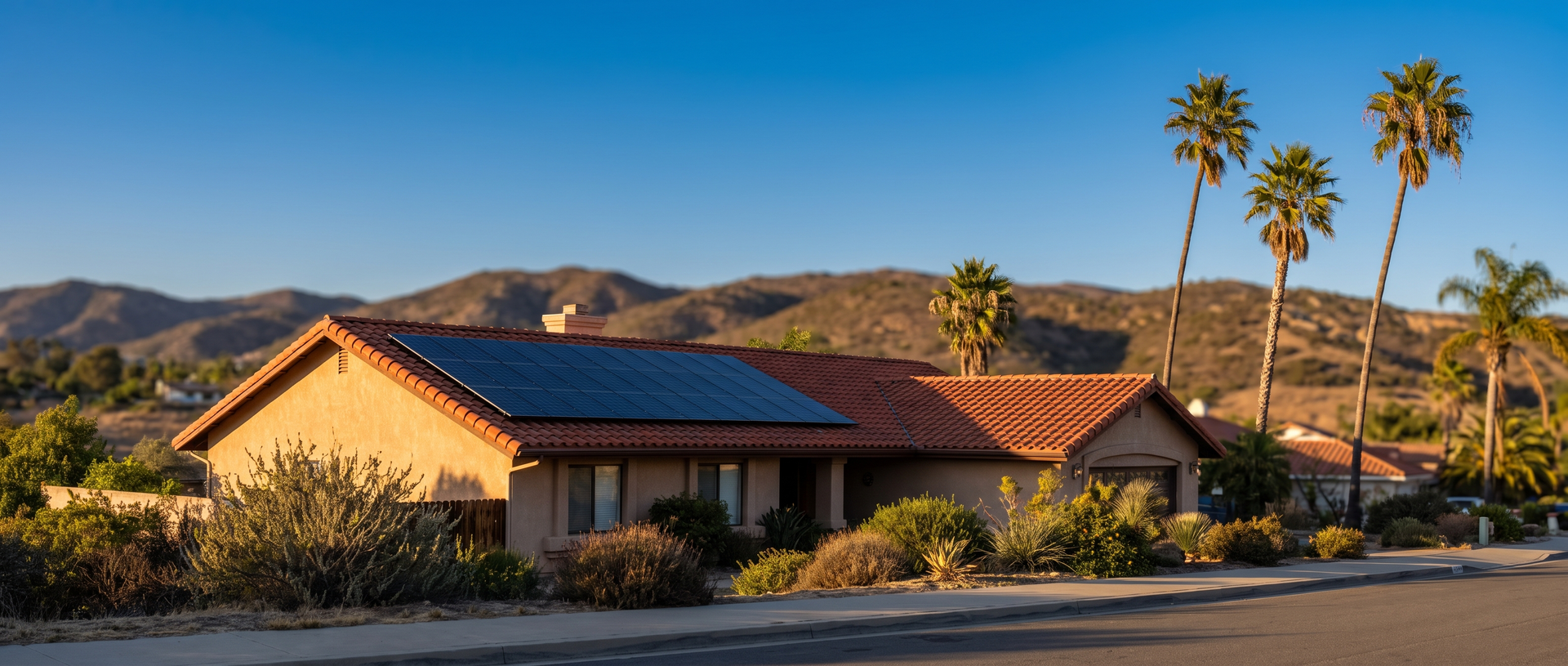
Even partial shading can reduce overall energy production if the system is not designed correctly. Advanced site assessments, shade analysis, and proper equipment selection are critical for maximizing production. Microshading and roof geometry can significantly affect solar output, making detailed design work essential.
4. Installing the Wrong System Size
An undersized system may not generate enough electricity to offset utility bills, while an oversized system can reduce financial efficiency and increase upfront costs unnecessarily.
Proper solar design should consider:
- Historical utility usage
- Future electricity needs
- Electric vehicle charging plans
- Home additions
- Battery storage goals
- Family growth
Many homeowners underestimate how their energy needs may change over time. A well-designed residential solar California system should account for both current and future consumption patterns.
5. Overlooking Battery Storage Options
Under California's current utility environment, battery storage has become increasingly important.
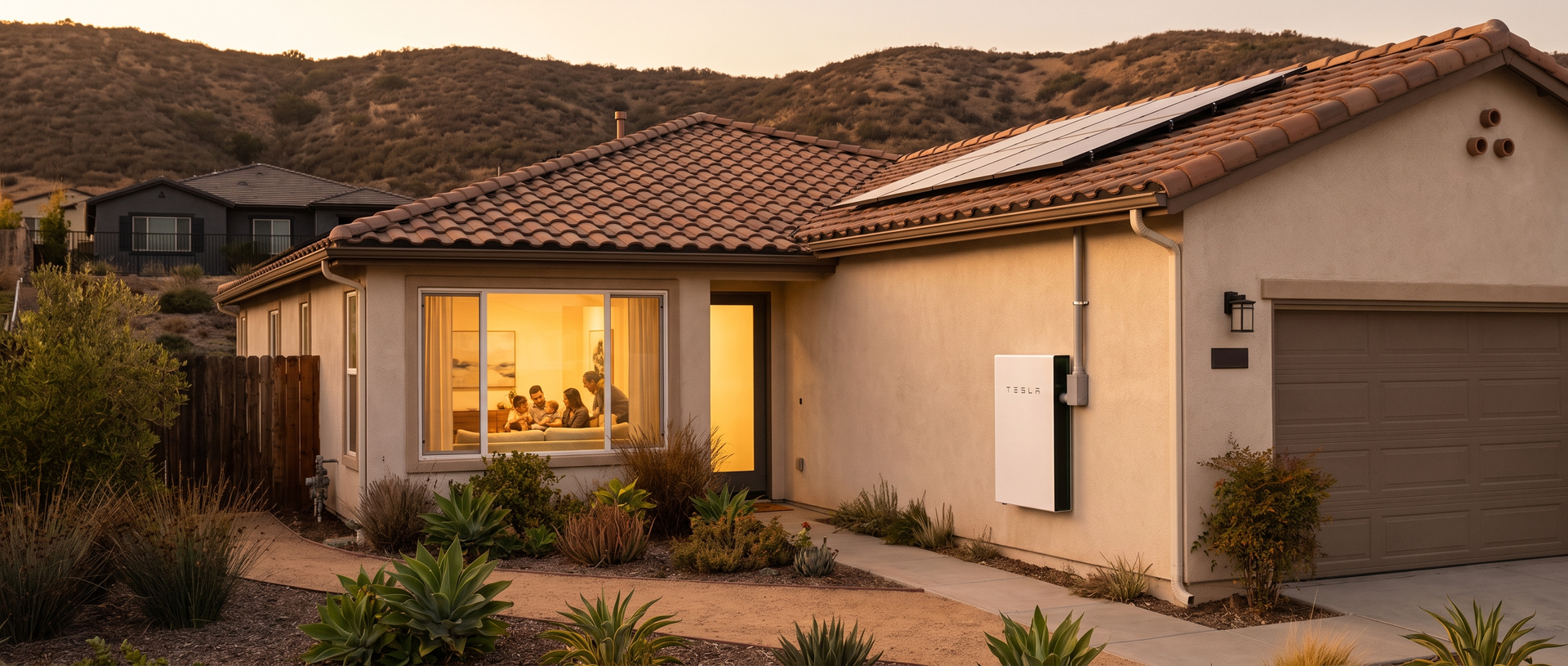
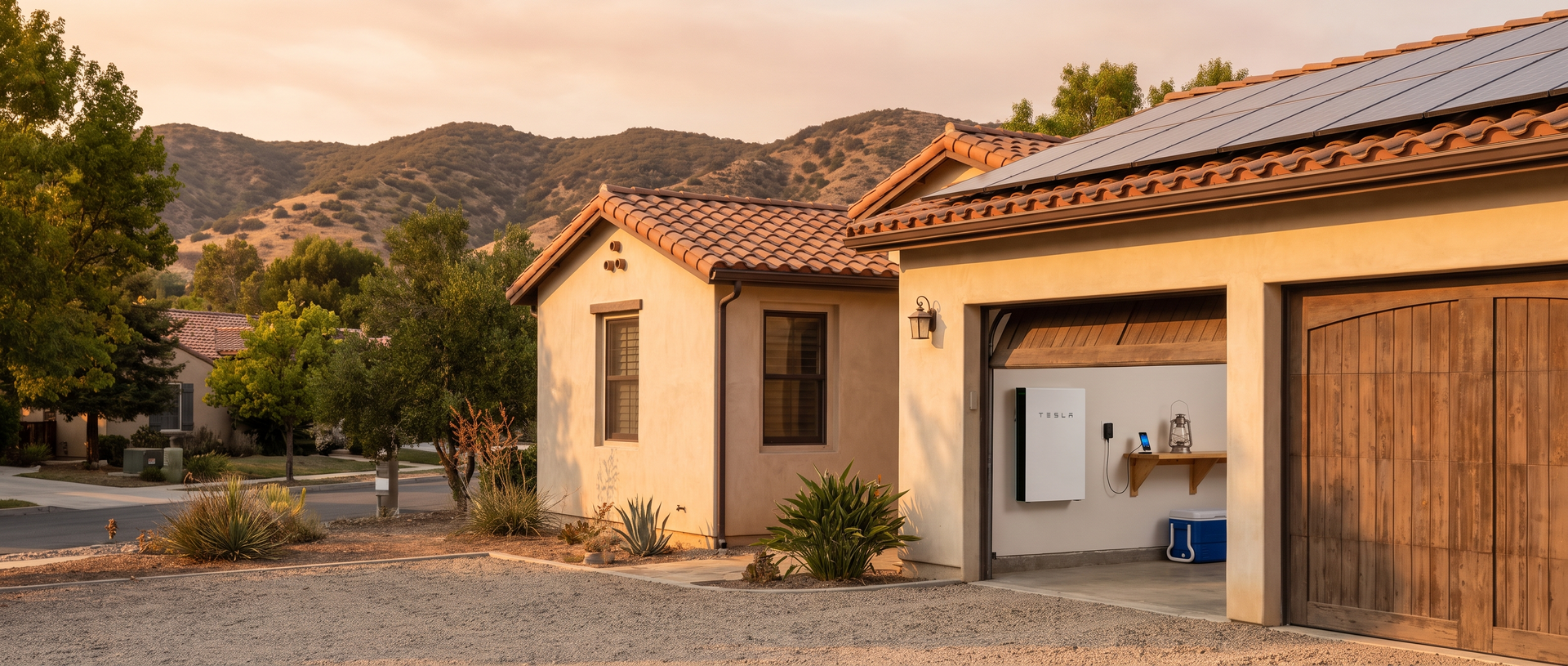
Many homeowners focus exclusively on solar panels and fail to evaluate how battery systems can improve energy savings and backup power capabilities.
Battery storage can help homeowners:
- Store excess solar production
- Reduce peak utility charges
- Improve energy independence
- Maintain power during outages
- Maximize self-consumption
With evolving utility rate structures, batteries are often about more than emergency backup—they can significantly improve overall system economics when properly sized and integrated.
6. Poor Equipment Placement and Design
Not every roof is the same. Panel placement, orientation, tilt, wiring configuration, and inverter selection all influence system performance.
Poor system design can lead to:
- Reduced production
- Uneven energy generation
- Maintenance challenges
- Future expansion limitations
Professional solar installers use detailed site evaluations and engineering analysis to determine the most effective panel layout. Factors such as seasonal sun angles, roof geometry, and future energy needs should all be incorporated into the design process.
7. Not Understanding Permitting and Utility Requirements
Many homeowners underestimate the complexity of the permitting and interconnection process. A successful solar installation involves more than simply mounting panels on a roof. Projects often require:
- Engineering review
- Building permits
- Electrical permits
- Utility approvals
- Inspections
- Interconnection agreements
Working with an experienced solar contractor helps ensure these requirements are handled properly, minimizing delays and reducing stress throughout the project. Companies with in-house teams that manage permitting, inspections, and utility coordination can provide a smoother installation experience.
8. Choosing an Installer Without Long-Term Support
Solar is a long-term investment. Homeowners should think beyond installation day and evaluate what happens years later if support is needed.
Questions worth asking include:
- Who handles warranty claims?
- Is there a dedicated service department?
- How is system monitoring managed?
- Will the company still be available years from now?
Ongoing support can be just as important as the initial installation. Monitoring, troubleshooting, warranty assistance, and future upgrades all contribute to the long-term success of a solar investment.
The Value of Getting Solar Right the First Time
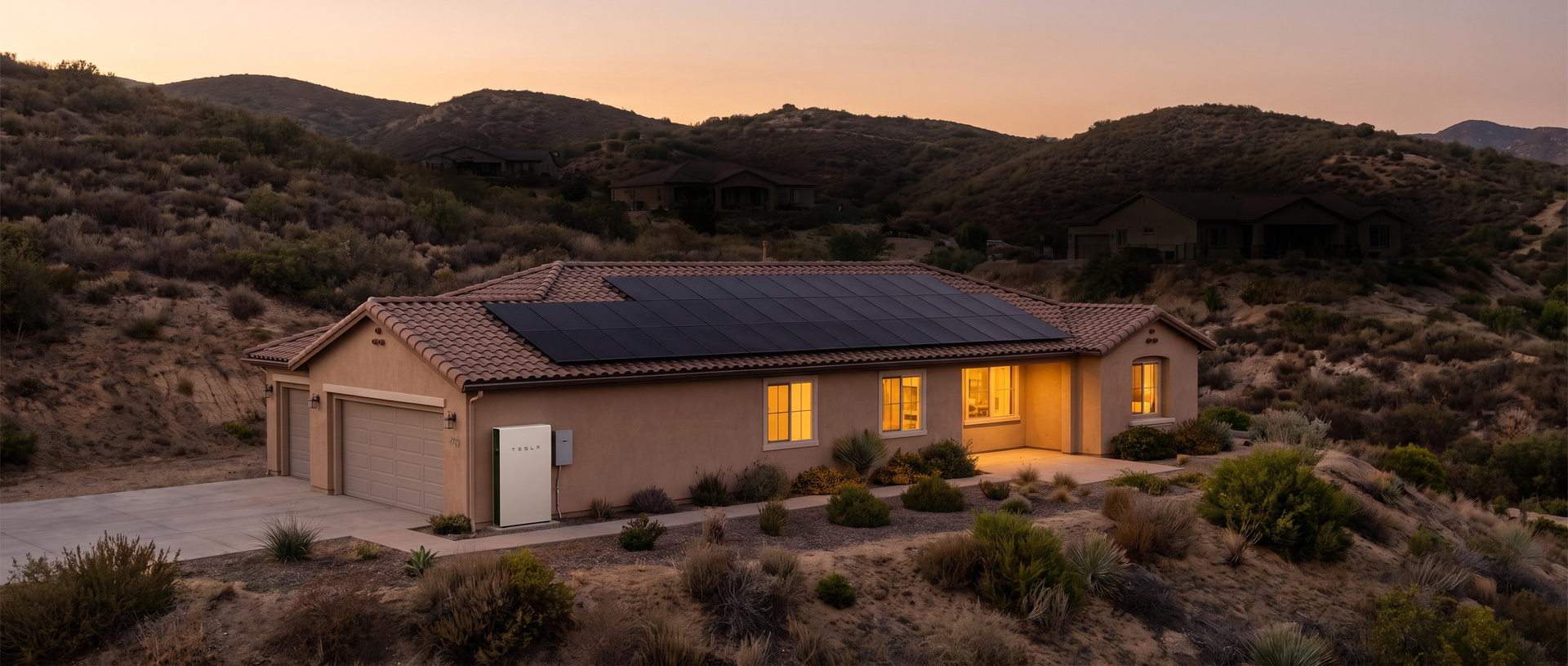
A properly designed solar installation in San Diego should provide decades of reliable performance, lower utility costs, and greater energy independence. However, achieving those benefits requires careful planning, quality equipment, and experienced installation professionals.
For Southern California homeowners considering residential solar, partnering with an experienced contractor that handles engineering, roofing, electrical work, permitting, installation, and long-term support can help ensure a smooth process and a system built to perform for years to come.