As electric vehicles (EVs) continue to gain traction across California, more homeowners in San Diego are asking a critical question:
How can I power my EV with solar energy at home?
The answer lies in integrating your EV charger with a properly designed solar energy system—an approach that maximizes savings, boosts energy independence, and aligns perfectly with California’s push toward clean energy.
In this guide, we’ll break down how
EV charger installation in San Diego works, how solar plays a role, and what homeowners need to know before getting started.
Why Pair Solar with a Home EV Charger?
Installing a home EV charger is already a smart move—but combining it with solar takes it to another level.
With a Level 2 home charger, you can add
25–45+ miles of range per hour, making overnight charging fast and convenient.
When solar is added to the equation, the benefits multiply:
- Lower fuel costs: Charge your vehicle using energy you generate yourself
- Reduced reliance on the grid: Avoid rising electricity rates
- Maximized solar usage: Use excess daytime production instead of exporting it
- Environmental impact: Reduce your carbon footprint significantly
For San Diego homeowners dealing with time-of-use (TOU) utility rates, this integration can dramatically reduce long-term energy expenses.
Understanding the “Solar + EV Charging” Setup
A fully integrated system isn’t just panels and a charger—it’s a coordinated energy ecosystem.
1. Solar Panel System
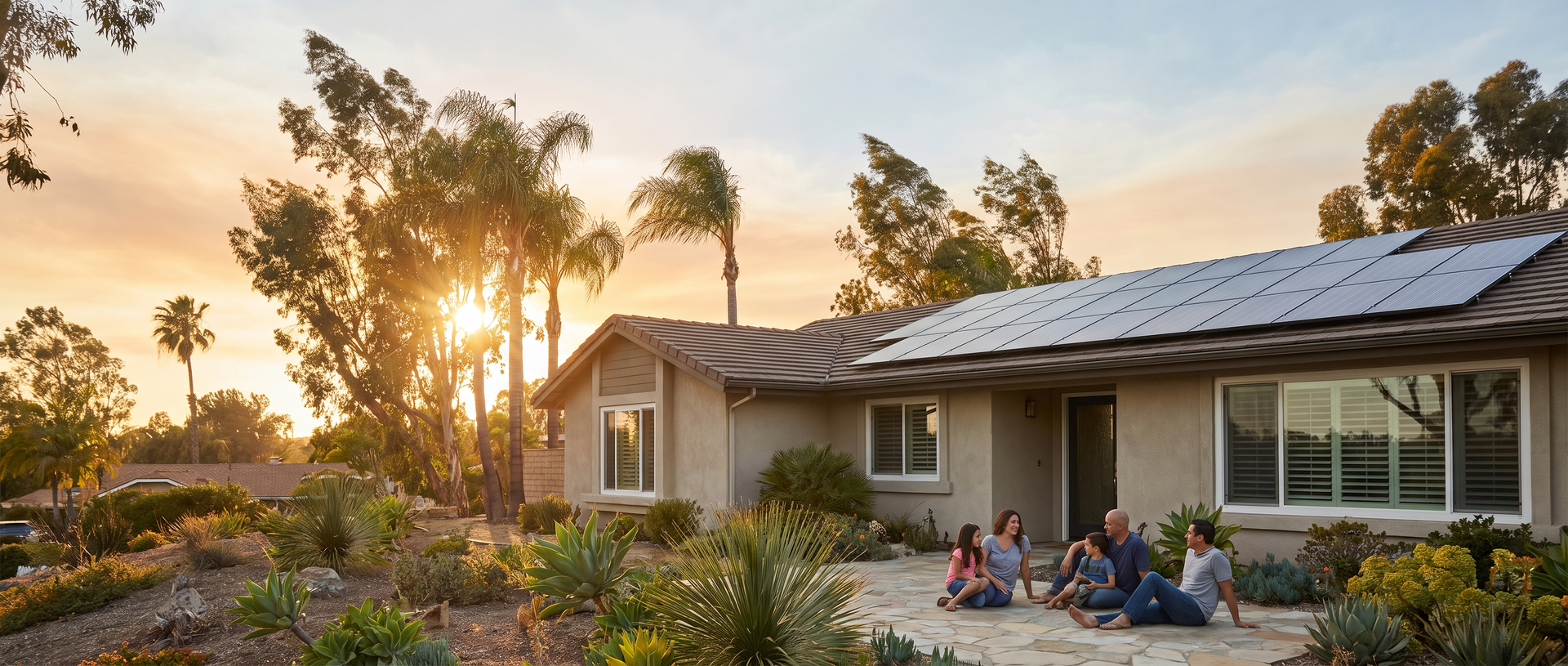
Your solar array generates electricity during the day. In San Diego’s sunny climate, this is your primary energy source.
2. Main Electrical Panel
Both your solar system and EV charger connect here. Proper load calculations are critical to ensure your panel can handle the added demand.
3. Level 2 EV Charger
A 240V charger is the standard for home EV charging. It requires a dedicated circuit and must comply with California electrical codes.
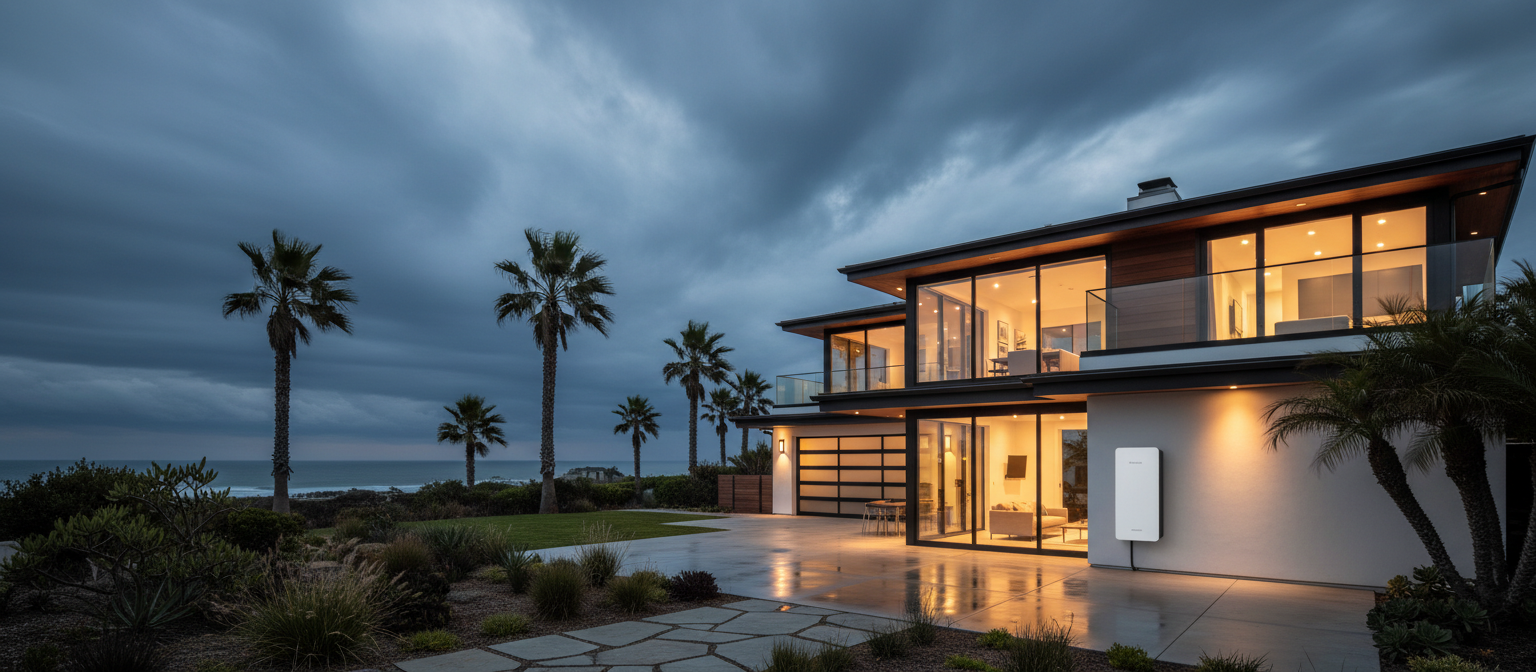
4. Optional Battery Storage
Adding a home battery allows you to:
- Store excess solar energy during the day
- Charge your EV at night using stored power
- Maintain charging capability during outages
5. Smart Energy Management System (EMS)
Advanced systems can automatically:
- Detect excess solar production
- Adjust EV charging speeds in real time
- Prioritize solar over grid usage
This is often referred to as
“solar direct charging”—a key feature for maximizing efficiency.
How Solar EV Charging Works Day-to-Day
In a typical San Diego home:
- Midday: Solar panels produce peak energy
- Afternoon: Excess energy can charge your EV directly
- Evening (4–9 PM peak rates): Battery storage can power your home and EV
- Overnight: EV charging can shift to lower-cost off-peak grid power
Smart chargers and apps can even match your charging schedule to solar production automatically.
Key Considerations Before Installation
Electrical Panel Capacity
Many homes require a panel upgrade or subpanel to support EV charging alongside solar. This is one of the most common hurdles in
EV charger installation in San Diego.
Permits and Code Compliance
California has strict requirements under the California Electrical Code and Title 24 energy standards. Professional installation ensures:
- Proper circuit sizing
- Safe wiring
- Local permit approval
Charger Type and Compatibility
Not all chargers integrate equally with solar systems. Look for:
- Smart chargers with solar tracking
- App-based scheduling and monitoring
- Compatibility with your inverter or battery system
Future-Proofing
If you plan to:
- Add another EV
- Expand your solar system
- Install battery storage later
…it’s best to design your system with scalability in mind from the start.
Incentives for San Diego Homeowners
One of the biggest advantages of installing a
home EV charger with solar in California is access to financial incentives.
You may qualify for:
- Federal tax credits for solar and EV infrastructure
- California state incentives
- Utility rebates (SDG&E programs)
- Financing or leasing options through installers
These programs can significantly reduce upfront costs and improve ROI.
Why Integration Matters More Than Ever in California
California’s evolving energy policies—including time-of-use billing and reduced solar export compensation—make self-consumption more valuable than ever.
Instead of sending excess solar energy back to the grid at lower rates, homeowners can:
- Use that energy to power their EV
- Store it for later use
- Increase overall system efficiency
This shift makes
home EV charger + solar integration not just a luxury—but a strategic investment.
Why Work with a Professional Installer?
A successful system requires more than just installing hardware—it demands precise electrical design and energy planning.
A professional installer like Sunline Energy can:
- Evaluate your home’s electrical capacity
- Design a system tailored to your driving habits
- Integrate solar, battery storage, and EV charging seamlessly
- Ensure full compliance with local codes and permitting
This ensures your system is safe, efficient, and built to deliver long-term savings.
Final Thoughts
For San Diego homeowners, integrating solar with EV charging is one of the smartest ways to take control of energy costs while supporting a cleaner future.
With the right system in place, you can:
- Power your vehicle with sunlight
- Reduce your reliance on utilities
- Maximize your solar investment
As EV adoption continues to rise, homes equipped with solar-integrated charging will be better positioned for both savings and sustainability.