1. Orientation and Tilt Aren’t the Whole Story
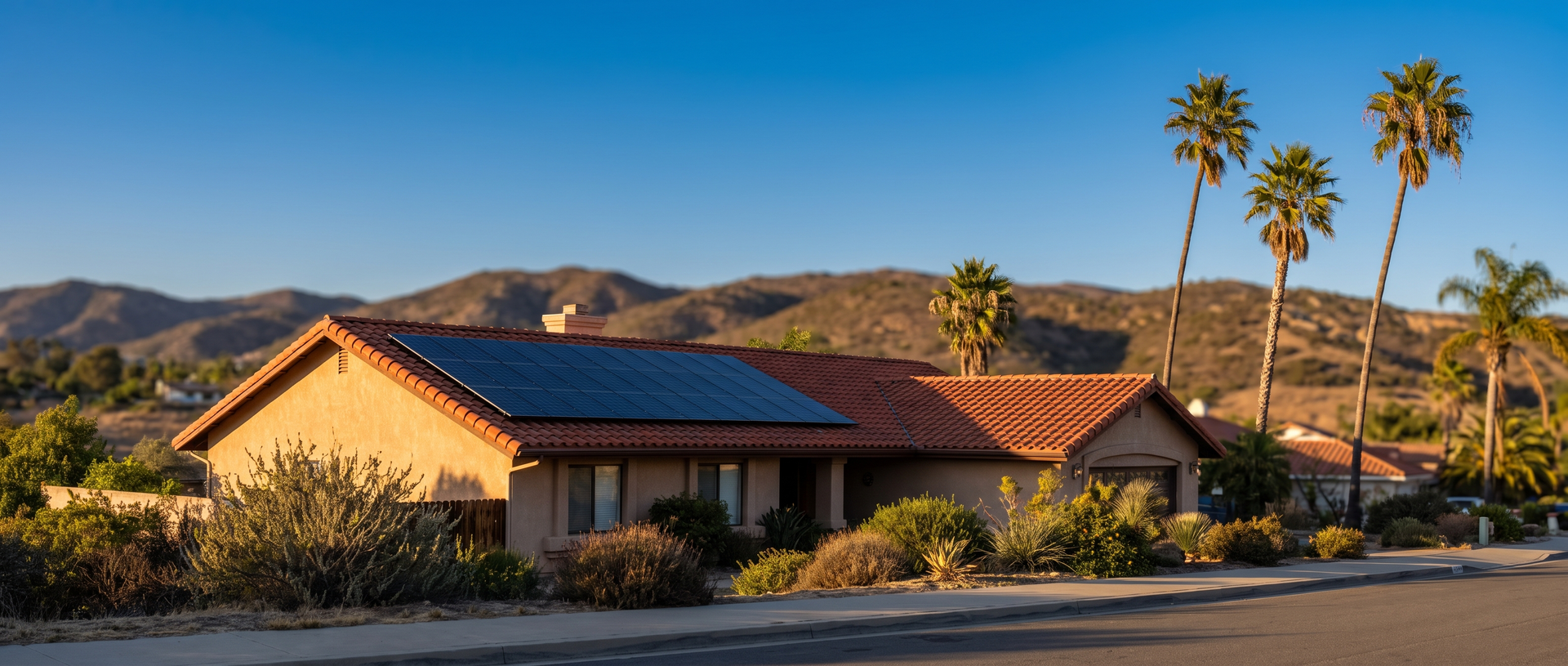
Many San Diego homeowners assume that as long as panels face south, they’ll get peak production. While orientation and tilt are important, microshading, roof geometry, and seasonal sun angles can have a larger impact than most realize.
- Microshading: Small obstructions like chimneys, vent pipes, or nearby trees can reduce output significantly. Even partial shading on one panel can affect an entire string if your system isn’t designed with
microinverters or power optimizers.
- Roof Geometry: Complex rooflines can create hotspots of inefficiency. Placement planning is critical.
- Seasonal Sun Angles: California’s winter sun sits lower in the sky. Panels angled for summer may underperform in winter unless installed with seasonal adjustments in mind.
Tip: Ask your installer about
3D shading analysis and string-level optimization to ensure maximum year-round output.
2. Battery Storage Isn’t Just About Outages
Homeowners often think batteries are only useful during power outages. In reality, battery storage paired with smart solar management can drastically improve economics and efficiency.
- Time-of-Use (TOU) Rate Optimization: San Diego Gas & Electric (SDG&E) charges more for electricity during peak hours. Batteries can store excess solar energy during the day and discharge it in the evening,
reducing utility bills.
- Self-Consumption Maximization: Even without outages, storing your solar energy increases self-consumption and reduces reliance on the grid, particularly in regions with lower net-metering credits.
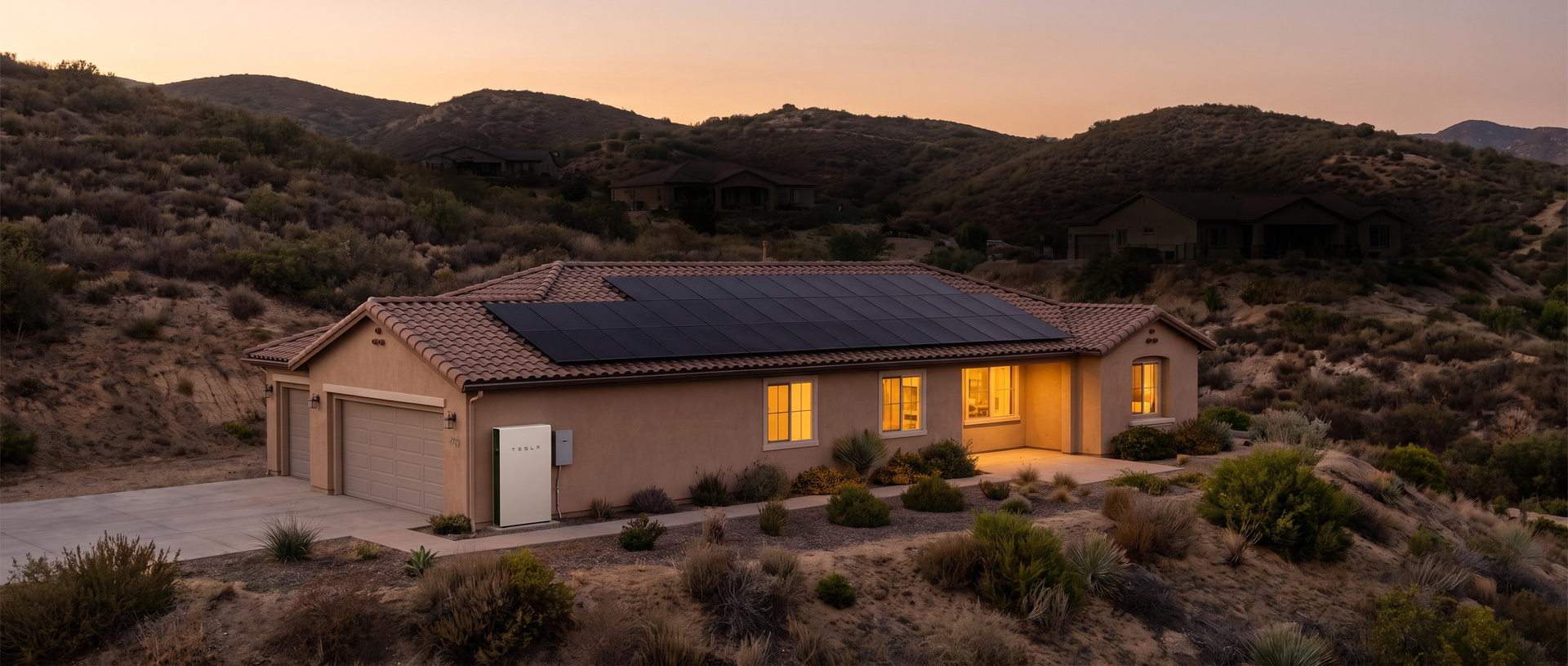
- Grid Independence Prep: A properly sized battery can maintain essential loads during grid interruptions—a growing concern in wildfire-prone areas.
Tip: Work with your installer to model your energy use and battery storage needs; not all batteries are created equal.
3. Panel Efficiency Is Only Part of the Equation
Many homeowners select panels based on efficiency percentage, assuming higher efficiency equals better performance. But system design, inverter selection, and thermal management are equally important.
- Inverter Selection: Central inverters are less efficient in partially shaded or multi-roof systems. Microinverters or string inverters with optimizers often outperform higher-rated panels in real-world conditions.
- Thermal Performance: Solar panels lose efficiency as they heat up. Panels with better thermal coefficients maintain output during
San Diego’s hot summer afternoons.
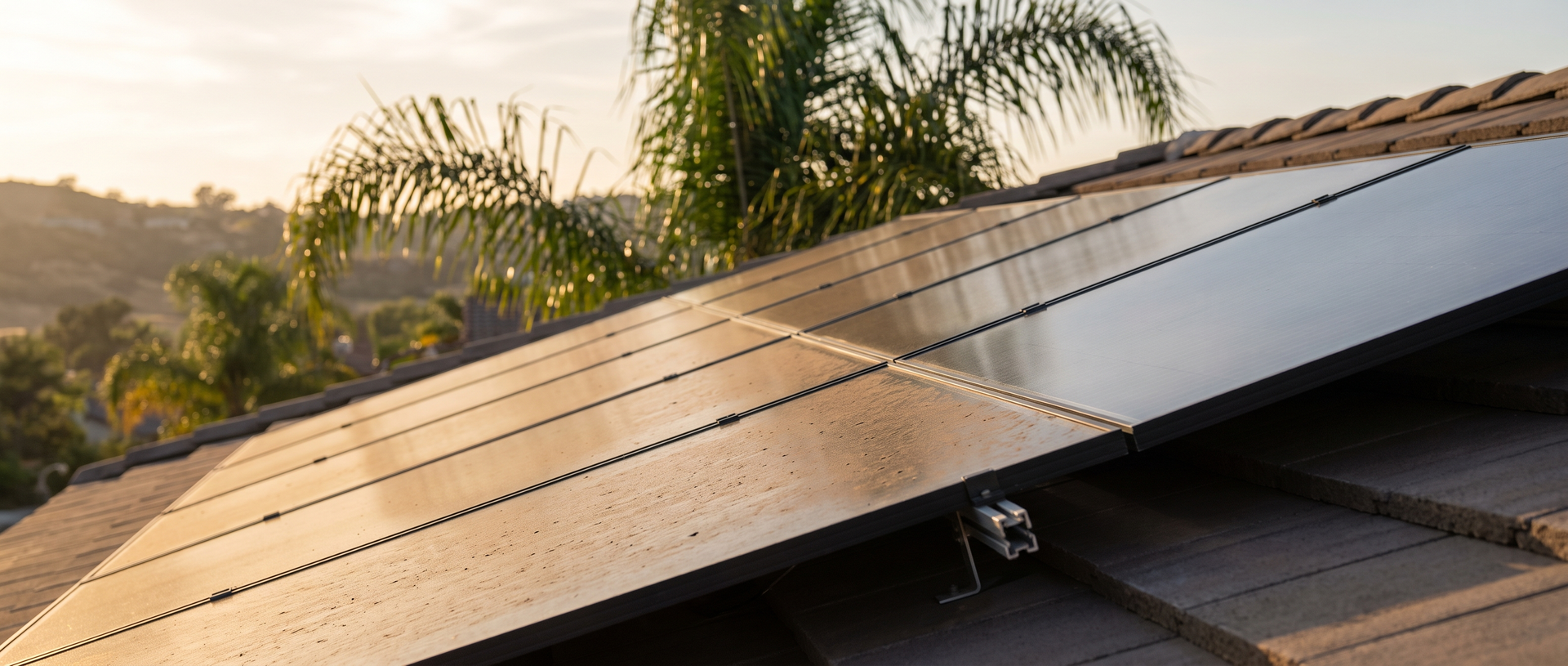
- Maintenance Matters: Even minimal dust, pollen, or bird droppings can reduce performance by 5–10%. Scheduled cleaning ensures consistent output.
Tip: Don’t just compare wattage or efficiency ratings—look at real-world energy production estimates for your roof.
4. Integrating Solar With Home Systems Adds Value
Solar is no longer just about panels on the roof. Smart integration with EV chargers, HVAC systems, and home automation can maximize both savings and convenience.
- EV Charging: Charging your electric vehicle during peak solar production maximizes self-consumption.
- Smart Thermostats: Solar + energy storage allows your home to run heating or cooling based on available solar energy rather than grid demand.
- Load Management: Advanced solar software can prioritize high-energy devices, reducing waste and improving ROI.
Tip: If you’re installing solar now, plan your system with future technology integrations in mind. Retrofitting later can be costly.
5. Monitoring and Analytics Are Game-Changers
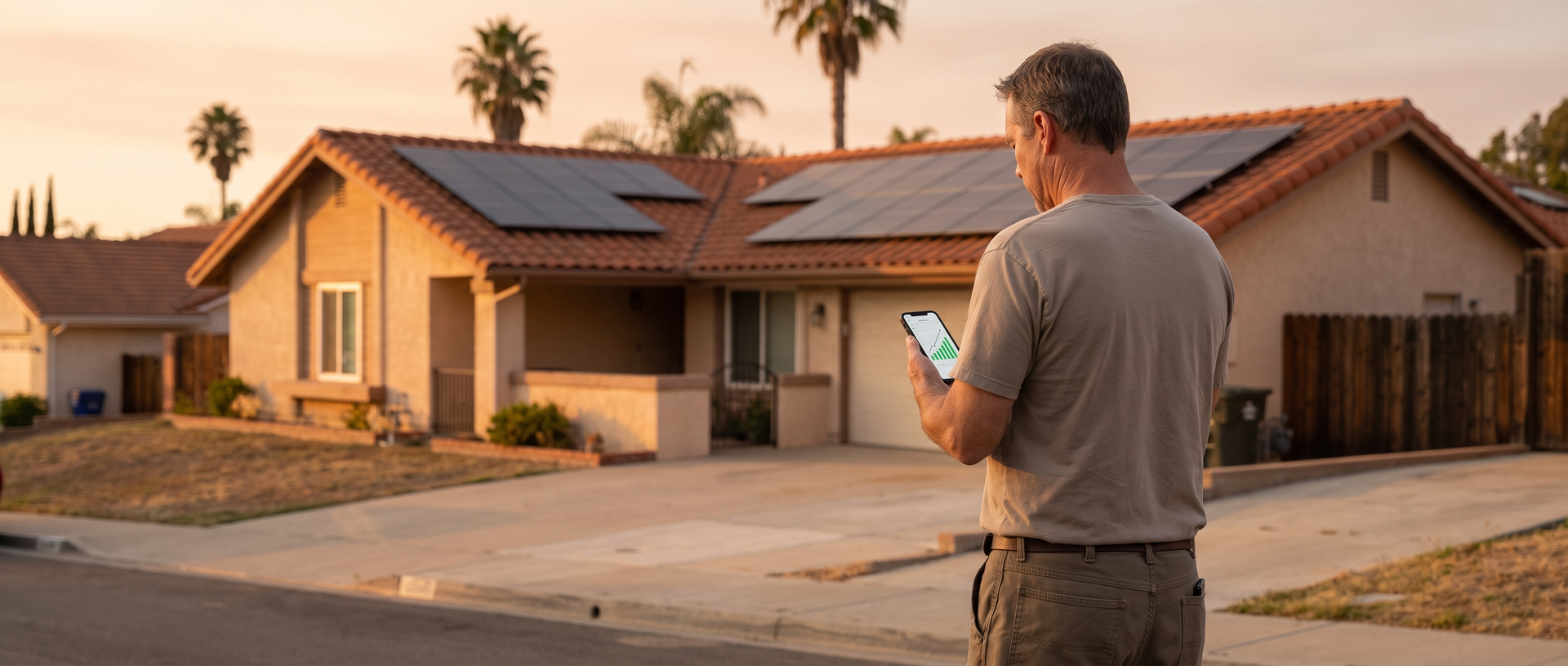
Most residential systems include basic monitoring, but advanced analytics give real-time insights into efficiency, panel health, and ROI.
- Performance Tracking: Detect underperforming panels, inverter issues, or shading problems before they become significant.
- Energy Trends: Understand when and how your household uses energy to make smarter consumption choices.
- Predictive Maintenance: Early alerts can prevent long-term performance loss.
Tip: Ask your installer about platforms that provide granular panel-level analytics, not just system-wide output.
6. Regulatory and Incentive Awareness Matters
San Diego residents can benefit from a range of incentives and programs, but these change frequently:
- California Solar Incentives: From the federal solar tax credit to local rebates, staying informed maximizes savings.
- Net Metering Rules: SDG&E’s time-of-use structure and export limits can affect the best strategy for system sizing and battery use.
- Building Codes: Roof upgrades, permitting, and fire safety regulations are critical for smooth installation and compliance.
Tip: Partner with a local installer like
Sunline Energy who understands San Diego regulations and incentives, ensuring a hassle-free process.
Conclusion
For San Diego homeowners, solar is more than an eco-friendly choice—it’s a long-term investment. But maximizing efficiency, savings, and resilience requires understanding beyond the basics: shading, battery storage strategy, system design, smart home integration, and monitoring.
A professional, locally-focused installer like
Sunline Energy ensures your system isn’t just installed—it’s
optimized for performance and longevity, helping you get the most out of Southern California’s abundant sunshine.