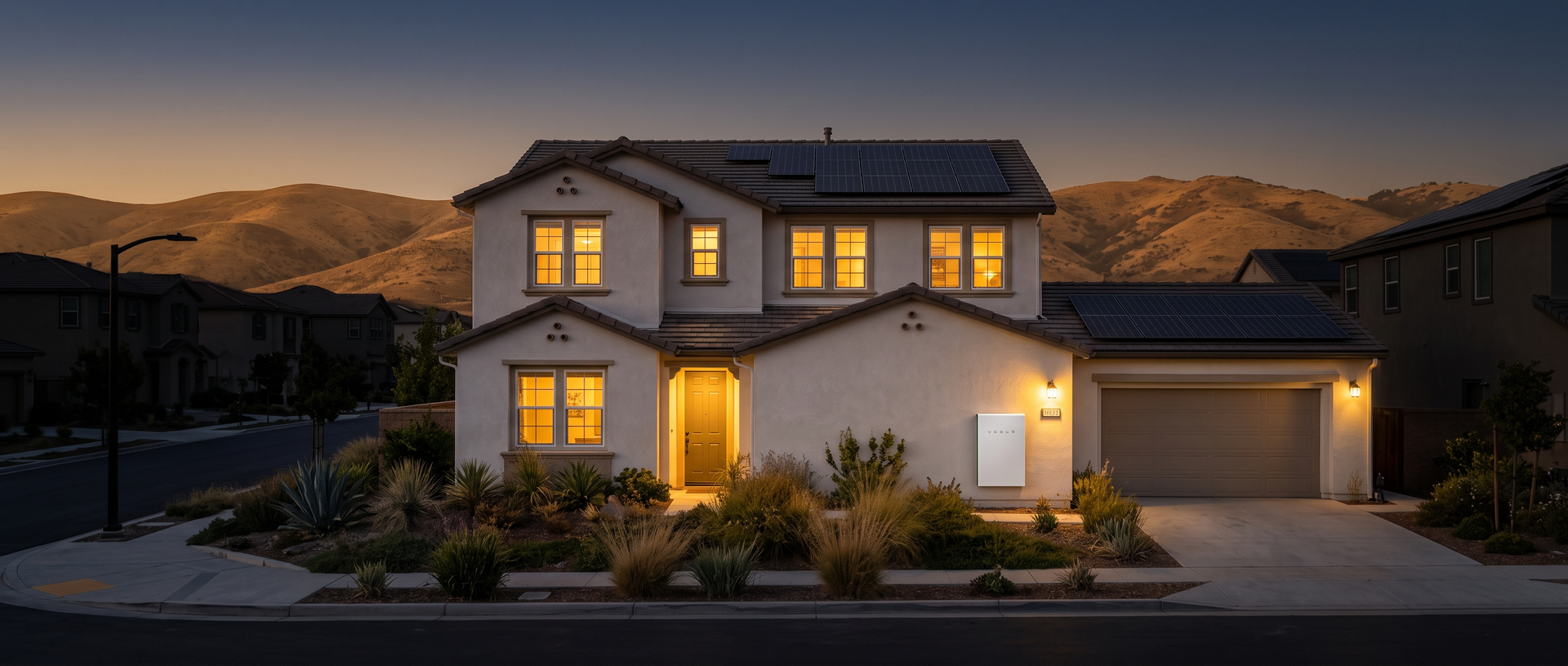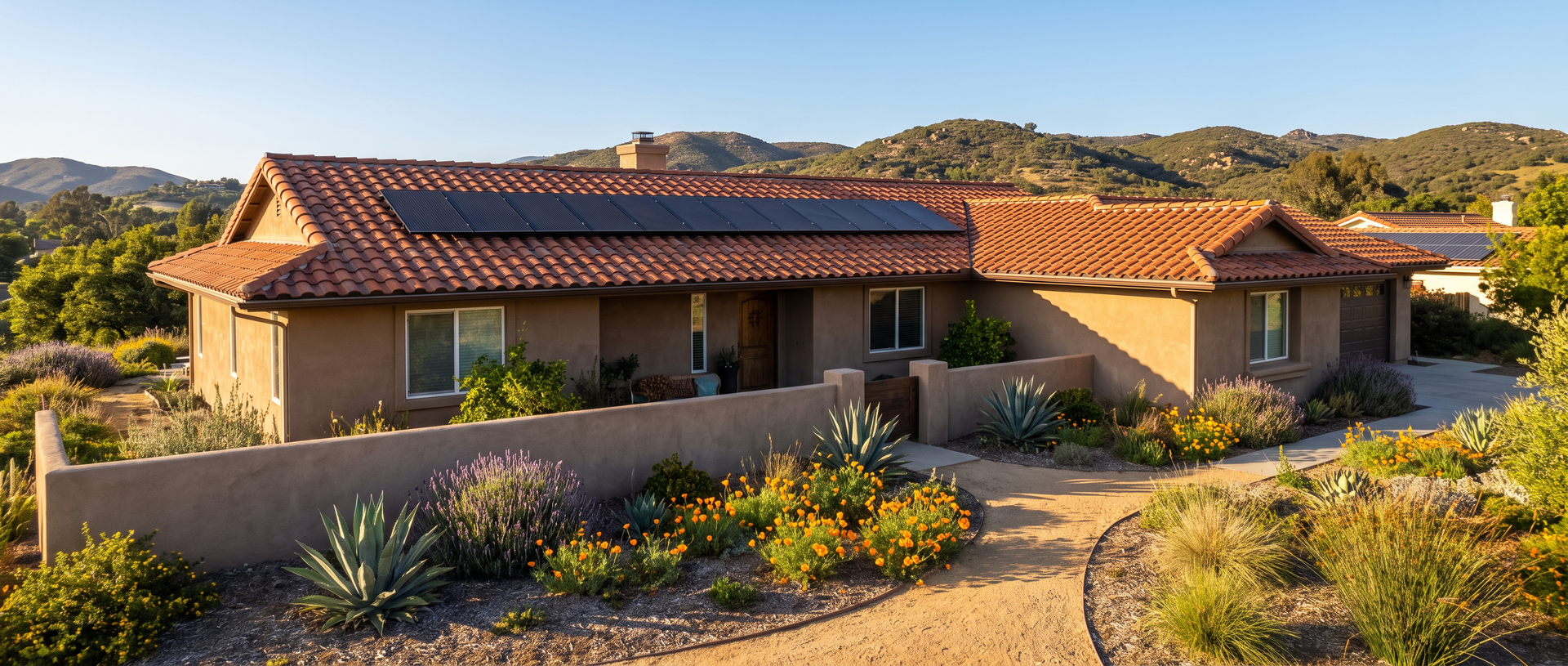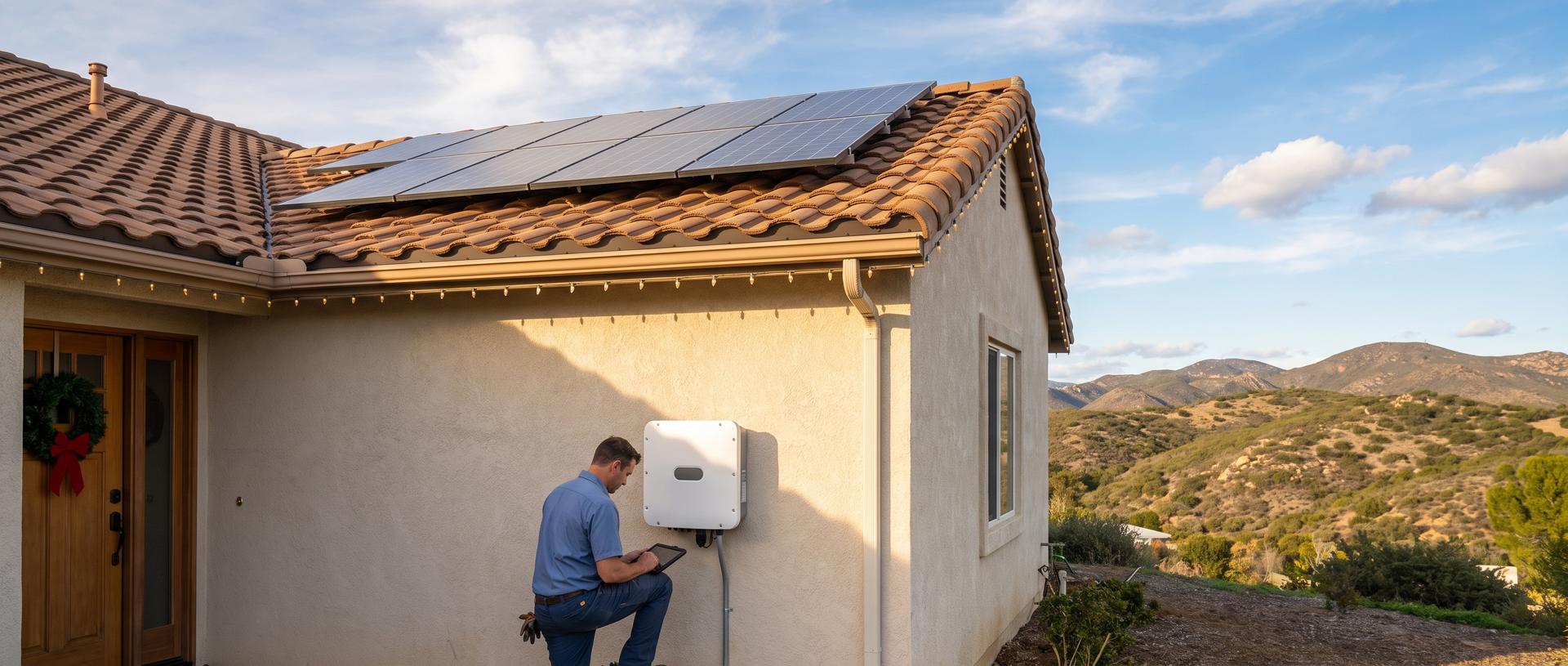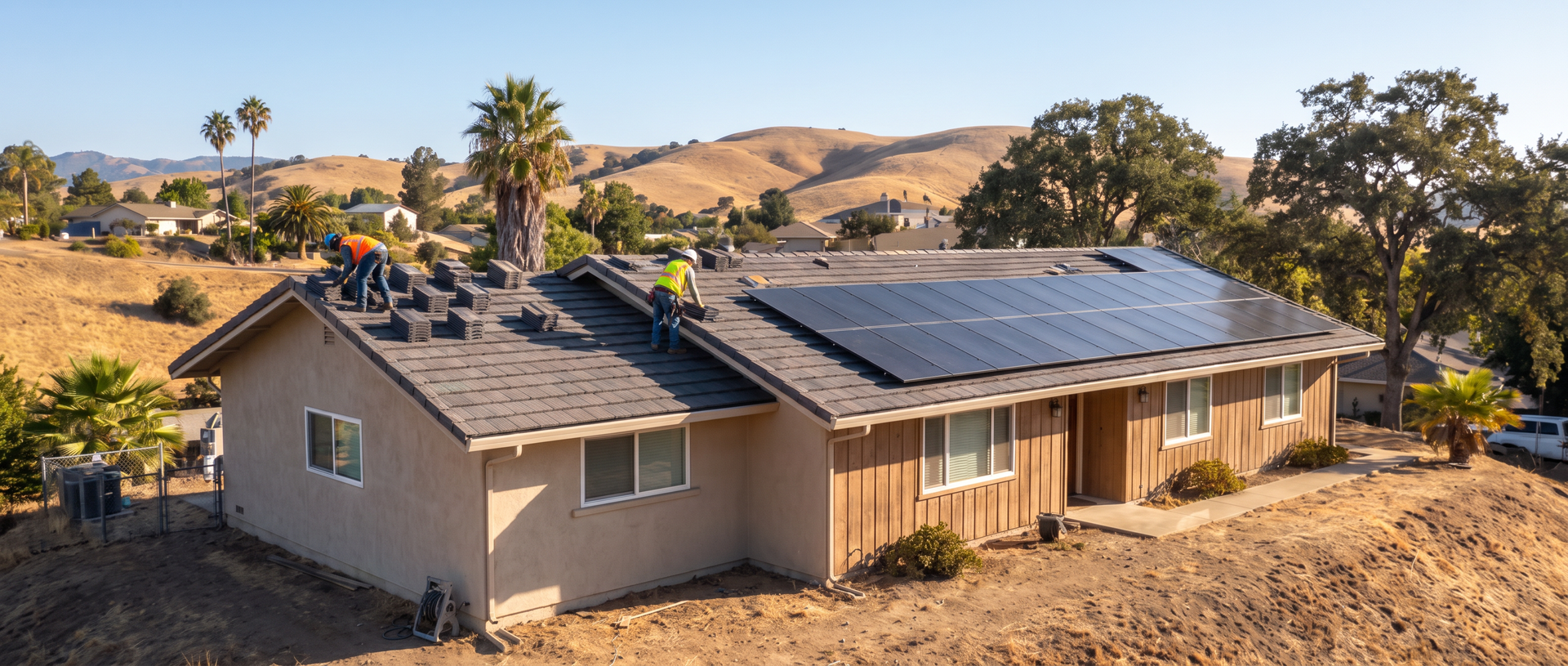

A Santa Ana wind solar checklist matters most right when San Diego's weather turns dry, gusty, and unpredictable. From September through December, offshore winds pick up across the county, and homeowners with rooftop systems start wondering whether their panels, mounts, and wiring are ready for it.
This guide walks through what's worth checking before the gusts arrive, what a wind event actually does to a rooftop system, and when it makes sense to call a professional instead of climbing up yourself.
Which Kind of San Diego Solar Homeowner Are You?
Not every solar household approaches wind season the same way, and that's worth acknowledging before diving into a checklist.
The New Owner had a system installed in the last year or two and hasn't been through a full Santa Ana season yet. Mounting hardware, inverter sounds, and monitoring app alerts still feel unfamiliar.
The Storm-Season Veteran has watched a few wind events roll through Escondido's foothills or Chula Vista's canyon neighborhoods and has a rough sense of what's normal rattling versus what deserves a second look.
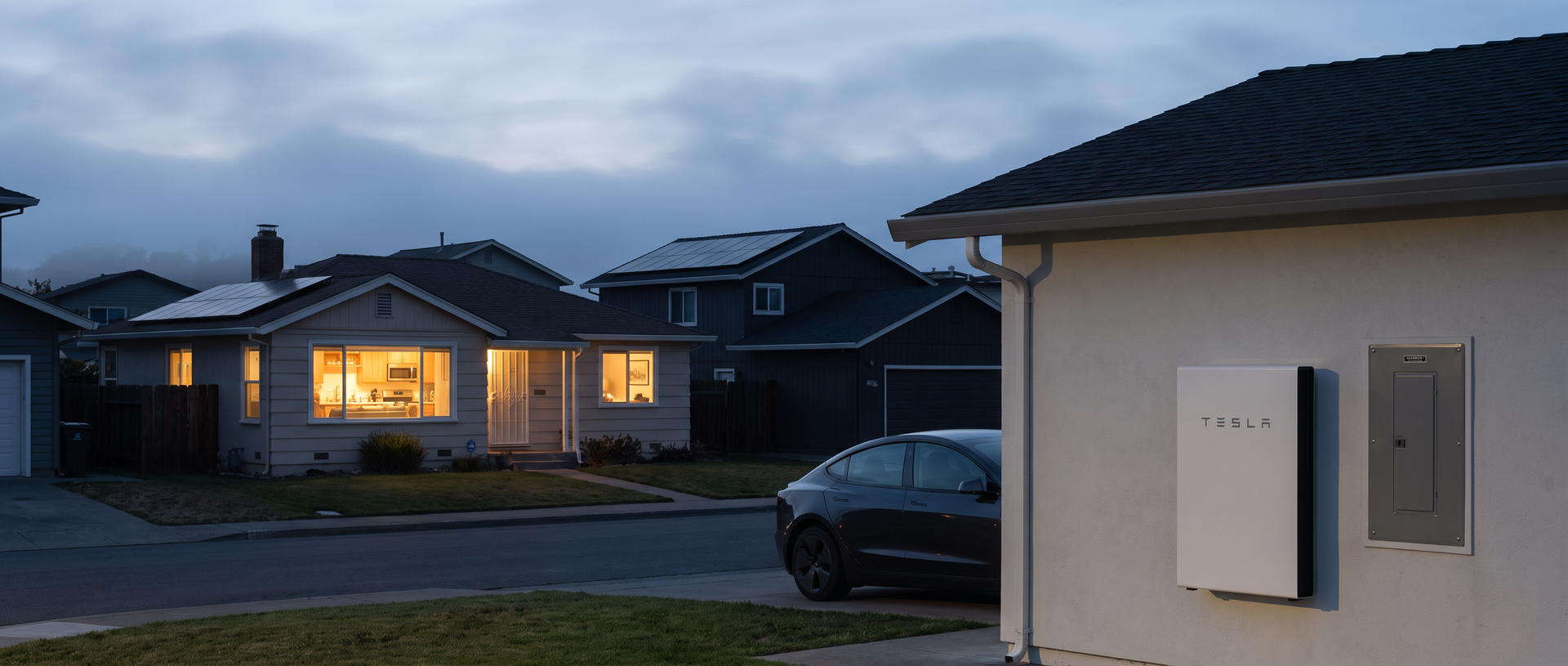
The Battery-Backed Homeowner added storage specifically because Santa Ana season often overlaps with public safety power shutoffs, so panel wind exposure matters less to them than knowing the battery will carry essential circuits.
Wherever you land, the starting point is the same: know your system before the wind tests it. You can review your equipment and installation details anytime on the Sunline Energy homepage.
Matching Your Situation to the Right Pre-Wind Check
A useful solar panel storm prep routine looks different depending on where you live and how your system is set up. Here's a quick way to match your situation to what's worth checking first.
| If You're This Homeowner | Check This | Why It Fits |
|---|---|---|
| New to solar, first wind season | Locate your system's monitoring app and installer contact info | Having it on hand removes guesswork if something looks off |
| Living in a canyon or foothill area (Escondido, inland Chula Vista) | Walk the yard and look for overhanging branches near the array | Wind-driven branches and debris are a common source of panel damage in these areas |
| Battery-backed system owner | Confirm the battery is charged and backup circuits are set correctly | Santa Ana season often brings public safety power shutoffs alongside the wind |
| Noticing a new rattle, hum, or vibration | Note when it happens and how often, then reach out to your provider | A documented pattern helps a technician diagnose it faster |
If you're not sure which category fits, the Sunline Energy support team can walk through your specific setup with you.
What Santa Ana Winds Actually Mean for a San Diego Roof
Santa Ana winds are dry, offshore gusts that tend to hit inland and foothill neighborhoods harder than the coast. A system in Escondido or inland Chula Vista may see stronger, more sustained gusts than a comparable system closer to the water in Oceanside.
The wind itself usually isn't the main risk to a well-installed system. Panels and racking are engineered to handle regional wind loads as part of a proper installation. What tends to cause trouble is what the wind carries with it: loose patio furniture, palm fronds, eucalyptus branches, and dust that settles on the array afterward.
It's also worth remembering that Santa Ana events are frequently dry and low-humidity, which raises wildfire risk in some inland communities. That's part of why utilities sometimes call for public safety power shutoffs during these events, which is a separate issue from wind speed but often arrives at the same time.
What Happens After the Winds Die Down
In the days immediately after a wind event, it's worth a quick visual check from the ground, using binoculars if your roofline isn't easily visible. Look for anything obviously shifted, debris resting on the panels, or wiring that looks disturbed.
Over a full wind season, which in San Diego typically runs from September through December, periodic monitoring through your system's app is the easiest way to catch a gradual dip in performance before it becomes a bigger issue.
Reliability over time comes down to keeping up with routine maintenance and having a provider you can call when something looks unusual, rather than assuming every gust needs a service visit. Most Santa Ana events come and go without incident for a properly installed system, and a quick post-storm glance is typically all that's needed for peace of mind.
Common Questions About Solar Systems and Santa Ana Winds in San Diego
How much wind can a solar panel handle before it's at risk in San Diego?
Panels and mounting systems are engineered by manufacturers to withstand typical regional wind loads as part of a code-compliant installation. Your system's actual wind tolerance depends on your roof pitch, mounting hardware, and installation quality, so a professional inspection is the best way to know where your specific setup stands.
Should I turn off my solar system before a Santa Ana wind event?
Most systems don't need to be shut down for wind alone. Shutdowns are more commonly tied to grid outages, utility safety shutoffs, or a specific concern your installer flags, so check with your provider if you're ever unsure about your particular system.
What should I do if I hear a new noise from my panels during high winds?
Note when the noise happens and how often, then reach out to your solar provider. A rattle or hum during gusty conditions can mean a mount or fastener needs attention, and a documented pattern helps a technician find and fix it faster on a return visit.
Does a home battery help during Santa Ana wind season in San Diego?
A charged battery can keep essential circuits running if Santa Ana winds prompt a public safety power shutoff. That overlap between wind season and shutoff season is one reason many San Diego homeowners pair battery storage with their solar system heading into fall.
Conclusion
A short Santa Ana wind solar checklist, done once before the season ramps up and again after any strong event, is usually all it takes to head into fall with confidence instead of guesswork. If your system was installed properly and you keep an eye on it through the app and the occasional ground-level glance, the wind is far more likely to be a non-event than a problem.
If it's been a while since your last check-in, or you're heading into your first Santa Ana season, the Sunline Energy team can help you get ready, and our referral program is there if a neighbor asks who you'd recommend.