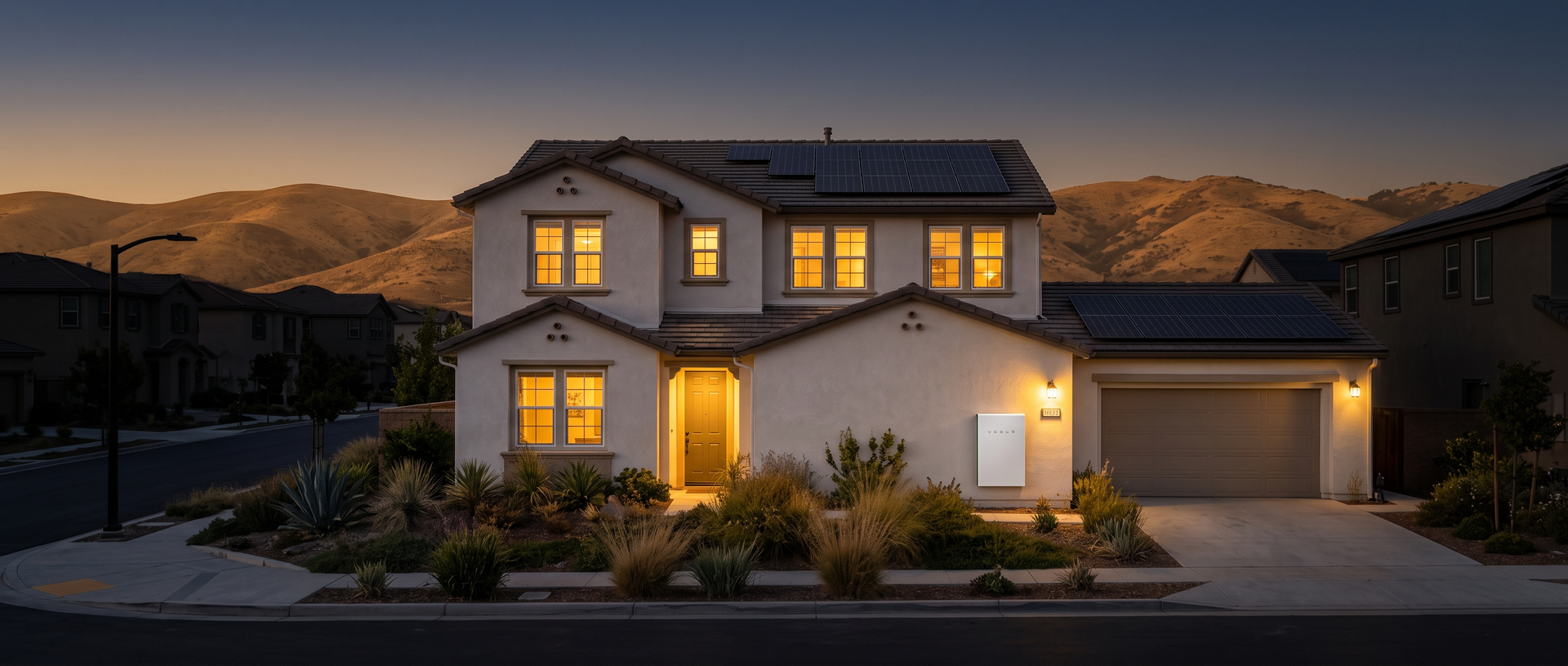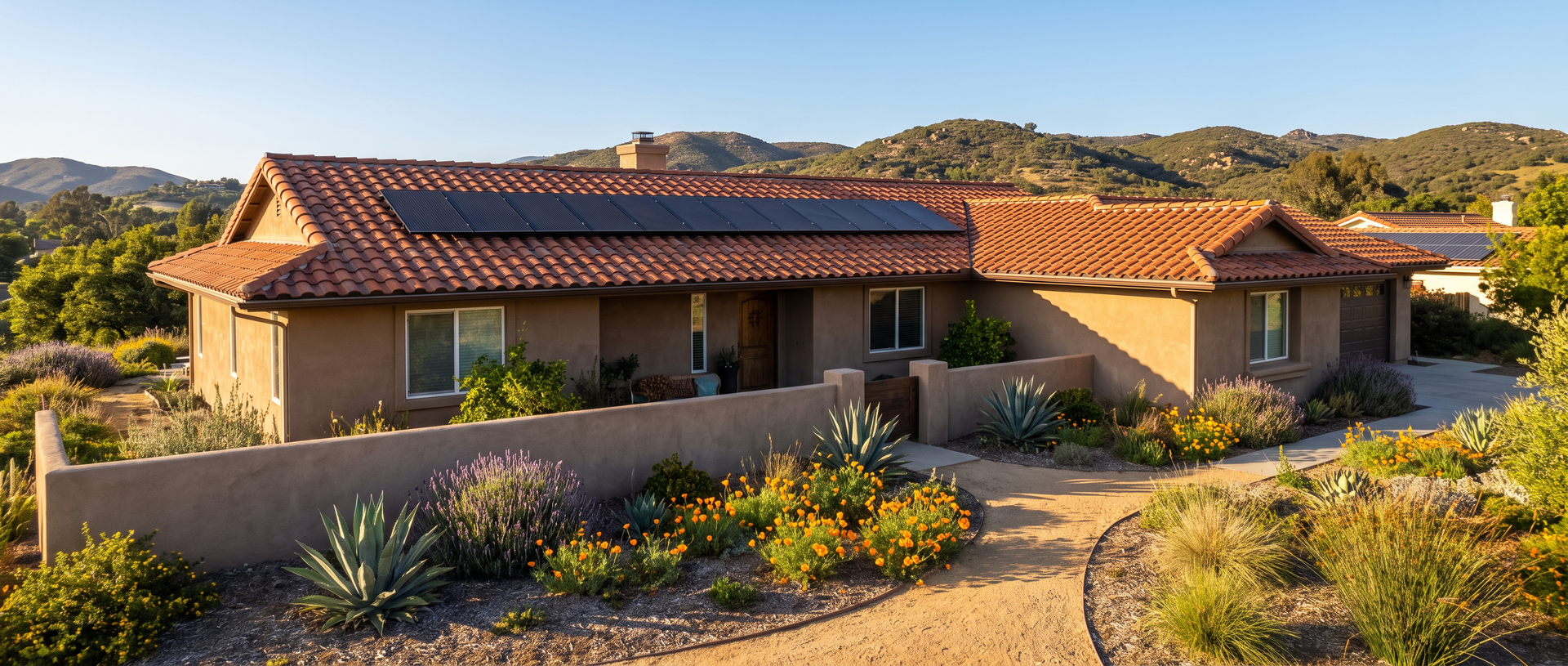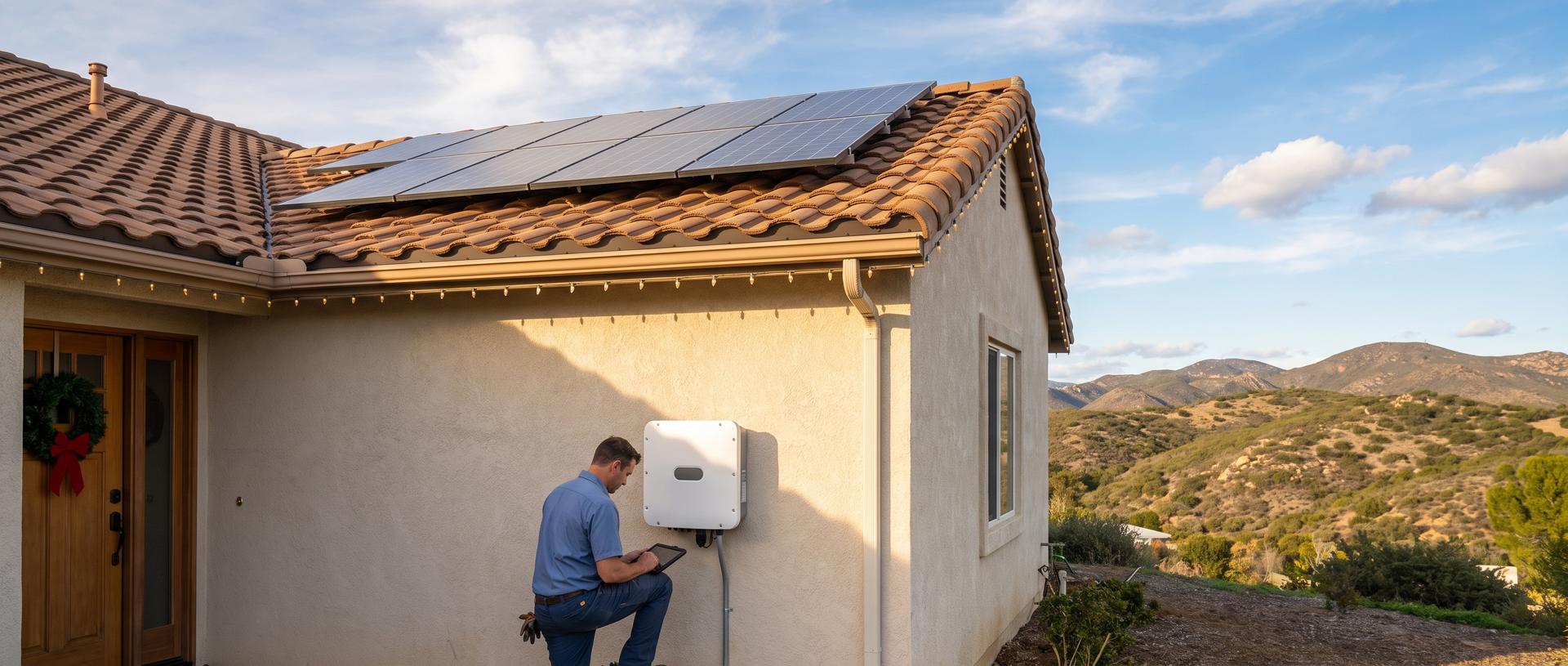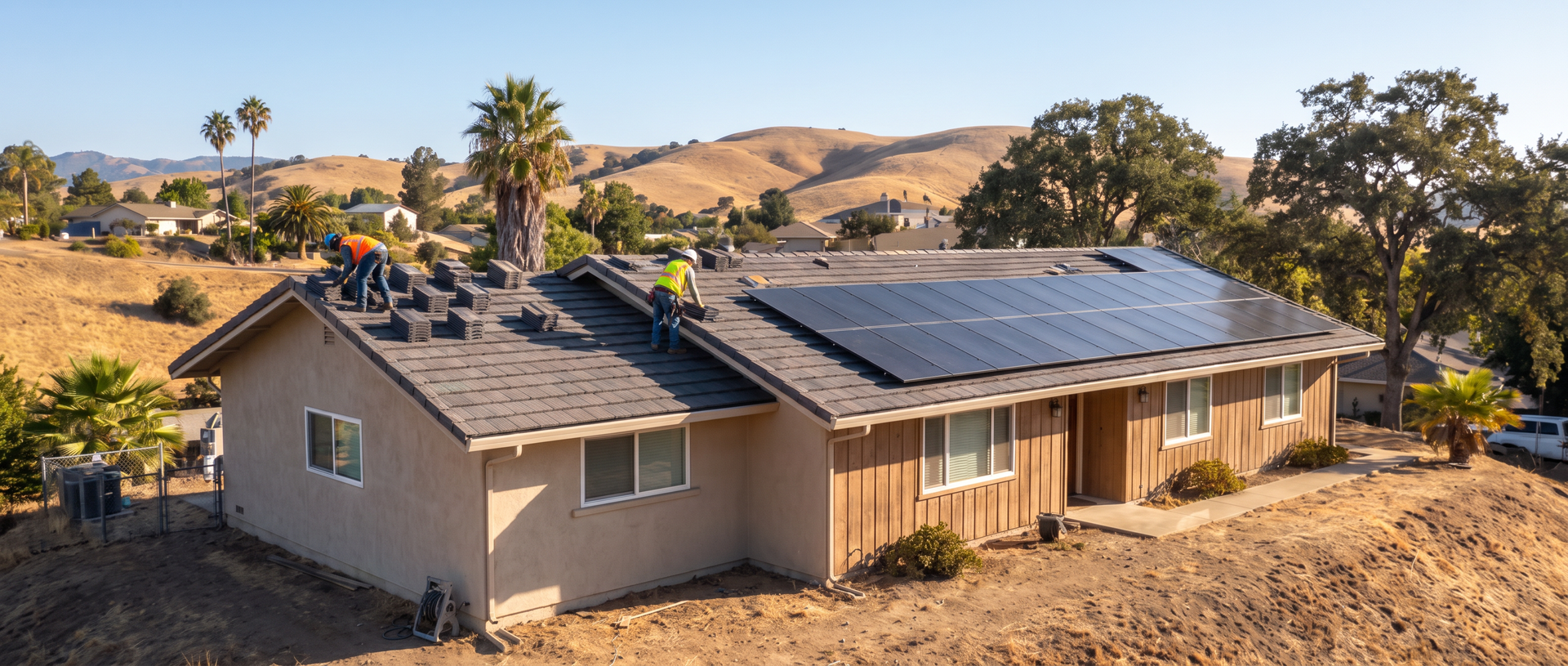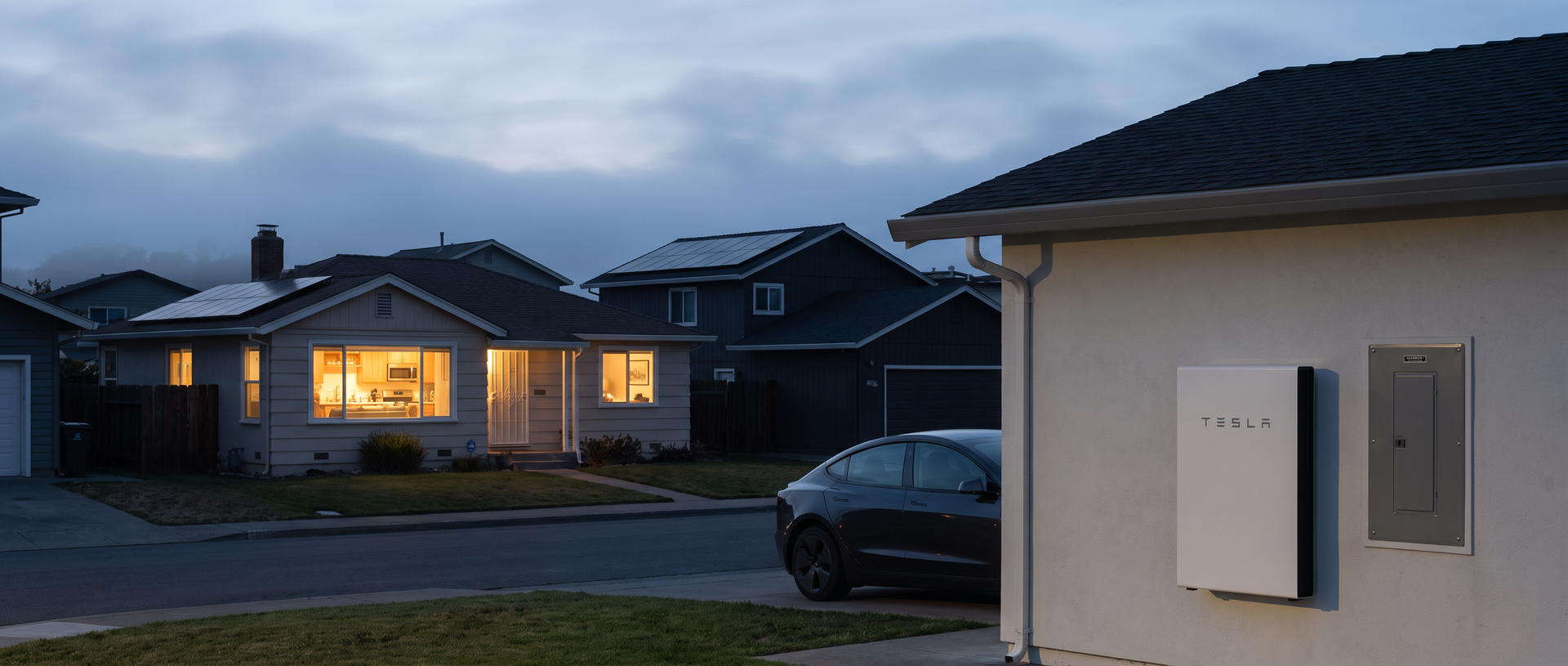

When SDG&E calls a Public Safety Power Shutoff, San Diego homeowners face the same question every wildfire season: Tesla Powerwall or generator? Both keep essential circuits running once the grid goes dark, but they get there in very different ways.
If you're comparing a Powerwall vs. generator setup for San Diego PSPS outages, the right answer usually comes down to how often your area loses power, what you need to keep running, and how hands-on you want to be once the lights go out.
What Kind of San Diego Homeowner Are You?
Not every household experiences a PSPS shutoff the same way, so the right backup solution starts with knowing your own pattern. Inland and backcountry homeowners in places like Ramona, Alpine, and the Escondido foothills tend to see shutoffs more often and for longer stretches, since those areas sit in higher fire-threat zones.
Coastal and urban San Diego residents, along with many homeowners in Chula Vista and Oceanside, usually see shorter, less frequent events, but still want a dependable fallback plan.
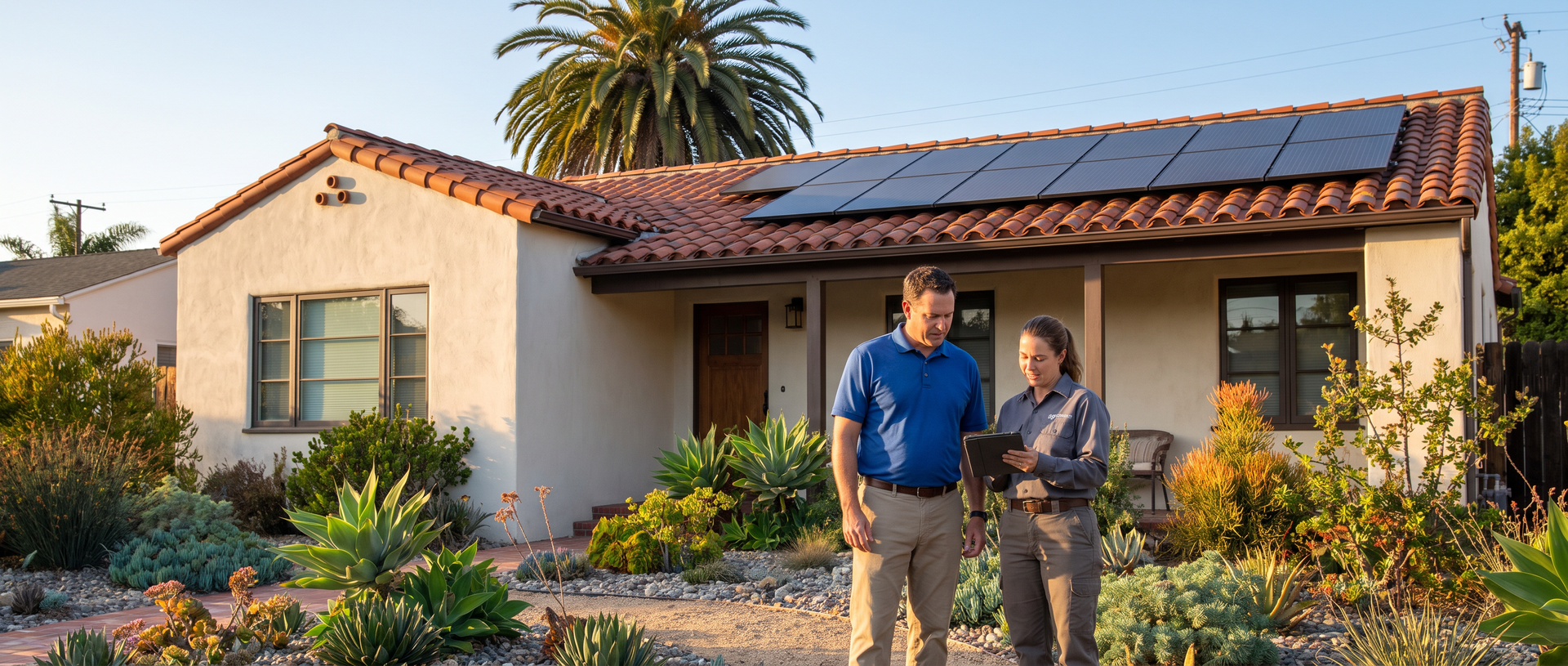
A third group cares less about how often the power goes out and more about what happens when it does. Homeowners running medical equipment, a home office, or a business from the house often need automatic, seamless backup rather than something they start by hand. Sunline Energy's local team walks through each of these patterns during a home assessment to help match the right system to your property.
Matching the Backup to the Outage
Once you know your outage pattern, the choice between a Powerwall and a generator gets a lot clearer. A battery paired with solar recharges itself during daylight hours, which matters most for the multi-day events backcountry areas sometimes see. A generator brings its own strengths too, particularly for homeowners who want a simpler starting point or don't yet have solar on the roof.
| If You're This Buyer | Consider This | Why It Fits |
|---|---|---|
| Frequent, multi-day PSPS events in inland or backcountry areas | Powerwall paired with solar | Recharges itself daily, no fuel runs needed when roads may be affected |
| Occasional short outages, prioritizing a simpler starting point | Portable or standby generator | Straightforward installation path, no existing solar required |
| Medical equipment, remote work, or a home business to protect | Powerwall (single or multiple units) | Switches over automatically and runs quietly |
| No current solar array and not ready to add one | Standby generator | Provides backup power independent of a solar system |
Sunline Energy designs each system around how your household actually uses power, not a one-size-fits-all package.
How Each Option Plays Out on Your Property
San Diego's geography shapes this decision more than people expect. Backcountry communities along corridors like SR-78 and the Sunrise Highway are also where Santa Ana wind events are strongest, which is exactly when PSPS shutoffs and road-closure risk both rise together.
A generator you can't safely refuel because a road is closed isn't much help on day two of an outage. A solar-charged battery sidesteps that problem entirely, since it recharges from the sun rather than a fuel can.
Coastal neighborhoods deal with a different reality: shorter outages, but also a marine layer that can soften solar production on overcast mornings. That doesn't stop a properly sized Powerwall from doing its job, since it draws down gradually and tops back off once the sun breaks through.
What Ownership Actually Looks Like
Every backup option comes with a maintenance reality, not just an install day. A generator needs stored fuel, periodic test runs, and attention to exhaust placement and carbon monoxide safety. A Powerwall skips the fuel entirely, but it does rely on a working solar system and a home network connection for remote monitoring.
Month one usually means learning how the system behaves during a real outage. By year three, most homeowners have settled into a routine, whether that's checking a fuel gauge before wildfire season or glancing at a monitoring app before a windy weekend. Sunline Energy provides ongoing support after installation, so questions about performance or upkeep don't go unanswered once the crew leaves.
Common Questions About Powerwall vs. Generator Backup in San Diego
Can a Tesla Powerwall run my whole house during a San Diego PSPS outage?
A single Powerwall can typically cover essential circuits like refrigeration, lighting, and internet, while whole-home coverage usually calls for multiple units. A Sunline Energy assessment can size a system to your home's actual electrical load.
How long will a Powerwall last during a multi-day power shutoff?
Runtime depends on your usage and whether the battery is paired with solar. A solar-charged Powerwall can often sustain a home through daytime hours indefinitely, since it recharges each day the sun is out.
Is a generator or a Powerwall better for backcountry areas like Ramona or Alpine?
Backcountry areas tend to see longer, more frequent PSPS events, which is why many homeowners there prefer solar-charged battery backup that doesn't depend on fuel deliveries. A generator can still work well depending on your budget and property setup.
Do I need a permit for a Powerwall or generator installation in San Diego?
Yes, both typically require permitting, inspection, and utility interconnection paperwork with SDG&E. Requirements vary by jurisdiction, so confirm the specifics for your address before scheduling installation.
Finding Your Fit Before the Next Shutoff
There isn't a single right answer for every San Diego home, only the one that fits your outage pattern and your household's needs. If your property sits in a backcountry fire zone, a solar-charged Powerwall likely earns its keep. If you want a more occasional backup with a simpler starting point, a generator may make more sense.
Either way, Sunline Energy can walk you through the decision. If a neighbor is weighing the same choice, ask about Sunline Energy's referral program too.